Get in Touch with MACY-PAN Company

Soft-Shell & Mild Hyperbaric Chambers (1.3–1.5 ATA)
— Factory-Direct
Five soft-shell models, built to pressure-vessel engineering standards, with the oxygen concentrator included — and an honest accounting of what a mild chamber does and doesn’t do.
A mild hyperbaric chamber, the soft-shell, soft-sided, or inflatable hyperbaric chamber type, is a 1.3–1.5 ATA TPU enclosure used for wellness and recovery, not the 2.0+ ATA clinical hyperbaric oxygen therapy delivered in a rigid medical chamber. MACY-PAN manufactures five soft-shell and mild chamber models direct from our Shanghai pressure-vessel facility, each shipped complete with a 93% oxygen concentrator, an oil-free air compressor, and the same safety-valve stack we build into our hard chambers, with applicable CE files, certified quality management system support, and technical support.
CORE SPECIFICATIONS & CERTIFICATIONS
- [✔] 1.3–1.5 ATA (4–7 psi) mild pressure
- [✔] 5 soft/mild models (Sitting, Lying, Wheelchair)
- [✔] 93% O₂ concentrator included
- [✔] TPU / SGS shell, YKK-sealed
- [✔] 8 built-in safety devices
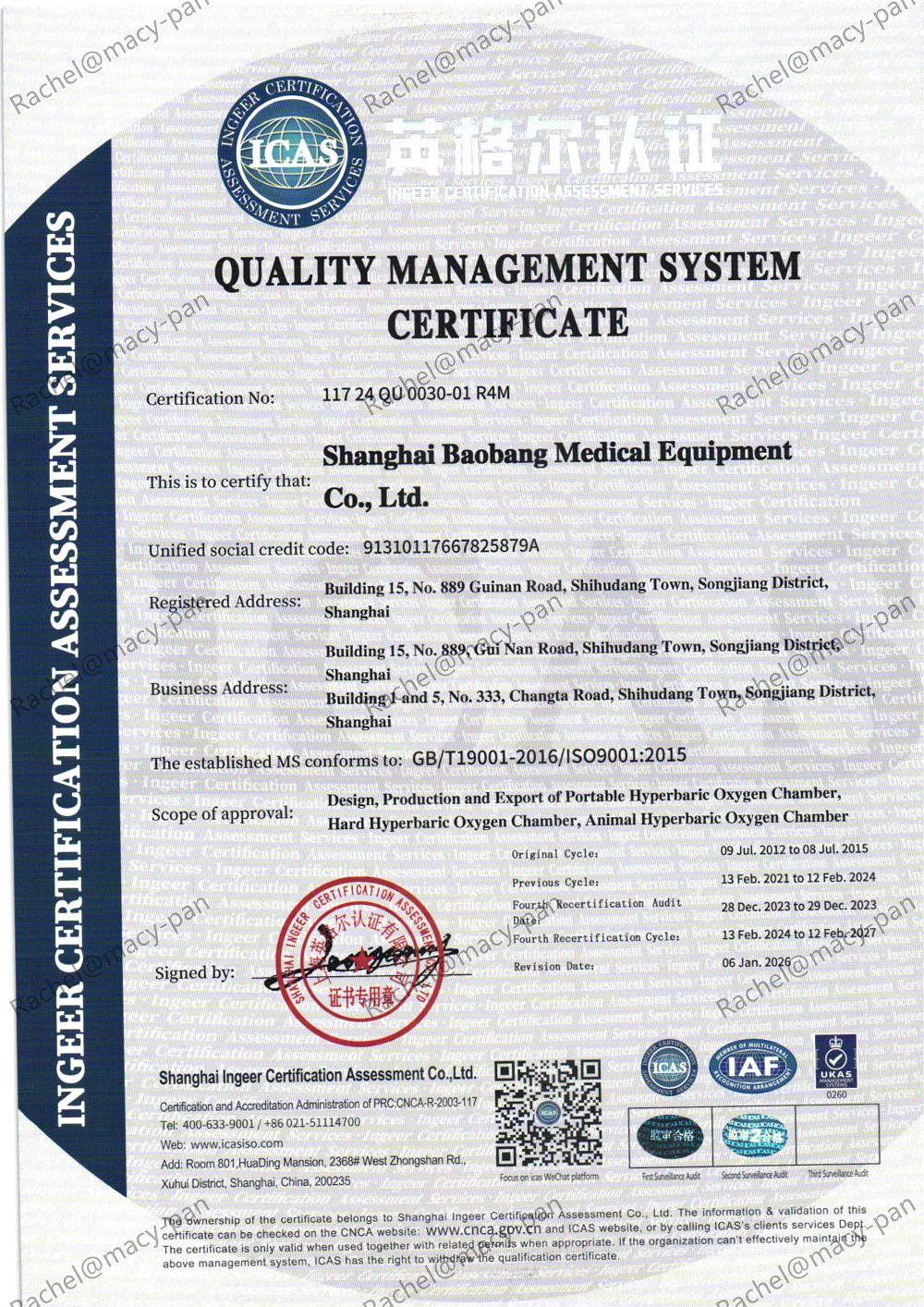
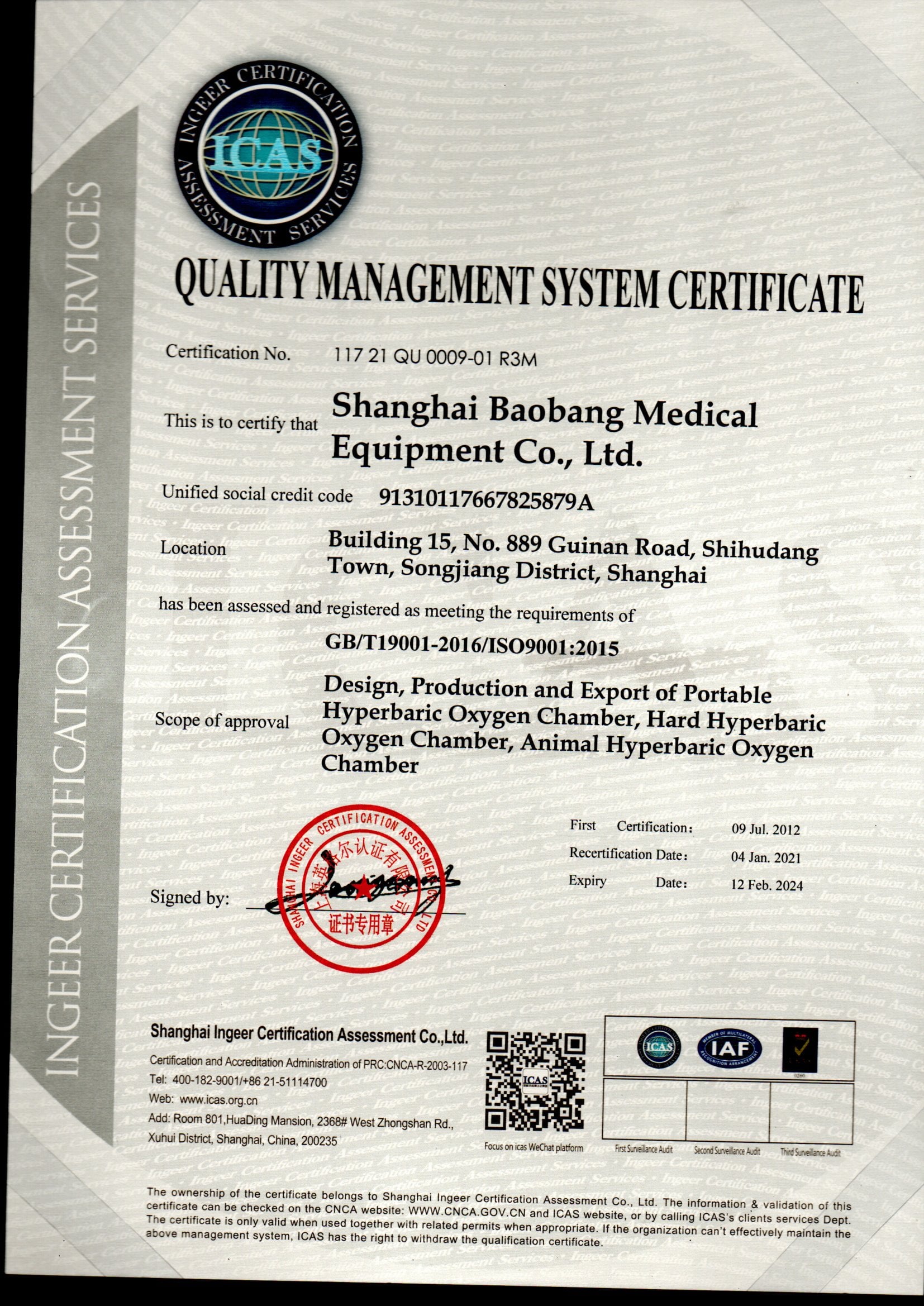
- [✔] CE · certified quality management system · 17-yr factory
⟳ CLICK CARD TO CYCLE

[ CORE_LAYOUT: ST1700 ]

[ CORE_LAYOUT: ST901 ]

[ CORE_LAYOUT: L1 ]

[ CORE_LAYOUT: MULTI ]
Clinical Honesty
What a Soft-Shell / Mild Hyperbaric Chamber Actually Is, the Honest Version
A soft-shell or mild hyperbaric chamber is an inflatable 1.3–1.5 ATA fabric (TPU) enclosure that pressurizes ambient air, usually paired with an oxygen concentrator, for wellness and recovery. It isn’t a 2.0+ ATA clinical hyperbaric oxygen therapy (HBOT) device, and it shouldn’t be sold as one.
Most soft-chamber pages tell you that mild HBOT is the same as what they do in the therapy elite clinics-at a fraction of the price. Here’s the part those pages omit. At 1.3 ATA breathing only the ambient air that the chamber compresses, your inspired oxygen goes from ambient “room air”-about 21% oxygen-to perhaps 24-27% oxygen, which a famously candid wound-care physician once described as what you get from “sitting in [your] living room.” The mere pressure doesn’t make it therapy.
The Actual Mechanism
What changes the math here is the oxygen concentrator. All MACY-PAN soft chambers come with a concentrator, which supplies perhaps 93% oxygen through a mask or headset at 1.3-1.5 ATA; far more than can be achieved by a cannula at sea-level pressure. That is the actual mechanism of a mild chamber: Mild pressure combined with supplemental oxygen that boosts the oxygen level in your bloodstream to support healing and recovery. It is indeed an oxygen-enriching device; per the Undersea & Hyperbaric Medical Society, however, it is not clinical HBOT, which uses much higher pressures-2.0 ATA or more-with near-100% oxygen for the purpose of driving increased oxygen into tissue to facilitate wound healing, among other UHMS-approved indications. Mild 1.3-1.5 ATA chambers are wellness devices, and while U.S. FDA clearance extends to treatment for acute mountain sickness, it does not apply to medical treatment. Because we manufacture at both ends of the spectrum, we have no motive to obfuscate the facts.
Clinical Research Reality
Mild hyperbaric oxygen therapy, often shortened to mild HBOT or mhbot, raises the oxygen in your bloodstream by adding concentrated oxygen to a mild pressure above normal atmospheric pressure, rather than the pure oxygen a clinical chamber delivers. The more pronounced effects addressed by the research of clinical hyperbaric oxygen therapy-the encouragement of stem cell mobilization, neurological recovery, and the ability to reduce inflammation in injured tissue-are tied to 2.0+ ATA pressure with pure oxygen delivered via hard chamber, not mild pressure. Maintaining clarity in that distinction is what protects the buyer from false marketing claims.
MACY-PAN Soft-Shell & Mild Chamber Models, The Full Spec Sheet
The most expensive gaffe you might make in this category is buying a chamber whose specifications remain hidden. Most online retailers will advertise the model name, ATA rating, and price; what they leave out are the specifics on shell material, inner diameter, weight, oxygen delivery, and even the critically important valve stack system that provides safety. We display all of MACY-PAN’s soft and mild chambers with the necessary statistics for effective comparison against criteria such as internal dimensions, accommodation posture, user entry points, and the air handling (flow) from the concentrator. All five employ the same SGS-certified, RoHS-compliant TPU shell specification that utilizes high-frequency welding to avoid glues and YKK zippers for air-tight sealing.
Soft-Chamber Spec Decoder, per-model specifications
| Model | Type / posture | Size L×W×H (cm) | Weight | Pressure (ATA / psi) | O₂ concentrator | Entry / distinctive |
|---|---|---|---|---|---|---|
| L1 | Soft sitting, S, vertical | 140×65×160 | 15 kg | 1.3 / 1.4 / 1.5 (4–7) | 5 L/min | L-zipper; internal metal frame holds shape deflated; smallest footprint |
| ST1700 | Soft sitting, M | 170×70×110 | 17 kg | 1.3 / 1.4 / 1.5 (4–7) | 5 L/min | 3-zipper seal; folding chair; 1-person sit/semi-lie |
| ST2200 | Soft sitting, L | 220×70×110 | 20 kg | 1.3–1.5 (4–7)* | 5 L/min | side-entry zipper; fits adult + child; rated 5+ yr daily use |
| ST801 | Soft lying, M | 225×80×80 | 15 kg | 1.3 / 1.4 / 1.5 (4–7) | 5 / up to 10 L/min @1.5 | 80 cm bore; full-length lying; large windows |
| MC4000 U / N | Soft wheelchair / double sit | 140×130×175 | 22 kg | 1.3 / 1.4 only (4–6) | 5 L/min | U-type or N-type door (MACY-PAN patent); wheelchair access; 2 occupants |
Shared system on every model: 93% oxygen delivered via headset/mask; oil-free quiet air compressor (twin activated-carbon filters, 18 kg); oxygen concentrator (24 kg); optional air cooler (4.5 kg); internal + external pressure gauges; automatic, emergency, manual and air relief valves; one-person operation; 1-year warranty plus lifetime maintenance.
*ST2200’s spec table lists 1.5 ATA as its ceiling, treat 1.5 ATA as maximum.
Engineering note, reading the differences
Three numbers decide most soft-chamber purchases
-
 Pressure ceiling: the ST1700, ST2200, ST801 and L1 reach 1.5 ATA (7 psi); the MC4000 wheelchair cabin is built to 1.4 ATA (6 psi) for its larger volume.
 -
 Oxygen flow: the lying ST801 is the only model whose concentrator steps up to 10 L/min at 1.5 ATA — useful where a higher inspired-oxygen session is the goal.
 -
 Entry: a vertical sitter (L1) suits a small home corner; the wheelchair MC4000, with its patented U-shaped sealed door, is the model for limited-mobility access.
Match the posture and pressure to the user, then size the room.
Soft vs Hard, a Reality Check on Which Pressure You Actually Need
Higher pressure isn’t automatically better; it’s a trade-off you match to the goal. If your aim is general wellness, sports and post-exercise recovery, or daily oxygen-enrichment at home, a 1.3-1.5 ATA soft chamber is the right tool – light, cash-pay friendly, and in most U.S. states operable without a medical license. If you intend to treat the medical conditions covered by clinical hyperbaric oxygen therapy–chronic non-healing wounds, diabetic ulcers and the other indications recognized by UHMS–you need a 2.0 ATA or higher hard-shell chamber on medical-grade oxygen under physician oversight. Selling a mild chamber as that clinical service is exactly the line regulators act on. Use this comparison, built from published standards rather than sales copy, to buy the tier your purpose requires.

MACY-PAN manufactures the full 1.0–2.0 ATA range in one certified quality management system facility, so the same engineer can tell you honestly when a soft chamber fits and when it doesn’t. If your plan is a wellness center or recovery studio rather than a personal unit, our chambers for wellness centers page covers the business and revenue side; for clinical settings, see hard-shell professional-grade chambers.
Technical & Regulatory Specifications
| Factor | Soft / mild 1.3–1.5 ATA | Hard-shell 2.0 ATA (clinical) |
|---|---|---|
| Oxygen delivered | ~24–27% from compressed air; up to ~93% via included concentrator | Near-100% medical-grade oxygen |
| Shell / build | TPU soft shell, inflatable, YKK-sealed | Rigid steel or acrylic pressure vessel |
| FDA status (US) | Cleared for acute mountain sickness only; a wellness device | Used for FDA-recognized HBOT indications |
| Right use | Wellness, sports recovery, home oxygen-enrichment | Physician-supervised clinical HBOT |
| Licensing | Usually none (cash-pay wellness) | Physician oversight; insurance-billable |
| Footprint | ~8 × 4 ft / unit | Dedicated room, 32–38″ doorway |
| Market price band | $4,495–$20,000 | $20,000–$130,000+ |
Pressure & Oxygen Matrix
| Setting | Pressure | Inspired oxygen | What it is for |
|---|---|---|---|
| Room air, sea level | 1.0 ATA | ~21% | baseline |
| Mild chamber, air only | 1.3 ATA (4 psi) | ~24–27% | insufficient on its own |
| Mild chamber + concentrator | 1.3–1.5 ATA | up to ~93% via mask | wellness & recovery |
| Clinical hard chamber | 2.0–3.0 ATA | ~100% | medical HBOT (physician) |
Built Safe, How MACY-PAN Answers the Soft-Chamber Safety Record
Soft chambers are safe when they’re engineered, certified, and operated to standard, and dangerous when they aren’t. The category’s worst incidents trace to uncertified units, exceeded pressure ratings, and unattended use, not to mild pressure itself.
Here is the paragraph the hype pages leave out, and the single most important one here. A hyperbaric chamber is an oxygen-enriched pressure vessel with a person sealed inside, and the soft-chamber market carries a real safety record: the UHMS consumer warning records that “at least one person, a young man in North Carolina, has died from asphyxia” in an unattended mild chamber, a 2009 Florida soft-chamber fire killed a four-year-old and his grandmother, and a 2024 chamber ruptured with its occupant inside. A fire-safety bulletin puts the mechanism plainly: “a power disruption could cause the chambers to deflate, suffocating the person inside.” Eleven U.S. states now mandate ASME compliance for clinical chambers, Health Canada has banned soft-sided bag chambers, and the FDA’s 2025 safety letter warns specifically about fire risk from concentrated oxygen under pressure.
Engineering & Testing Baseline
In nearly every failure the cause is the same: a chamber built without the engineering standard, or used without supervision. That is exactly what we build against. ASME, the FDA-recognized pressure-vessel standard, applies to any vessel holding more than ~2 psi over ambient, which includes a 4–7 psi soft chamber, and we fabricate to it.
- Each MACY-PAN chamber carries eight built-in safety devices, not a single relief valve.
- The TPU shell is SGS-tested and RoHS-compliant.
- Every unit passes a six-stage inspection and a 72-hour aging test before it ships.
- You can read the pressure from a gauge inside the chamber and stop the session yourself.
⟳ SWIPE, CLICK ARROWS OR CARDS TO ROTATE
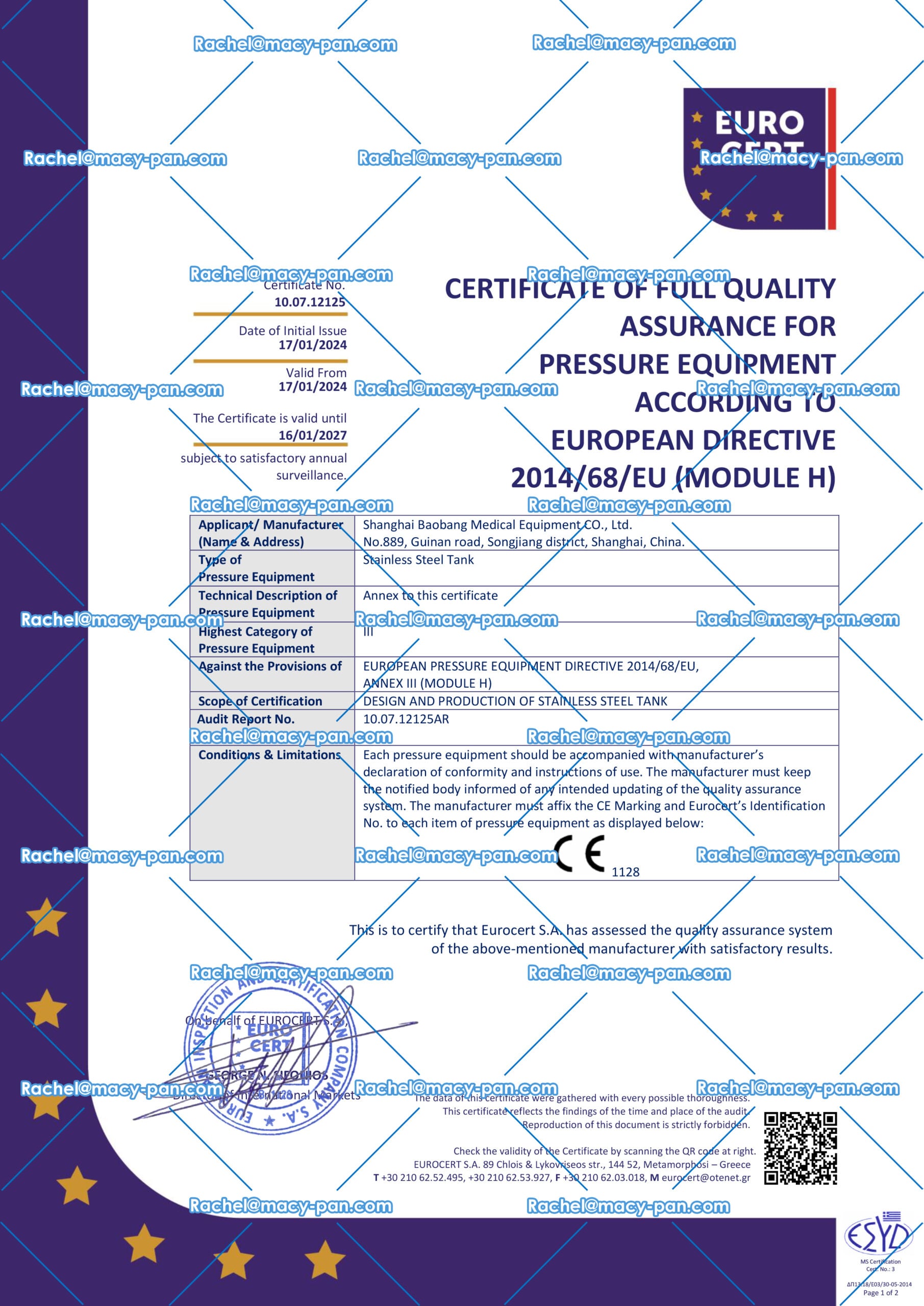
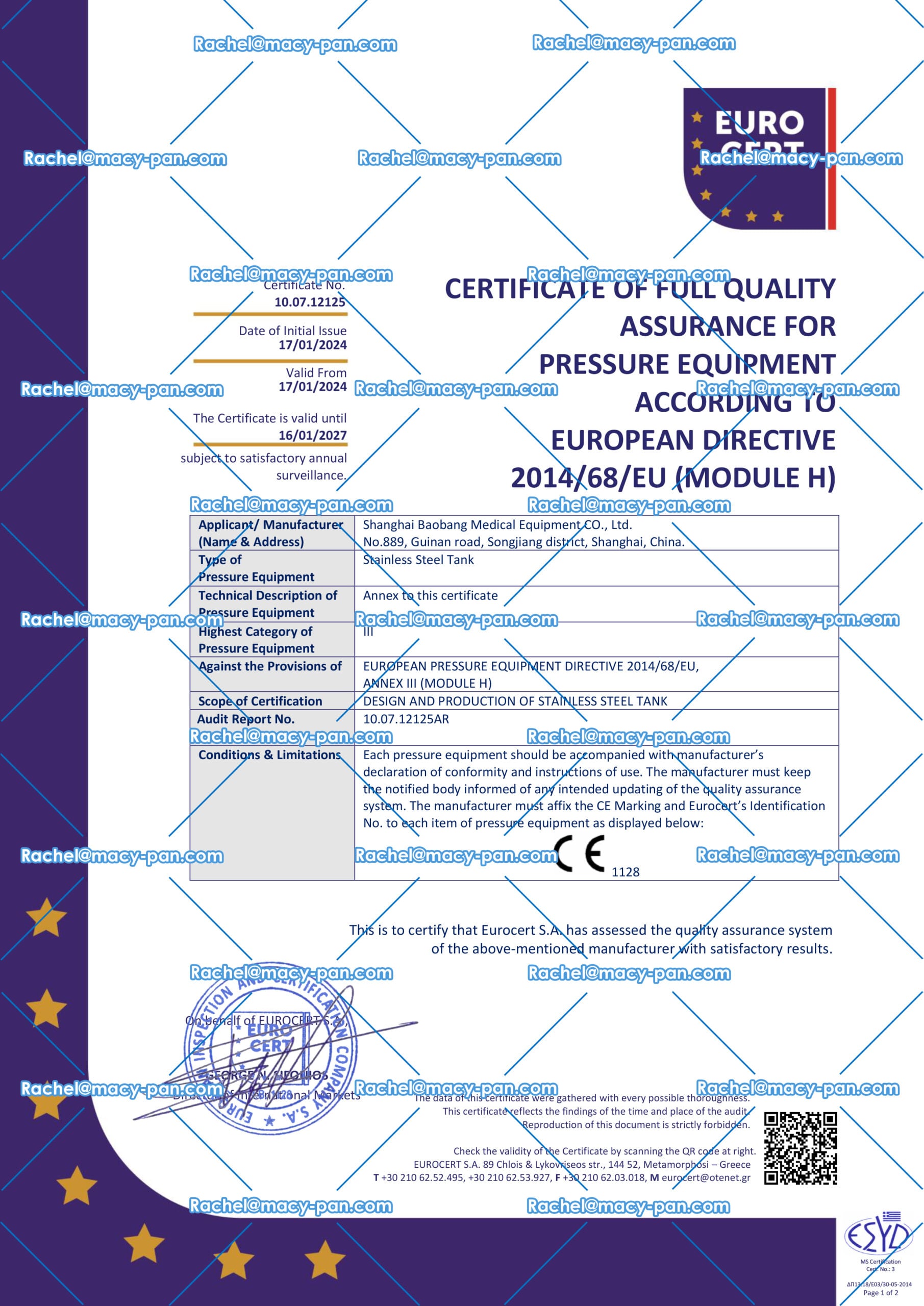
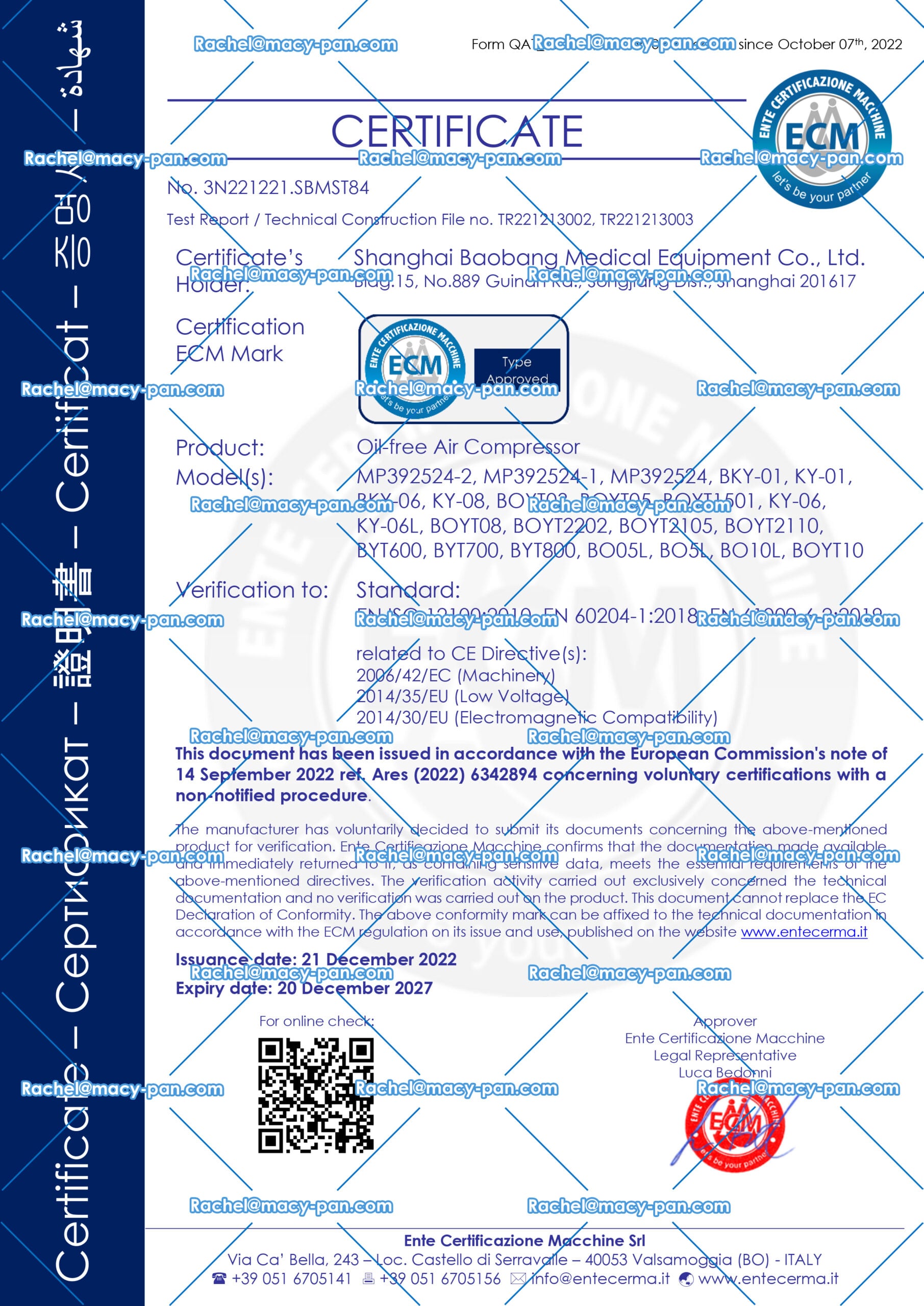
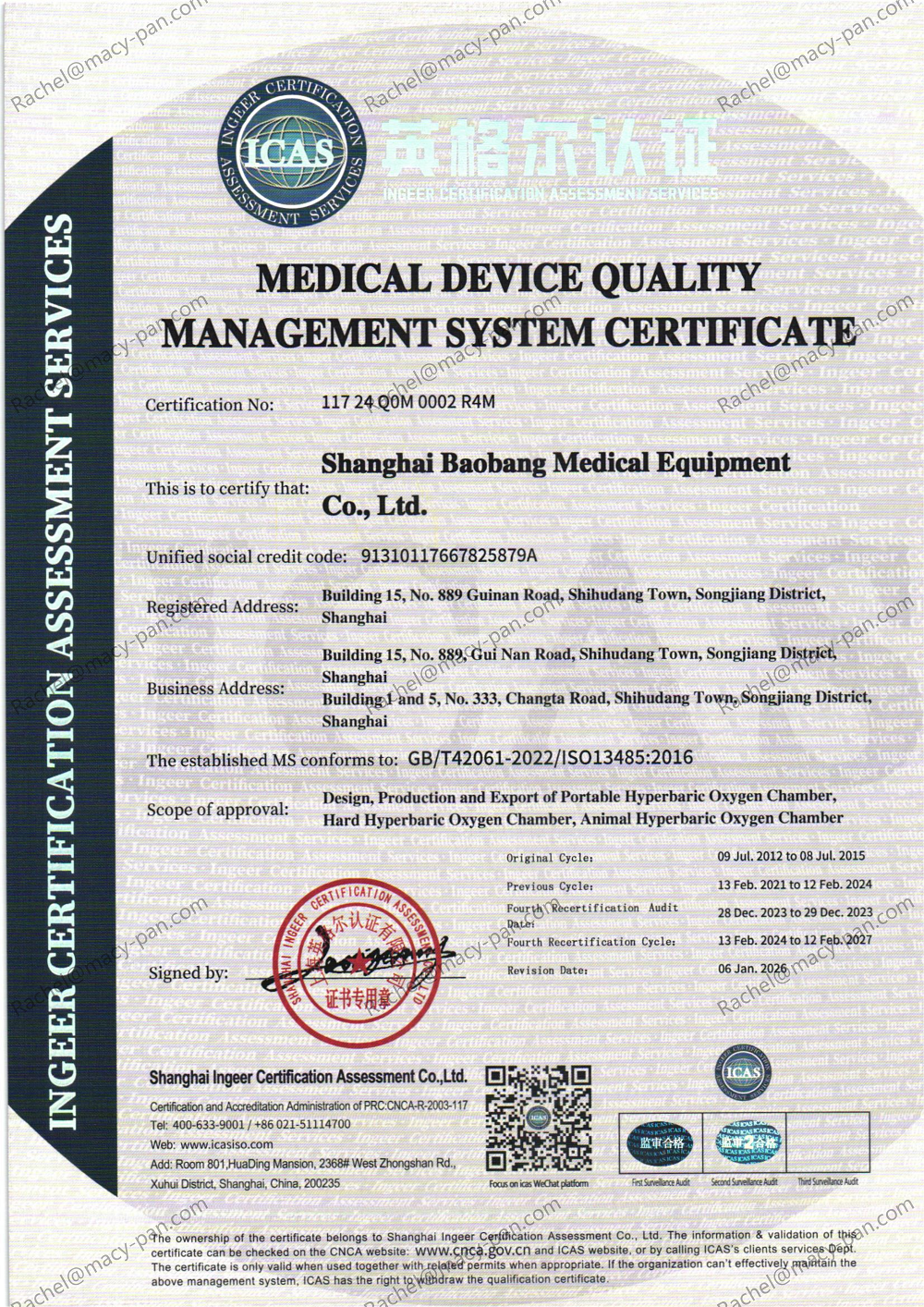
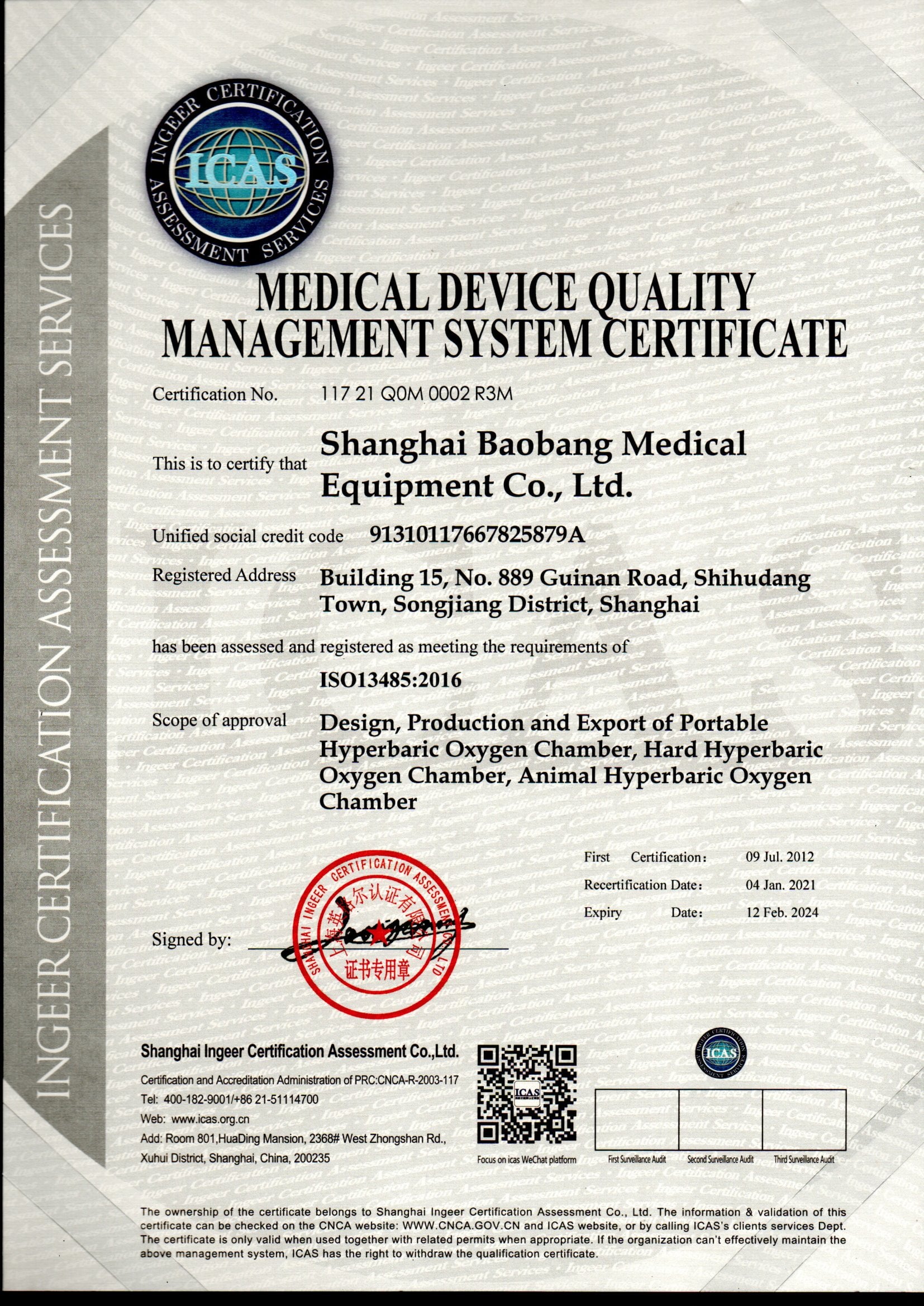

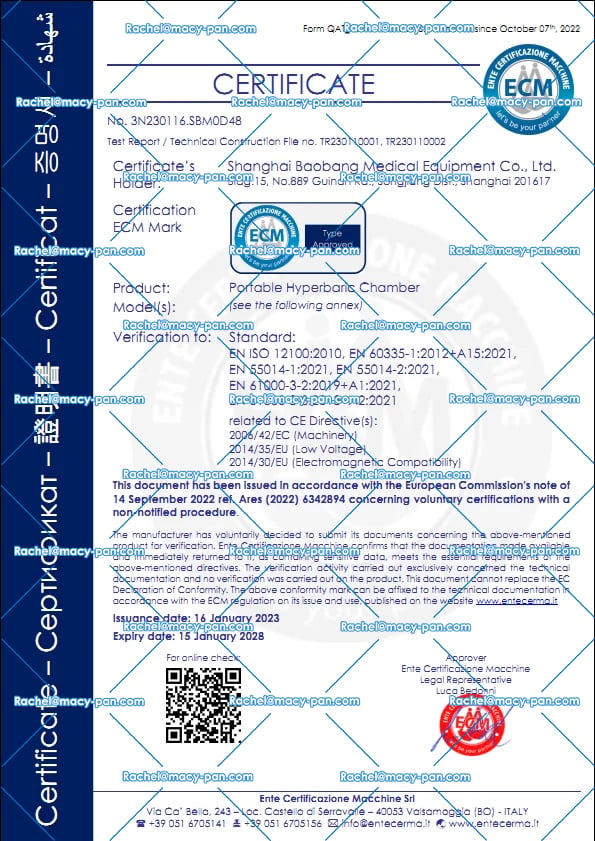
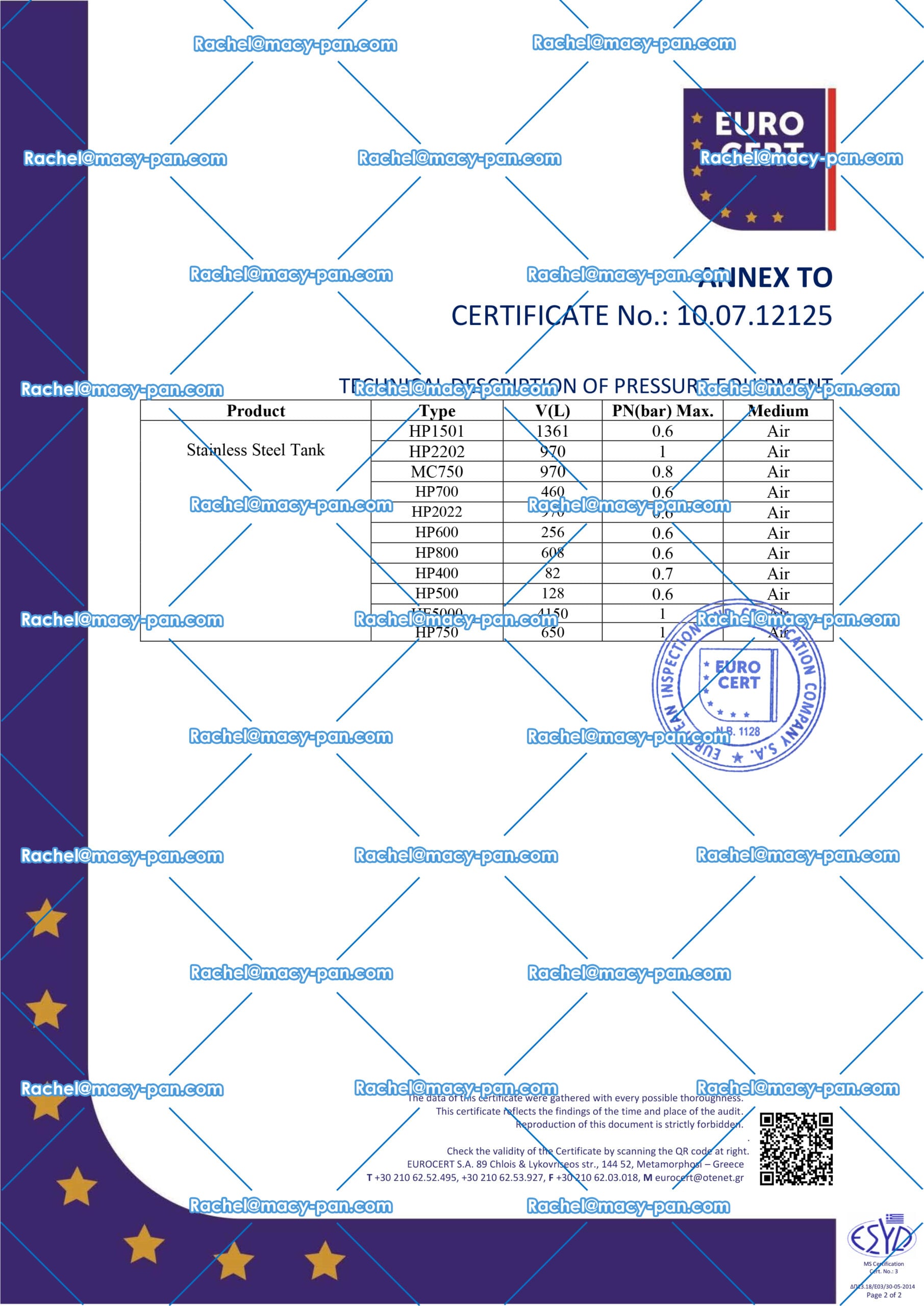
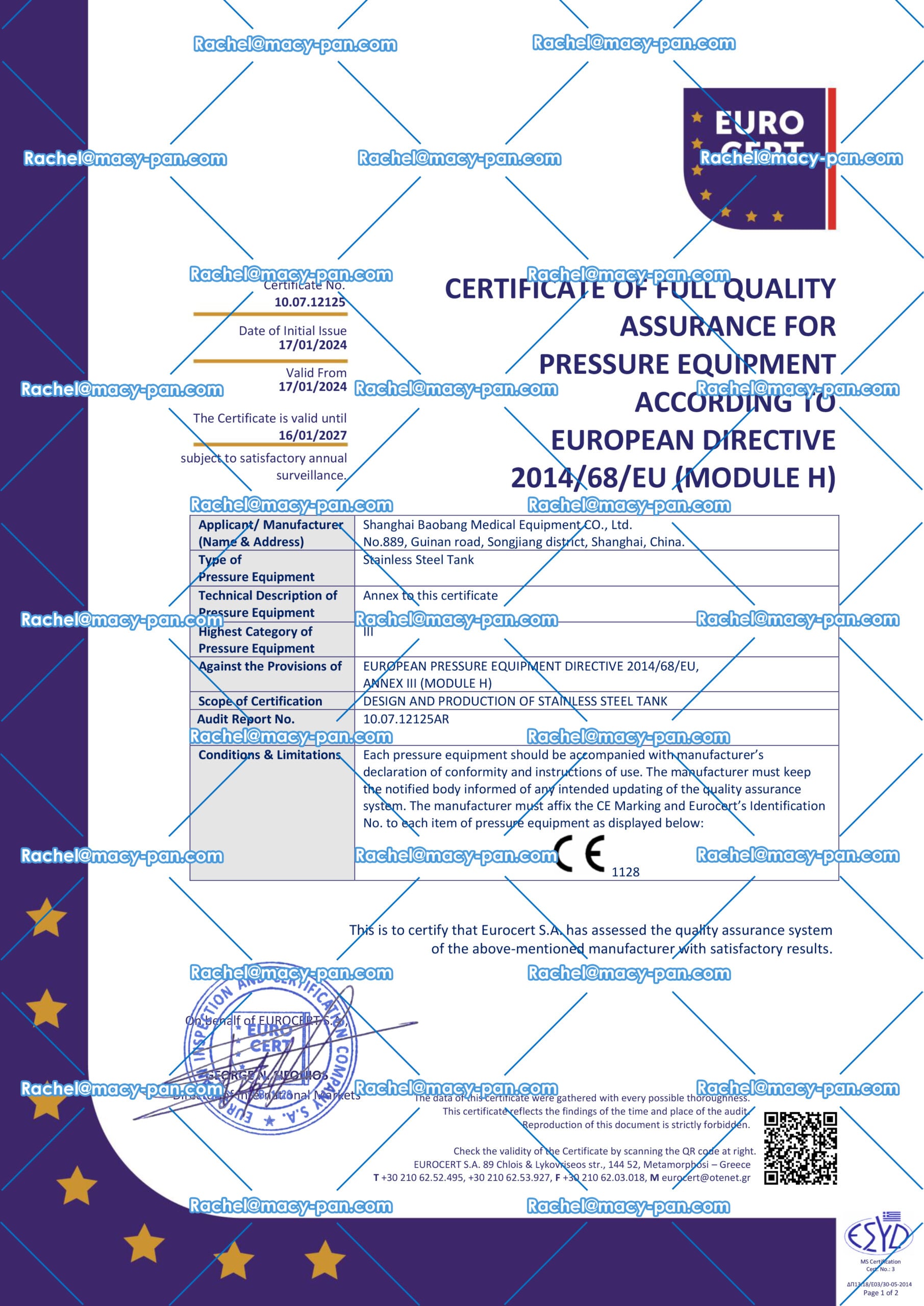
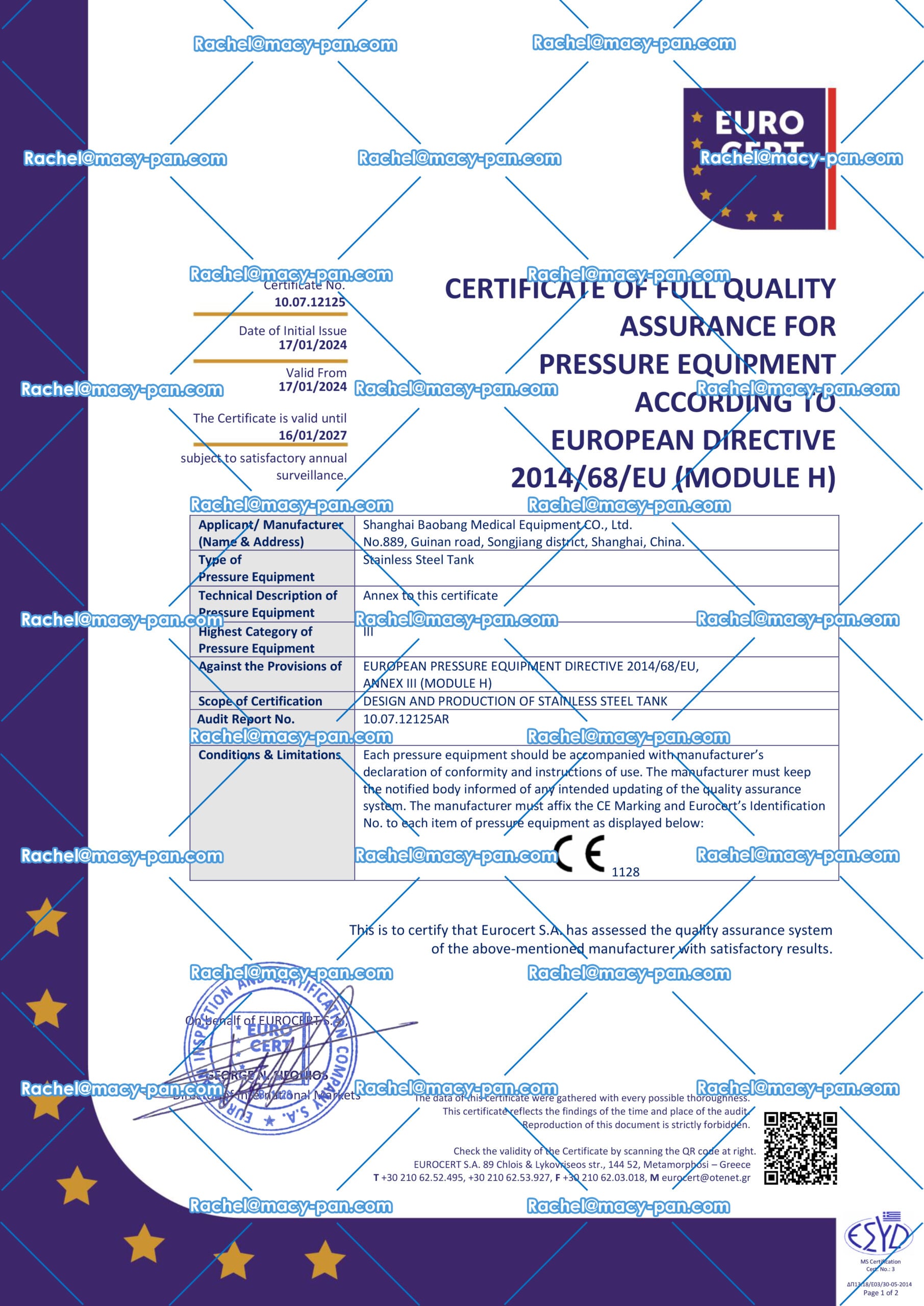
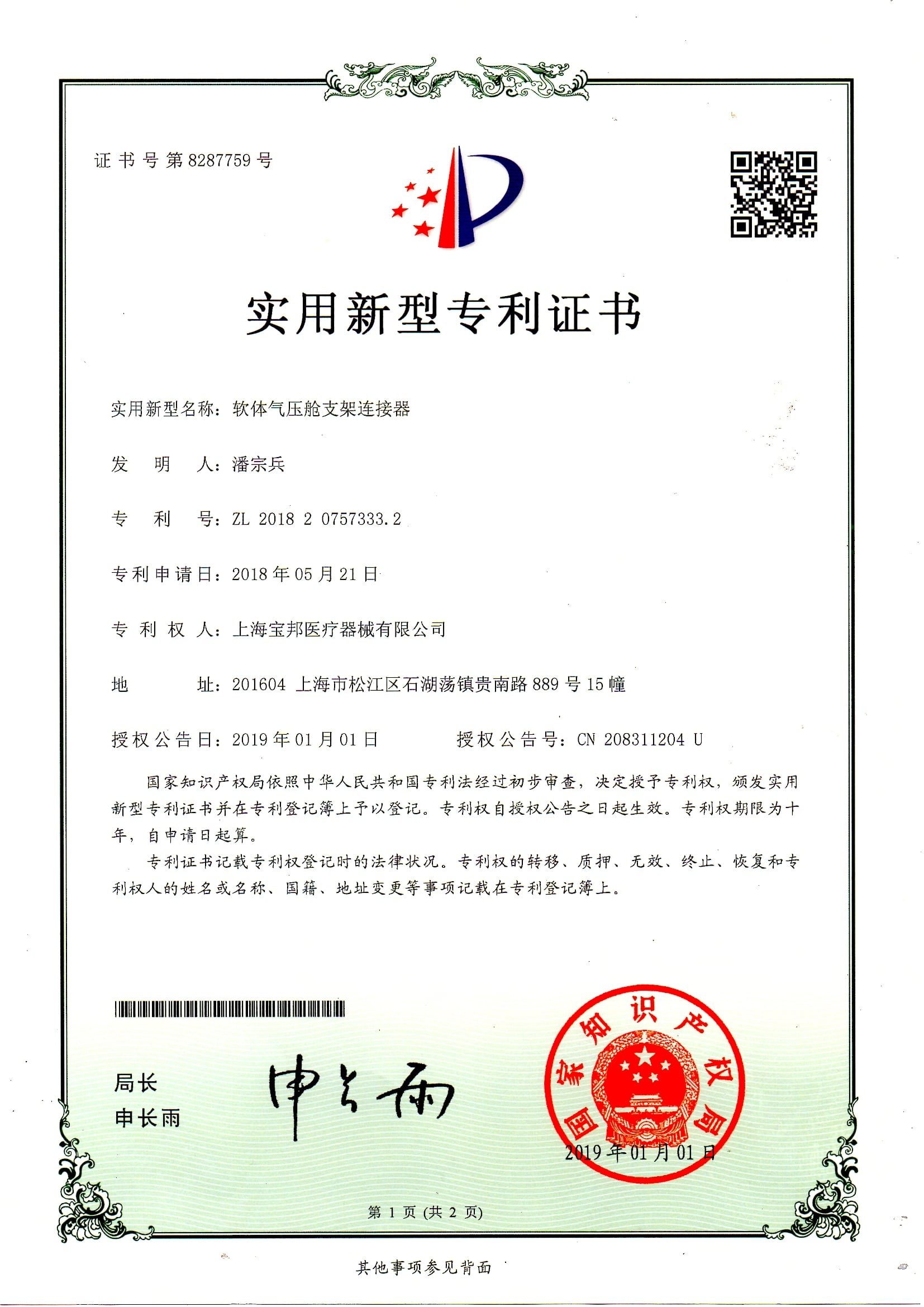
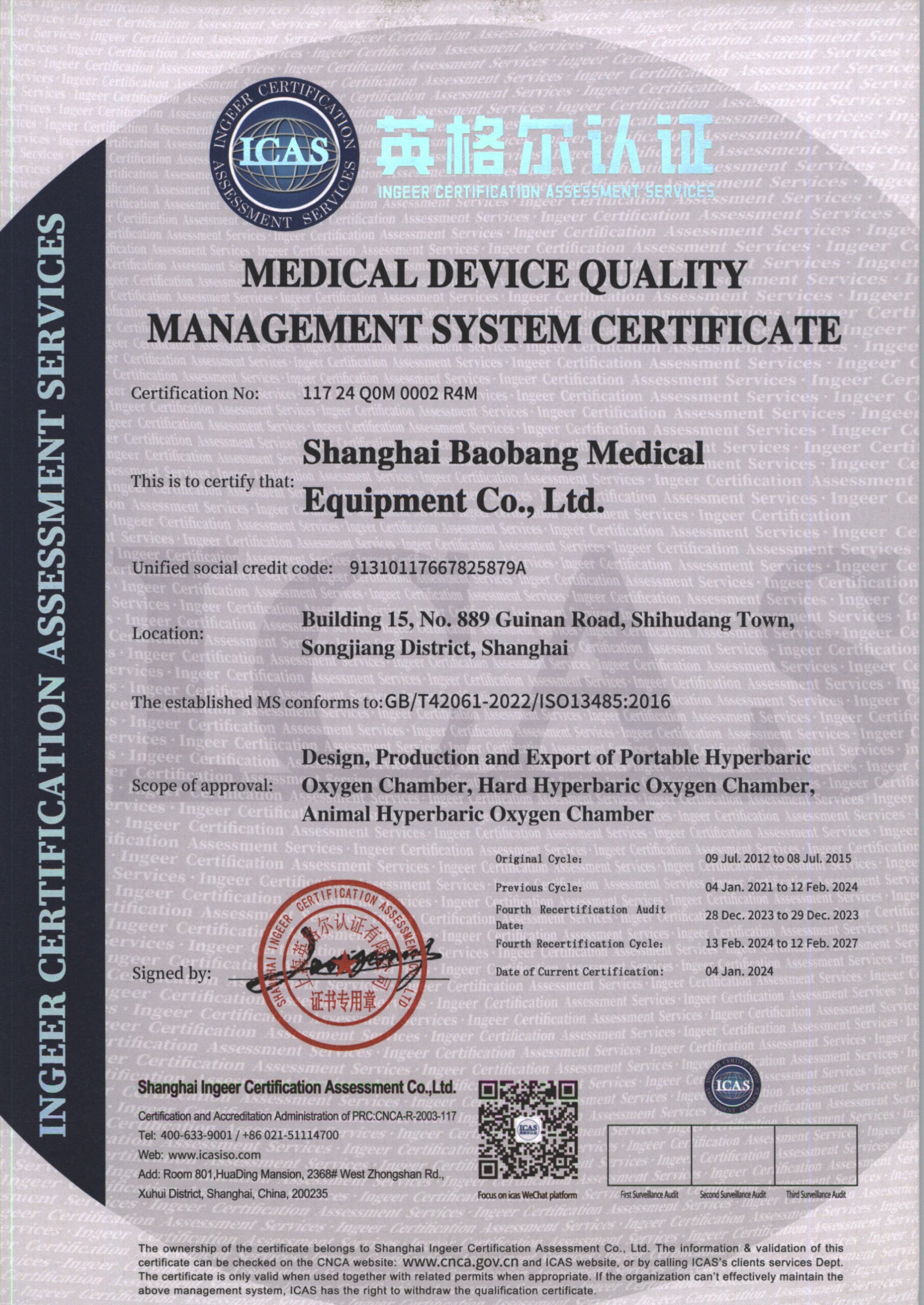
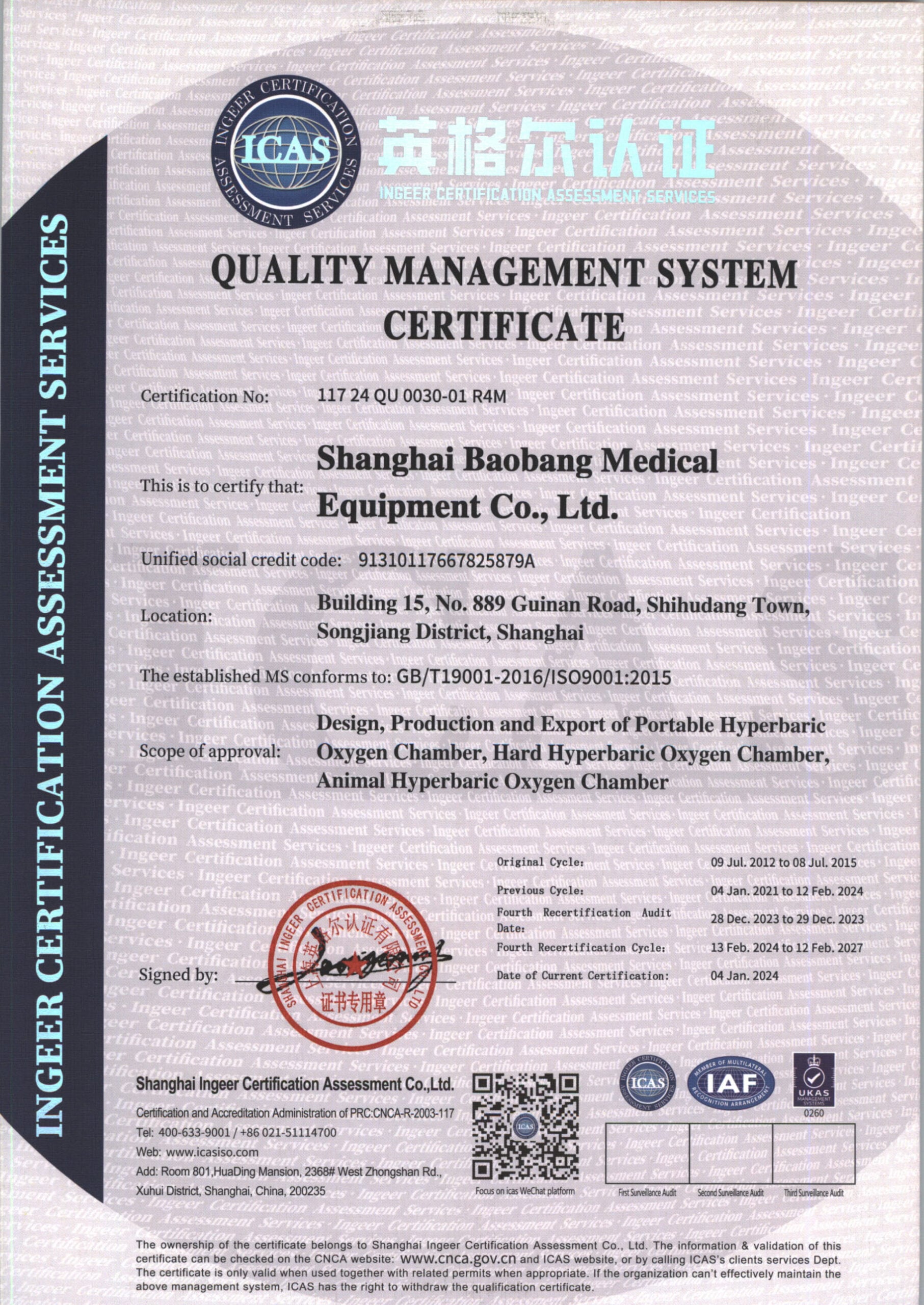
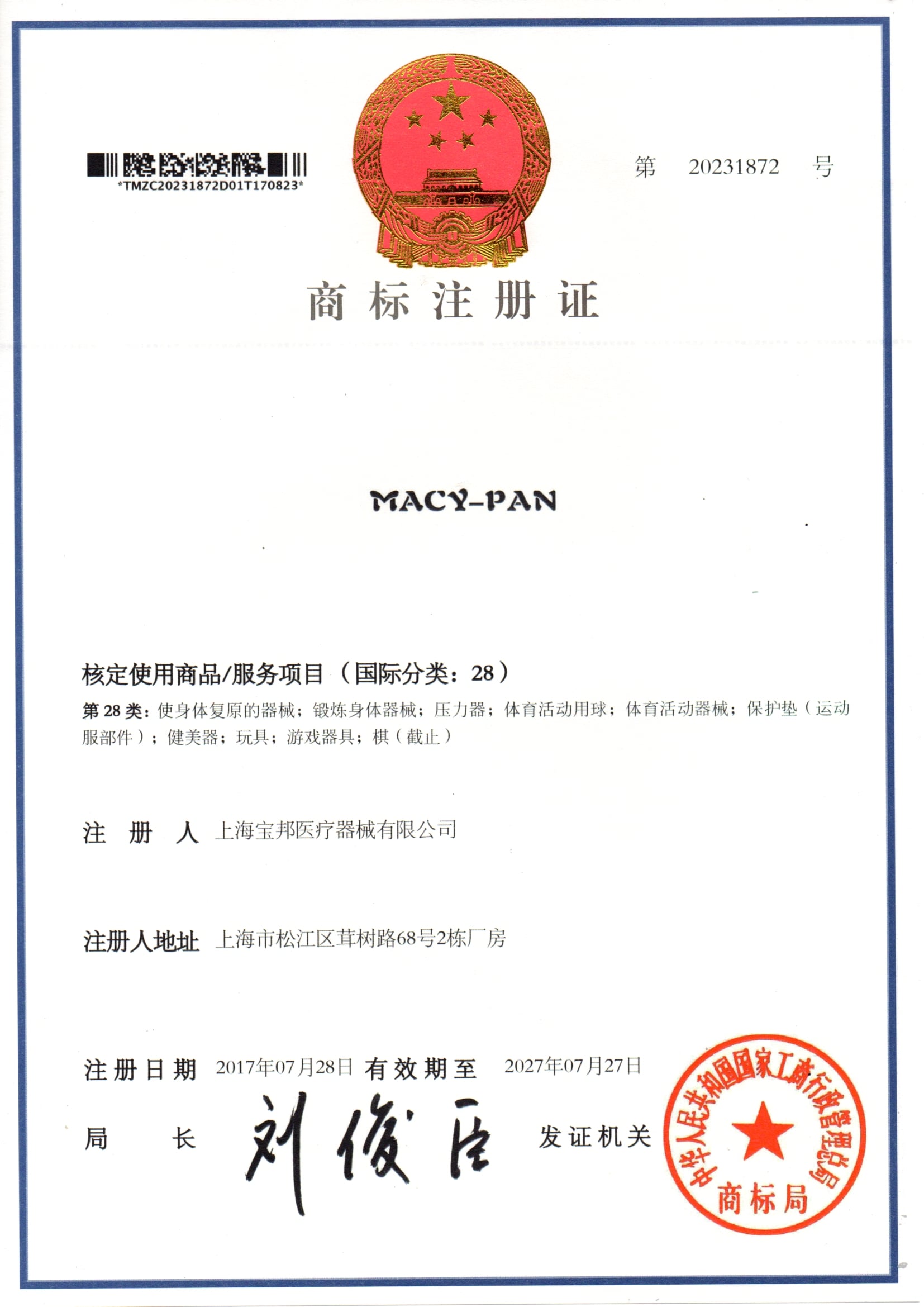
Engineering Codes & Quality Management Systems
| Certification Code | Scope & Engineering Standard |
|---|---|
| ASME | Built to the human-occupancy pressure-vessel standard |
| certified quality management system | Medical-device quality system |
| ISO 9001:2015 | Quality management |
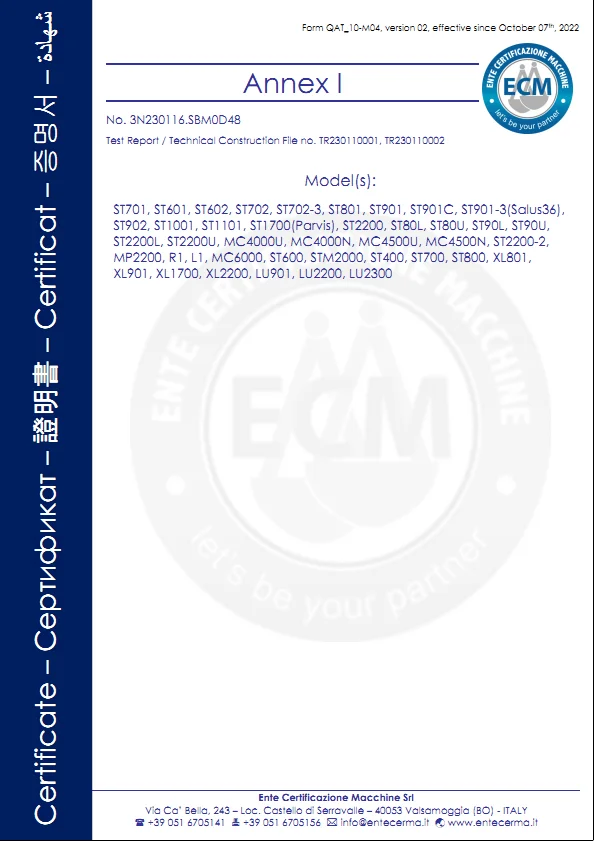
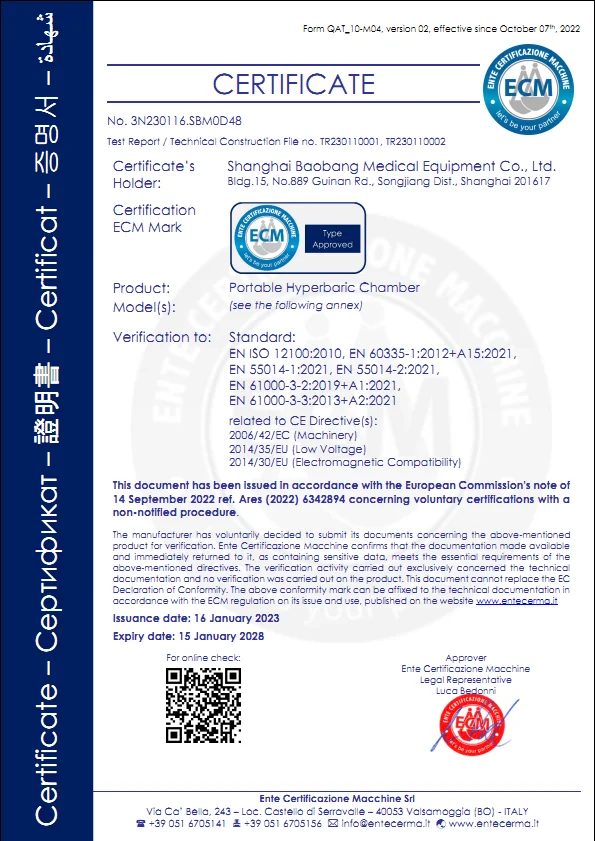
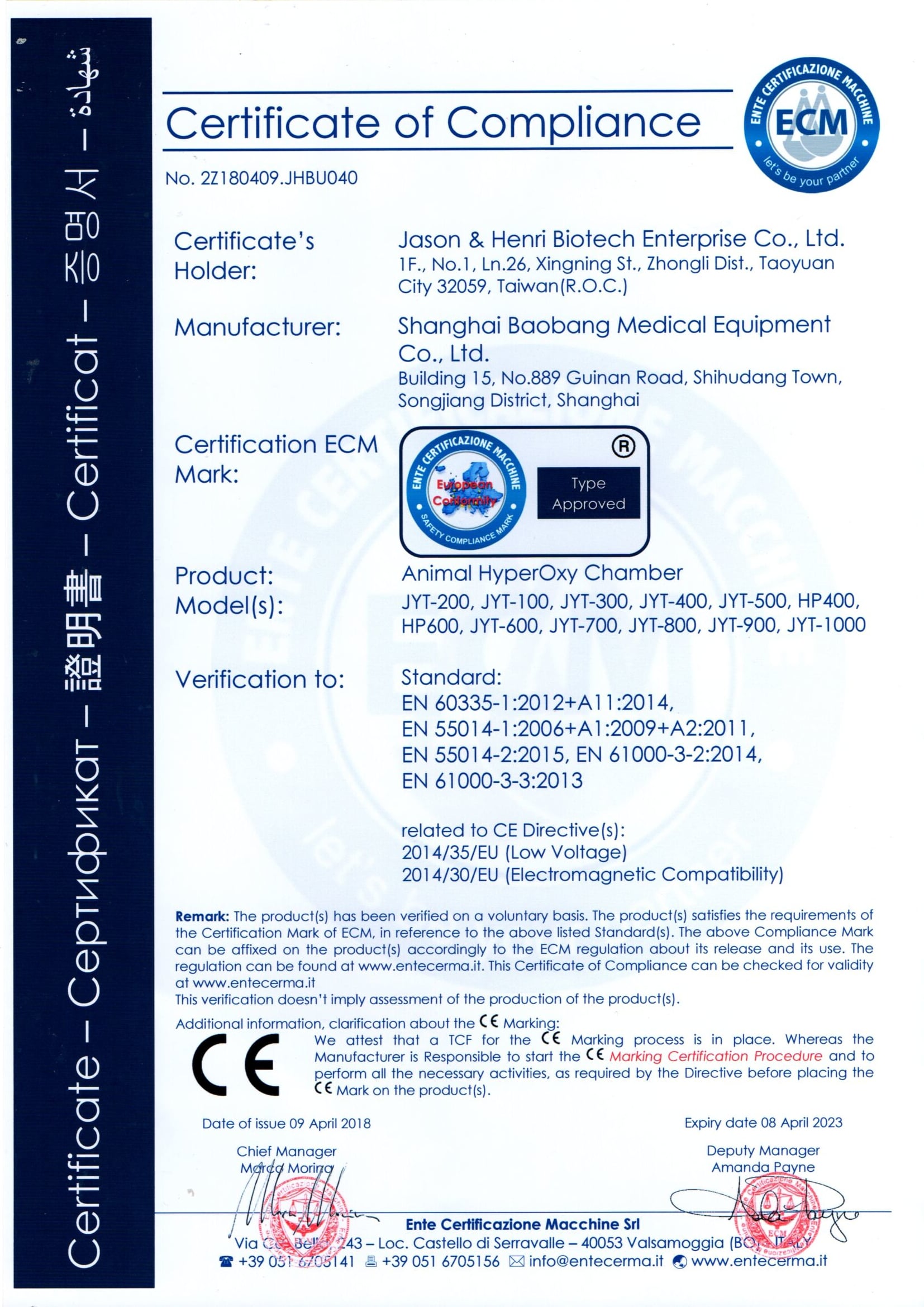
| CE | Inflatable chamber, bag, compressor |
| SGS reports | TPU shell material (fire-safety relevant) |
| EMC + EU RoHS | Electromagnetic + 10-substance compliance |
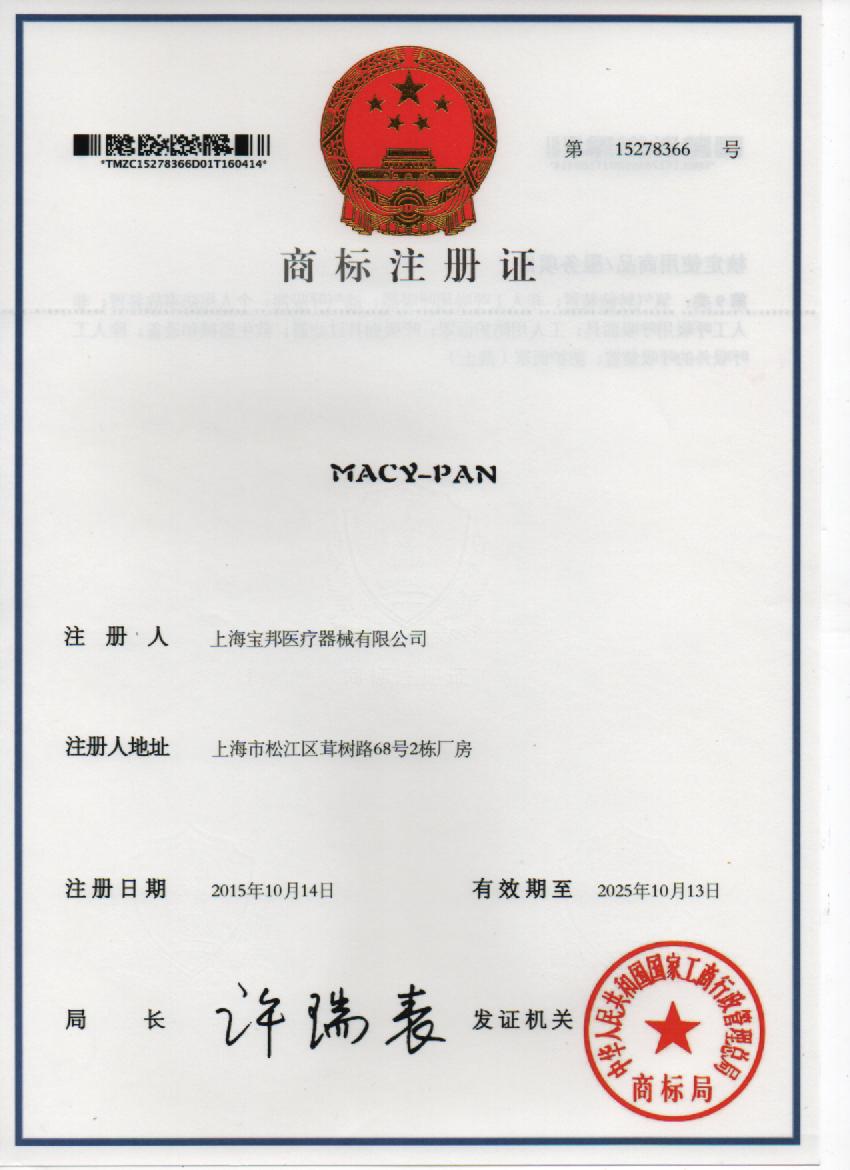
| 8 safety devices | Dual auto relief, door lock, CO₂ removal, failure-safety system, door-close sensor lock, emergency relief valve, manual relief valve, internal and external operation controls, an in-out communication system. |
Soft-Chamber Vetting Checklist (use it on any supplier, including us)
- Ask to see in writing what Engineering Code the vessel is being fabricated under – look for ASME, and not for a company that “will” design for it. Ask for it specifically for the model you’re considering for purchase.
- Request the official SGS Material Certificate for the chamber shell fabric and a “Specification” for the relief valves, and not just a company logo somewhere on their Web site.
- Ask if an Oxygen Concentrator ships with the vessel and if the Relief and Emergency valves have been “spec’d” for oxygen use.
- Confirm that the Scope Of Services for ISO 13485 quality management system explicitly includes both hyperbaric chamber design and hyperbaric chamber manufacturing.
- Don’t, ever, under any circumstances, operate a soft-sided chamber without supervision, and don’t ever attempt to over-pressurize it-both issues feature prominently in the fatal case histories.
- Be careful when reading claims of being “FDA-approved”-in the U.S., soft chambers that are approved for chamber treatments are approved for altitude-related conditions, only. For wellness application, you should rely on CE and Pressure-Vessel certification marks, not on FDA “approval.”
“We build the soft chambers to the same pressure-vessel discipline as our hard ones, dual automatic relief valves, a door-close sensor lock, a 72-hour aging test on every unit, and the SGS material reports on file. A soft shell is not an excuse to skip the engineering; the incidents that make the news are what happens when someone does.”
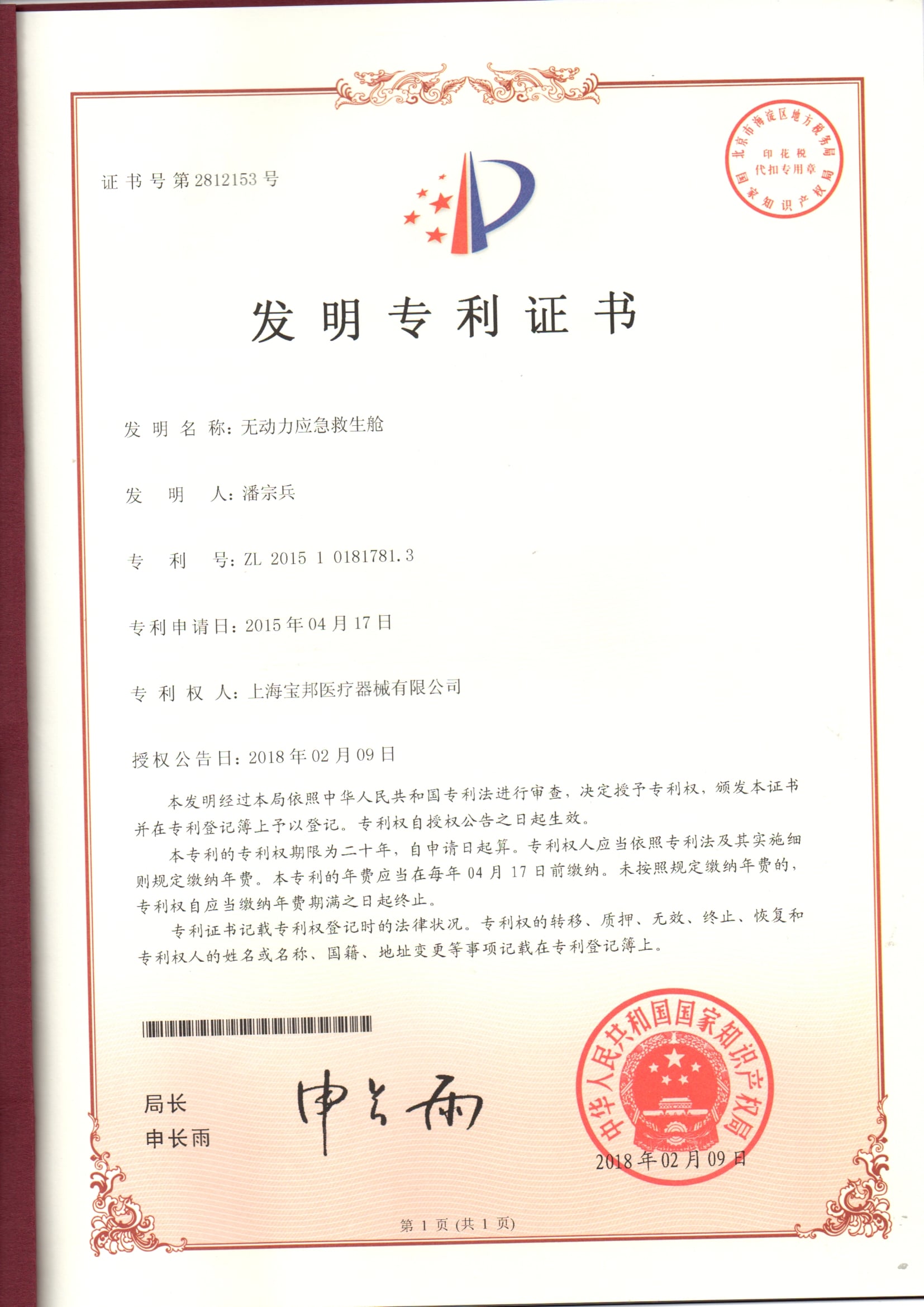
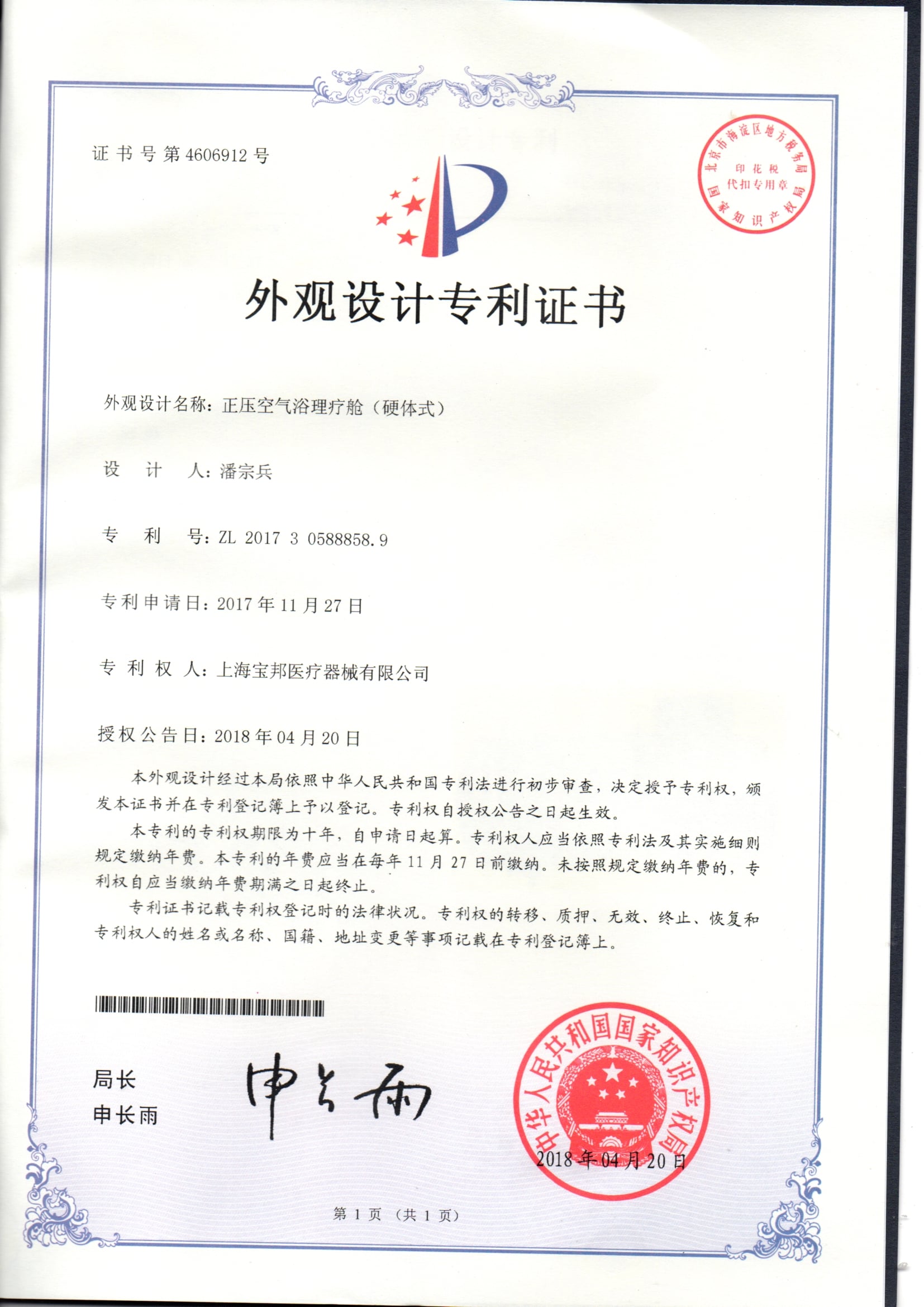
MACY-PAN’s parent, Shanghai Baobang Medical Equipment, holds patent EP 4205720 A4 for the vertical soft chamber’s U-shaped opening and hermetic sealing mechanism, the door system on the MC4000.
Request the Documentation Pack (ASME-grade build, ISO, CE, SGS) →Best Use Cases, Home Wellness, Sports Recovery & Spas
A mild chamber earns its place where the goal is recovery and routine oxygen-enrichment, not the treatment of a diagnosed condition. The best-fit settings are clear: a home where someone wants a non-invasive daily recovery session; a sports or athletic-recovery studio running clients between training blocks; a spa or wellness center adding an oxygen-enrichment service on a cash-pay basis. The honest boundary is equally clear, a soft chamber isn’t a substitute for physician-supervised care, and as one hyperbaric authority puts it, “wellness centers claiming to use them for other ailments are providing off-label treatments.” For the serious conditions some sellers imply, independent medical reviews find the evidence unproven. Keep the message to wellness and recovery and you stay on the right side of that line.
Credibility in this market is well established, even without hyperbolic medical claims: MACY-PAN chambers are used by top athletes – world champion judoka Nemanja Majdov and Karate Olympic gold medalist Jovana Prekovic have both adopted a recovery routine with the ST801 and top UFC athletes use the hard HP2202 – as one would expect when someone clients ask where the recovery studio gets its gear. For the wheelchair-accessible MC4000 and the small-footprint L1, the same logic applies. If you’re buying for a home setting, an athletic-recovery facility, or a wellness business, the right model is a short conversation away.
Tell us your setting and get a model recommendation →
Applications
Home setting, an athletic-recovery facility, or a wellness business.
Interactive Planning & Evaluation Tools
Leverage our proprietary calculators and selection matrixes to make data-driven decisions. Whether you are optimizing clinical ROI, configuring home setups, or ensuring rigorous safety compliance, these interactive tools provide instant, tailored output.
Selection Matrix
Soft Chamber Model Selector
Input your specific dimensional constraints, target pressure ATA, and user mobility requirements to instantly filter the MACY-PAN soft shell lineup and find your optimal unit.
Financial Logic
Own vs. Clinic Calculator
Compare the long-term cumulative costs of purchasing your own chamber directly from the factory versus paying per-session fees at a commercial wellness clinic.
Compliance Check
Safety & Installation Checklist
Ensure your home or commercial facility is perfectly prepared. Audit electrical requirements, oxygen concentrator ventilation, and spatial clearances before deployment.
Knowledge Base
Frequently Asked Questions Soft-Shell & Mild Hyperbaric Chambers
Factory Selection Support
Need a hyperbaric chamber matched to your room, pressure target, and compliance documents?
MACY-PAN helps clinics, wellness centers, distributors, and home buyers compare soft-shell, hard-shell sitting, and professional-grade lying chambers before quotation. Send your intended use, available space, country, and preferred ATA range, and our team will recommend a practical model path.
2007HBOT manufacturing since
126+countries shipped to
1.3-2.0ATA chamber range