Get in Touch with MACY-PAN Company

At a Glance
| Studied protocol | 60 daily sessions, 5 days/week, 2 ATA, 90 minutes, over 3 months |
| Strongest measured effect | B-cell telomere length +37.63% post-treatment (p=0.007) |
| FDA-approved for anti-aging? | No — anti-aging is an off-label use; insurance typically won’t cover it |
| Typical self-pay cost | $100–$600+ per session, 2025-2026 clinic pricing |
Hyperbaric oxygen therapy anti aging claims have exploded over the past few years. Already an established therapy in hospitals for wound care and to treat decompression sickness, hyperbaric oxygen therapy is now being promoted by medspas and longevity clinics as an approach to reduce wrinkles and boost collagen at the cellular level. It’s claimed, sometimes with justification and sometimes without, that hbot could help slow down aging and even lengthen telomeres. We investigate the evidence.
In a single clinical trial, hbot treatment was shown to improve a number of health markers, including increasing telomere length by over 20% in several types of immune cells, and reducing the proportion of senescent (“aged”) T-helper cells by approximately 37% following a 3-month, 60-session protocol. That same research group also identified an increase in collagen density and elastic fiber length in skin biopsies in subsequent research. However, no study to date has demonstrated that hyperbaric oxygen therapy reverses visible skin aging in the same way as a cosmetic treatment or procedure, nor is it FDA-approved for anti-aging use.
Key Points
- A much-touted “37% more youthful cells” figure originated in a 35-person study led by a team which operates a hyperbaric clinic – a legitimate result, but one that hasn’t been independently reproduced.
- At 2 ATA, the 60-session anti-aging protocol using hbot runs longer and more intense than the standard 10-20 sessions used for medical conditions like wound healing.
- anti-aging is not among the approximately 14 conditions for which the FDA has approved hyperbaric oxygen therapy, therefore its use is off-label and typically not covered by health insurance.
- One often-quoted claim of a “76.6% collagen increase” doesn’t appear in the main skin study results in the form of a percentage; instead, it represents a statistical effect size.
- A 2025 FDA safety alert detailed reports of deaths associated with the misuse of hyperbaric equipment, underscoring the importance of equipment provenance and facility accreditation.
What follows walks through the biology of aging this therapy is claimed to touch, why signs of aging and other visible effects of aging are a different question from measured blood biomarkers, and where the field of aging research is headed next. We separate the specific, verified benefits of hyperbaric oxygen therapy from the vaguer “benefits of hbot for anti-aging” language you’ll see on clinic websites, cover what actually seems to slow the aging process versus what’s marketing, and look honestly at whether hbot on aging biomarkers in a lab is the same thing as reversing signs of aging that aging adults can actually see in the mirror. Along the way, we flag which claimed regenerative effects of hbot are backed by a citation and which are simply beneficial-sounding language repeated across the industry without one.
How Hyperbaric Oxygen Therapy Is Thought to Slow Aging
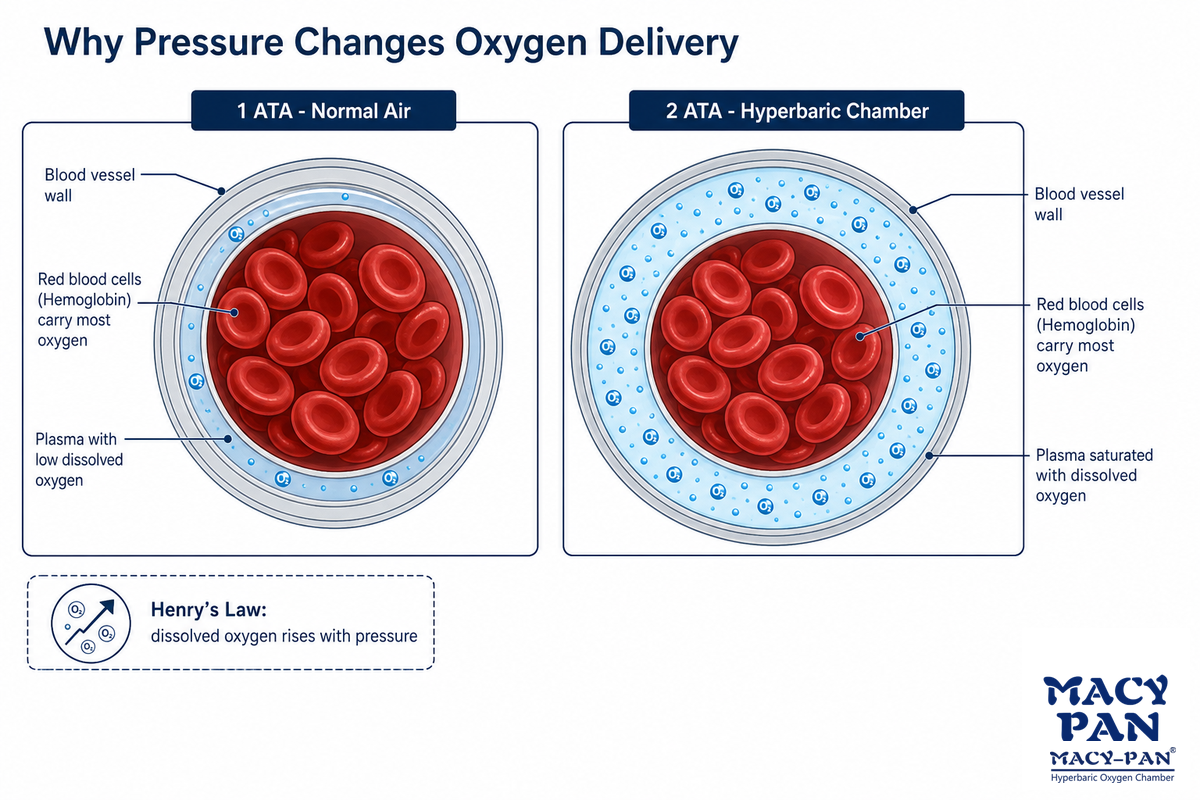
Hyperbaric oxygen therapy slows aging through a controlled paradox, not through “more oxygen equals more youth.” The therapy, also referred to as hbot or simply HBO therapy, involves breathing 100% oxygen within a chamber pressurized at more than 1 standard atmosphere (approximately 2 atmospheres absolute, or ATA), which elevates tissue and blood oxygen levels far beyond typical physiological ranges.
Intuitively, that surge in oxygen should cause oxidative stress and accelerate cellular aging – and in a single, continuous exposure, it does.
Anti-aging protocols in the actual studies don’t expose tissue continuously. They use intermittent exposures – an oxygen exposure, then a 5 minute air exposure, repeated over a 90 minute session. A 2022 mechanistic review in Redox Biology describes this as exploiting the hyperoxic-hypoxic paradox. Every exposure down to ambient air after tissue has adapted to hyperoxia is experienced by the body as a relative hypoxic exposure. This activates a hormetic stress response path similar to the response that would be generated from exercise or intermittent fasting – a minor recurring stress that elicits an outsized repair response. That increased-oxygen exposure itself becomes the stress that drive the response, rather than simply providing building blocks.
That same 2022 review identified five downstream mechanisms proposed by investigators: 1) the up-regulation of the hypoxia-inducible factor (HIF-1) which stimulate new blood vessel growth; 2) down-regulation of inflammatory signaling; 3) enhanced antioxidant protection that helps the body train its own natural cleanup of free radicals; 4) direct targeting of senescent marker genes like p16, p21 and p53 – the proteins that signify a cell is old and non-dividing; 5) the stimulation of the stem cells in the blood stream. In the original anti-aging clinical study, HIF-1 was increased at 10.54 ± 3.39 and to 19.7 ± 3.39 at the 60th treatment session (p=0.006), but had regressed towards the starting point by one to two weeks post treatment, suggesting the underlying cause may have dissipated somewhat but that subsequent events such as telomere length might continue.
A straightforward gas law explains the physics behind this: dissolved oxygen content in blood plasma rises in direct proportion to the partial pressure of oxygen inside the chamber. Under normobaric oxygen conditions – regular room air at 1 ATA, about 21% oxygen – oxygen tension in plasma stays low because almost all the oxygen your body carries travels bound to hemoglobin, not dissolved freely. Push the oxygen administration to 100% and the chamber pressure to 2 ATA, and the partial pressure of oxygen climbs roughly tenfold – enough that oxygen dissolves directly into plasma, cerebrospinal fluid, and tissue, independent of red blood cells. That’s the physical basis for hyperbaric conditions doing something normobaric oxygen alone cannot: it isn’t just correcting a lack of oxygen, it temporarily floods tissue with an oxygen content far above anything the body experiences breathing pure oxygen at sea level. Any application of hyperbaric oxygen for anti-aging purposes depends on this pressure-driven oxygen availability – not simply breathing pure oxygen in a pressurized chamber for its own sake. Varying oxygen levels created by cycling between hyperoxia and normoxia – not a flat increase in oxygen held constant throughout – are what the research points to as mattering for the biological effect.
📐 Engineering Note
A 2 ATA chamber is very different than the “mild hyperbaric” (1.3 ATA, ~24-35% oxygen) devices sold for home wellness use. Medical-grade 2 ATA multiplace chambers using 100% oxygen by mask generated the anti-aging telomere and collagen results — very different exposure from a soft-sided consumer chamber running lower pressure and oxygen percentage. Information from the 2 ATA study can’t be automatically extrapolated to a 1.3 ATA unit without evidence supporting that.
The Cellular Evidence: Senescent Cells and Telomere Length
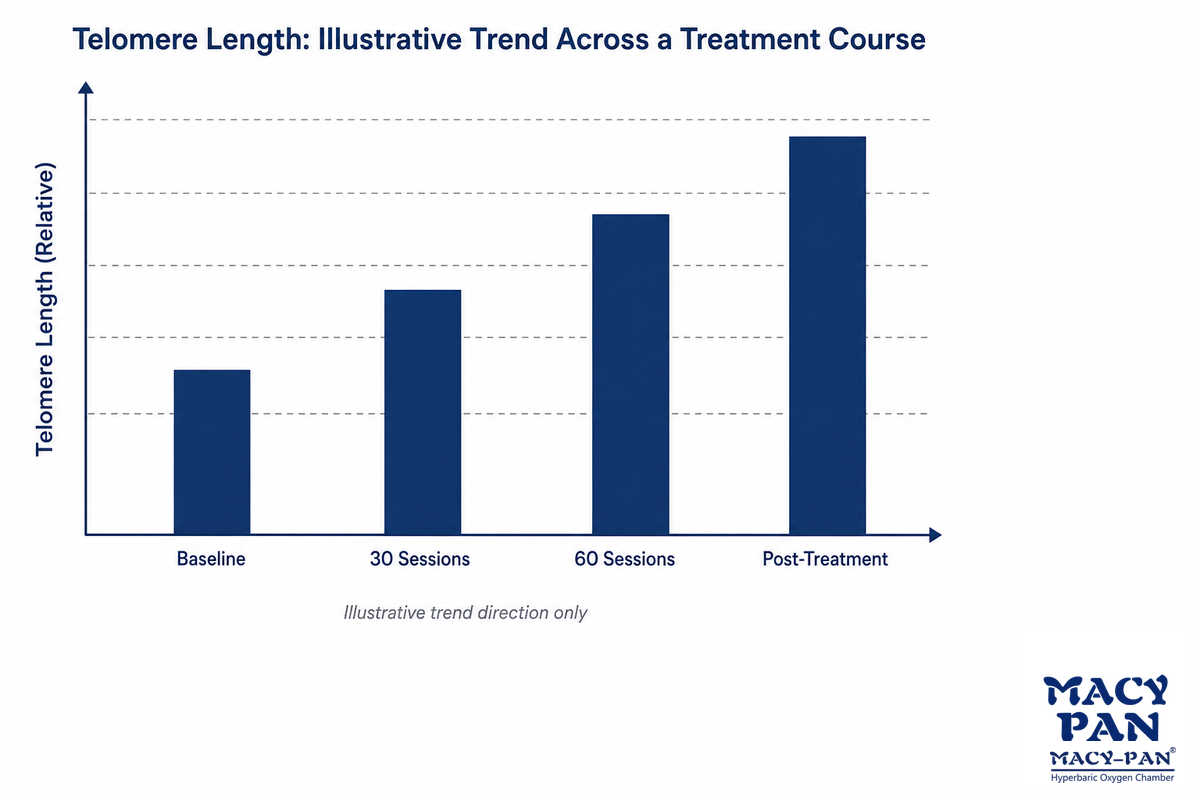
Underlying virtually every “hbot reverses aging” headline you read here’s a single, published human study – a true prospective clinical trial published in the journal Aging in November 2020 by Hachmo, Hadanny, Efrati, and their colleagues at Shamir Medical Center’s Sagol Center for Hyperbaric Medicine and Research in Israel. It included 35 healthy, ambulatory adults 64 and older, 30 of whom completed the protocol. Researchers drew blood at baseline, at session 30, session 60, and again one to two weeks after session 60, and measured senescent cell percentage in four cell types and telomere length.
Results were reported as published: telomere length increased by more than 20% in T-helper, T-cytotoxic, and natural killer cells following the full protocol. B cells were the group that showed the most significant, largest increase – by 25.68% at visit 30, by 29.39% at visit 60, and by 37.63%±52.73 (p=0.007) after the entire course. On the senescent cell side of things, percentage of senescent T-helper cells fell by 37.30%±33.04 (p<0.0001) after treatment, and percent of senescent T-cytotoxic cells fell by 10.96%±12.59 (p=0.0004).
| Marker (tier class) | Source | Measured change | Evidence tier |
|---|---|---|---|
| B-cell telomere length | Hachmo et al. 2020, Aging | +37.63% post-HBOT (p=0.007) | Tier 1 — human RCT-style trial |
| T-helper telomere length | Hachmo et al. 2020, Aging | +29.30% post-HBOT (p=0.005) | Tier 1 |
| NK-cell telomere length | Hachmo et al. 2020, Aging | +22.16% post-HBOT (p=0.06, borderline) | Tier 1 (weaker significance) |
| T-cytotoxic telomere length | Hachmo et al. 2020, Aging | +19.59% post-HBOT (p=0.023) | Tier 1 |
| Senescent T-helper cells | Hachmo et al. 2020, Aging | −37.30% post-HBOT (p<0.0001) | Tier 1 |
| Senescent T-cytotoxic cells | Hachmo et al. 2020, Aging | −10.96% post-HBOT (p=0.0004) | Tier 1 |
| Skin collagen density | Hachmo et al. 2021 (skin sub-study), Aging | Significant increase (p<0.001, effect size 1.10) — no % reported | Tier 1, small n=13 |
| Elastic fiber length | Hachmo et al. 2021 (skin sub-study), Aging | Significant increase (p<0.0001, effect size 2.71) | Tier 1, small n=13 |
| Independent methodological critique | Fight Aging! analysis, 2020 | Argues effect may be immune-cell-specific, not body-wide | Tier 3 — expert commentary, not new data |
“In just three months of HBOT, we were able to achieve such significant telomere elongation, at rates far beyond any of the currently available interventions or lifestyle modifications.”
Dr. Amir Hadanny, co-author of the study and Chief Medical Officer, Aviv Clinics
Here’s actually how the study worked: blood was drawn from each of the 30 individuals who completed the study at four separate points during the 4 months the study lasted, but with an ironclad constraint – participants couldn’t alter their diets, change medications, or modify their lifestyles during the entire duration of the study to isolate hbot’s effect. That’s a reasonable control design for a single-arm study, but it has one limitation, which is also stated by the authors of the study itself: the absence of a control group. With a limited number of participants (up to 30; 20-25 in the case of some cell-type analyses as a few participants’ samples were excluded) and no measurements of telomerase, which actually builds telomeres, this finding needs to be approached cautiously. However, these aren’t grounds for completely disregarding the outcome; they’re grounds for interpreting 37.63% as a specific and meaningful first-time statistic – rather than definitive scientific fact.
What Changes in Skin Specifically: Collagen, Wrinkles, and Photoaging
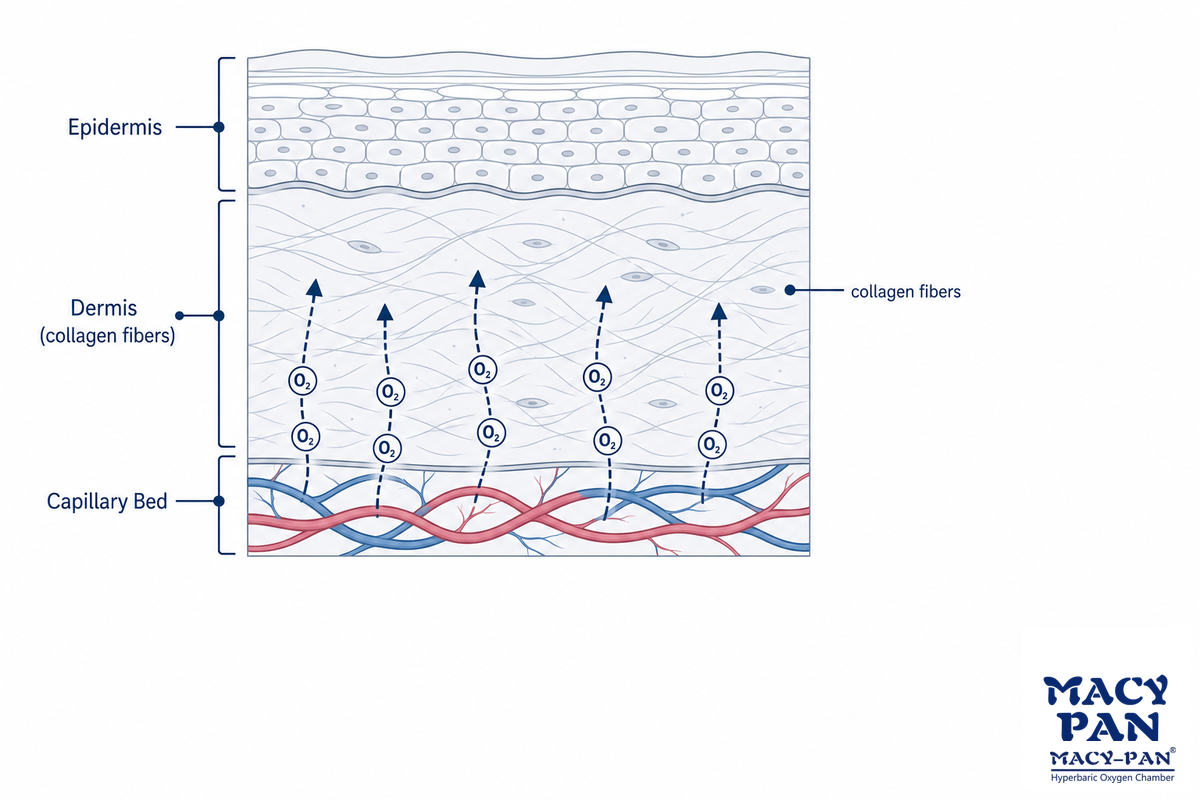
Telomere and senescent-cell data reflects the “biological age” of the immune system, not necessarily how skin appears. A separate, smaller study run by the same research group examined hbot’s effect on skin directly, using repeated biopsies rather than blood draws.
13 male participants (average age 68) from the original 70-person cohort had skin biopsies taken from protected areas at baseline, after a 3-month no-treatment control period, and 1-2 weeks after completing the same 60-session hbot regimen.
Skin biopsy results from the participants showed an increase in collagen density that was statistically significant (p<0.001; a very large effect size of 1.10) and an increase in the length of elastic fibers that was also substantial (p<0.0001; effect size 2.71). There was an increased number of blood vessels (p=0.02) and a reduced amount of senescent cells in the tissue (p=0.03) together with a decreased fiber fragmentation (which is considered a sign of skin fragility). These changes are in the skin’s underlying structure and are actual measured outcomes that are statistically significant.
⚠️ Important
In various advertising materials relating to this specific treatment you will see “76.6% increase in collagen density,” but this figure does not appear in the main research paper. Its abstract does state the relevant p-value and the effect size of collagen density, but it does not include any percentages. If the figure ‘76.6’ appears anywhere in the data table of the research, it could reasonably be understood as the raw value of density, rather than the percentage of change, and is a figure that cannot be validated as a “76.6% increase” by this guide’s authors.
A pair of honest limitations are worth mentioning: it was a small, single-sex sample (13 men, no women in the study), and “collagen density increased in a biopsy” is different than the “before-and-after” dramatic pictures some clinics show to advertise this therapy – the study measured microscopic tissue structure rather than a dermatologist’s before-and-after score of wrinkles. Another line of research from animal models mentioned in a 2024 Frontiers in Aging review “reduced UVB-induced wrinkles formation and skin blood-vessel damage following hyperoxic exposure” in mice – mechanistically reasonable, but in a mouse study, not a surrogate for human wrinkle-outcome results.
“Skin rejuvenation” and “skin health” are the phrases marketing pages reach for, and the biopsy data does support a real connection between hbot and the aging of the skin at a structural level – just not the dramatic reverse-aging-with-hyperbaric-oxygen transformation implied by before-and-after marketing photos. What the biopsies actually show is consistent with a modest, measurable slowing of tissue-level skin aging, not a cosmetic-procedure-grade result.
Grading the Evidence: What’s Proven, Preliminary, or Marketing
Here’s the information that isn’t made very clear on the clinic pages in this niche: the telomere trial, the finding about senescent cells, and the skin-biopsy study aren’t three independent reproductions of the same results. All three papers came from the same group of researchers – Efrati, Hadanny, Hachmo, and their collaborators at the Sagol Center for Hyperbaric Medicine and Research – and, as explicitly noted in the studies themselves and independent summaries of them, three or four co-authors of each were employed by hyperbaric oxygen therapy company AVIV Scientific LTD and at least one was a shareholder. Funding for these studies was through the Sagol network, which also underwrote the Sagol Center. None of this indicates that the results themselves are inaccurate, but rather that this entire evidence base hasn’t yet been confirmed by a research team that doesn’t have commercial interests in the outcome, a significantly different status from, say, a finding replicated by 5 different research groups.
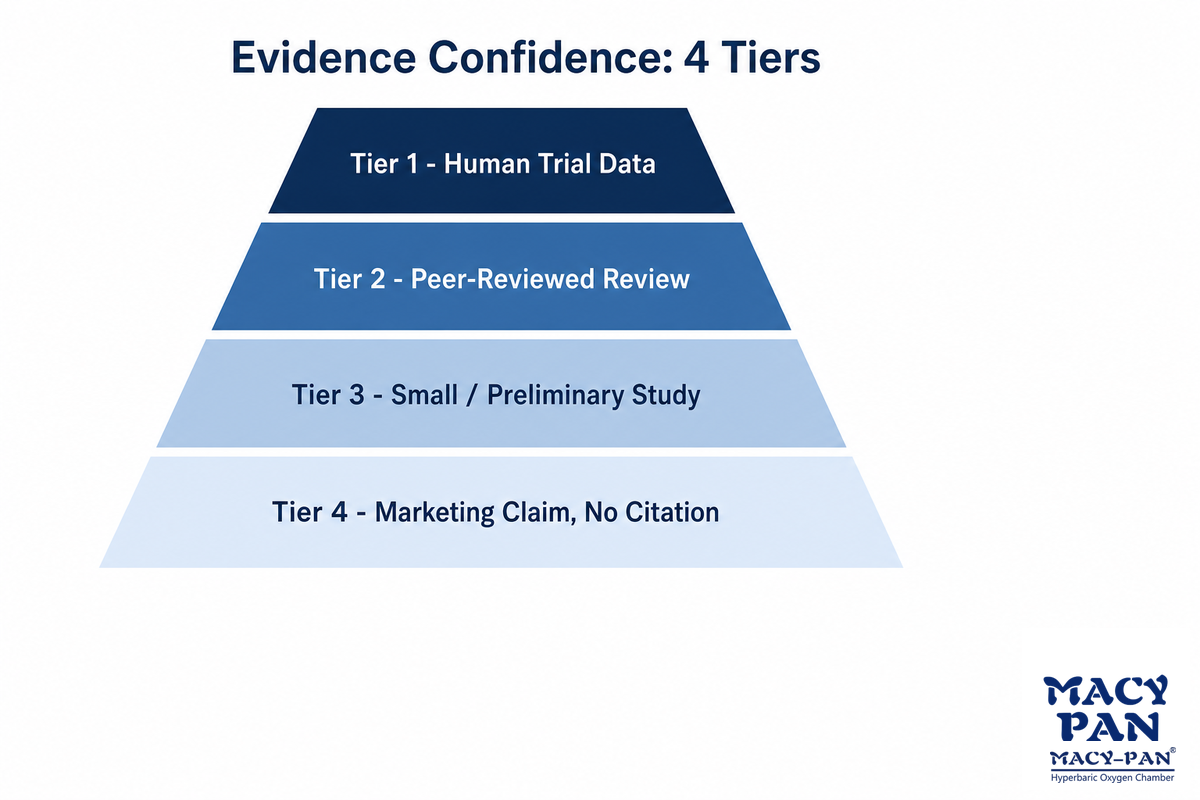
Claims in this space span everything from “real measured changes in B cells observed in a human study” to “stops the aging process” or “reverses aging at the cellular level,” and sorting them by evidential level rather than confident tone helps make sense of that spread.
4 Confidence Tiers From Human Trial to Marketing Talk
- Level 1 – Human trial results: “The number of B cells with telomere length increased by 37.63% with the use of hbot in a 35-person study.” This is direct data with an published peer-reviewed paper and hasn’t yet been confirmed by an independent study.
- Level 2 – Theoretically sound, closely related to humans: “It’s possible that hbot has an effect through hyperoxic-hypoxic paradox and HIF-1 activation.” It’s supported by actual biomarkers (like HIF-1 activity levels) in the human study but doesn’t close the full loop in terms of causing a slow down in aging.
- Level 3 – Animal and cell models only: “When exposed to hyperoxic oxygen, skin wrinkles from UVB rays are decreased in mice.” This is factual, evidence-based research but the skin in a mouse behaves differently than human skin in certain respects.
- Level 4 – Unproven Marketing Claims: “hbot reversed the aging of skin” or “Skin has 76.6% more collagen” without providing citations for claims that are presented as fact. This is how most clinic websites on the subject function.
Try putting a few common claims through the scale, and it begins to come into focus. “hbot improved telomere length in a published study”-Tier 1, demonstrated above. “HBOT is FDA approved for anti-aging”-Tier 4 claim presented as a fact (more below). “HBOT induces a hormesis response like exercise”-Tier 2, a reasonable mechanistic inference made from reviews of the literature, rather than an actual observed ‘age reversed’ outcome. Putting the marketing copy through the same sieve only takes 10 seconds longer and catches most of the overpromising before it catches you.
It’s also worth being precise about the role of hbot versus the role of hyperbaric oxygen generally in this story. “Hyperbaric oxygen therapy improves X” and “uses hyperbaric oxygen therapy for Y” claims often blur together mechanisms that have real support – like the therapy’s effect on reactive oxygen species and oxidative stress signaling – with the much bigger, unproven claim that those beneficial effects scale up to whole-body rejuvenation. The potential of hbot in this space is real but narrower than most marketing suggests: consequences of aging at the immune-cell level, not a documented case of contribute-to-aging factors being reversed body-wide.
How Many Sessions, and What Does a Protocol Actually Look Like
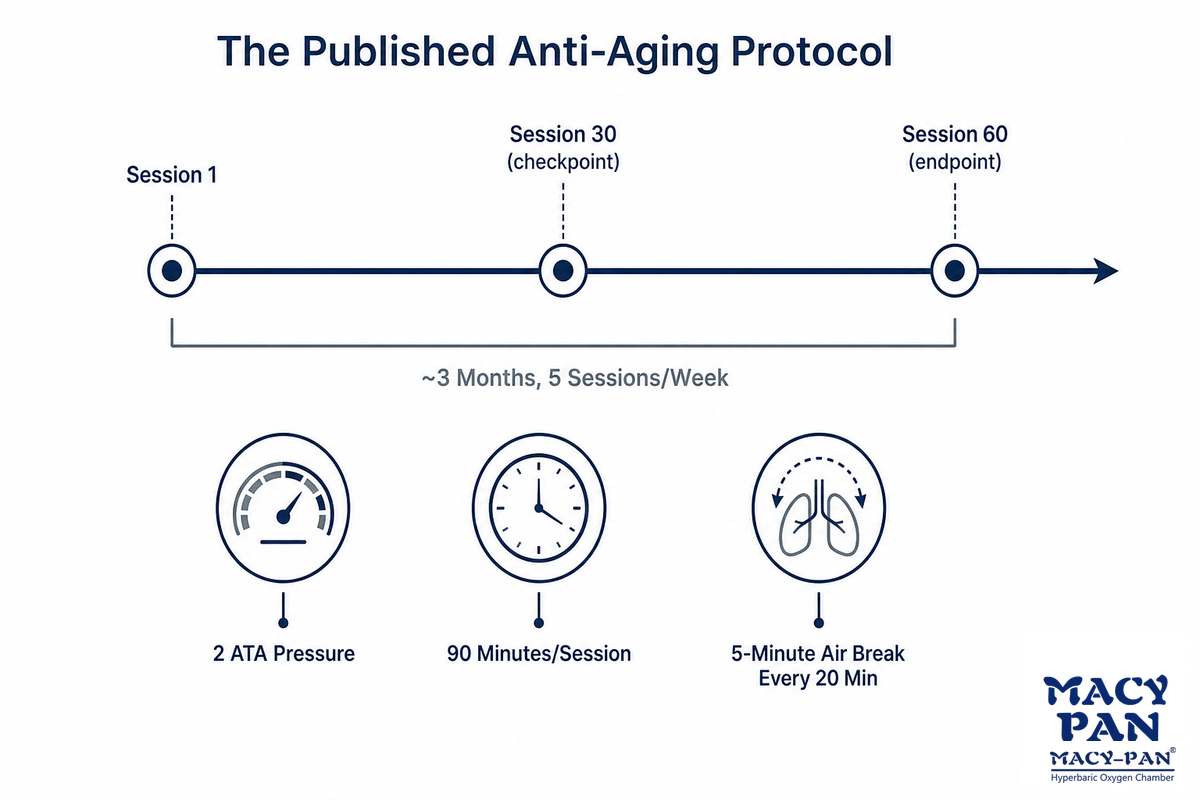
A very specific protocol underpins the headline numbers: 60 daily sessions, 5 days a week, over 3 months, each delivering 100% oxygen via mask at 2 ATA for 90 minutes with a 5-minute air break every 20 minutes. This precise protocol, not a generalized “hyperbaric oxygen” claim, produced the above telomere and senescent-cell findings.
Compression and decompression were both carried out at a controlled pace of 1 meter/minute in a multi-person chamber – worth knowing before comparing this to whatever protocol a given clinic quotes you.
| Parameter | Studied anti-aging protocol | Typical wound-care course |
|---|---|---|
| Sessions | 60 | 10–20 (condition-dependent) |
| Frequency | Daily, 5x/week | Daily or every-other-day |
| Pressure | 2 ATA | 2.0–2.5 ATA (varies by protocol) |
| Session length | 90 minutes | 60–120 minutes |
| Total duration | ~3 months | 2–6 weeks |
In reality this represents the gulf between what a clinic can profitably sell you as an “anti-aging package” and what the research actually investigated. If you were to call three different clinics about an ‘anti-aging hbot program’ they would likely tell you it could be a 10-session introduction or a 60-session complete program-only the latter is the one where those specific findings were achieved. Lowering the dose isn’t guaranteed to do nothing, but it’s largely unproven regarding this body of evidence; the 30-session blood draw in the original study produced a weaker result than the post-treatment or 60-session ones, which itself suggests something about dose-response.
Who Should Consider It, and the Safety Realities Marketing Pages Skip

Hyperbaric oxygen therapy is not an FDA-approved treatment for aging, cosmetic skin improvement, or cognitive performance. FDA clearance for hbot devices covers about 14 medical conditions – decompression sickness, carbon monoxide poisoning, certain wounds among them – and none of them includes aging.
That has two practical implications: insurance (including Medicare) rarely covers an anti-aging course, since coverage follows the approved-conditions list; and any clinic offering the treatment for “biohacking,” anti-aging, or cognitive decline is doing so off-label – legal, but not the same as FDA-endorsed.
With regards to safety specifically, the treatment itself is generally well-tolerated in an accredited facility. Complications have been documented as reversible middle ear and sinus barotrauma, temporary vision changes that typically resolve after the end of a treatment course, and on rare occasion oxygen toxicity or lung issues (those with claustrophobia can have difficulty in the single person hard chambers). What is far less widely-known is the risk related to equipment and facilities.
A safety letter released by the FDA to health care providers in August 2025 cited severe injury and death associated with hyperbaric chamber devices, primarily relating to the risk of fire due to high-concentration oxygen equipment. This mirrors what Harvard Health’s own review of HBOT flags: the therapy is safe for its FDA-approved uses, but claims outside that list deserve scrutiny. Its recommendations for providers are a practical and not-to-be-ignored checklist of equipment safety protocols (follow instructions, properly ground electrical, avoid synthetic static-generating fabrics, staff supervision, manufacturer maintenance) not a vague caution.
✔ Reasonable candidates
- Healthy adults evaluating an elective, self-pay wellness intervention with realistic expectations
- People already being treated for an FDA-approved indication who ask their physician about incidental anti-aging research
- Buyers prioritizing accredited facilities with medical-grade, properly maintained equipment
⚠ Talk to a physician first
- Anyone with a history of untreated pneumothorax, certain ear/sinus conditions, or seizure disorders
- Pregnant individuals
- Anyone comparing an unaccredited or unclear facility against the studied 2 ATA medical-grade protocol
This is intentionally an extremely limited safety summary with regard to the specific indications of hyperbaric therapy and patient-specific risks and contraindications; for such an extensive overview of medical limitations and step-by-step management, a read on that topic is warranted prior to considering therapy.
The Hype-vs-Science Gap: Claims That Outrun the Data
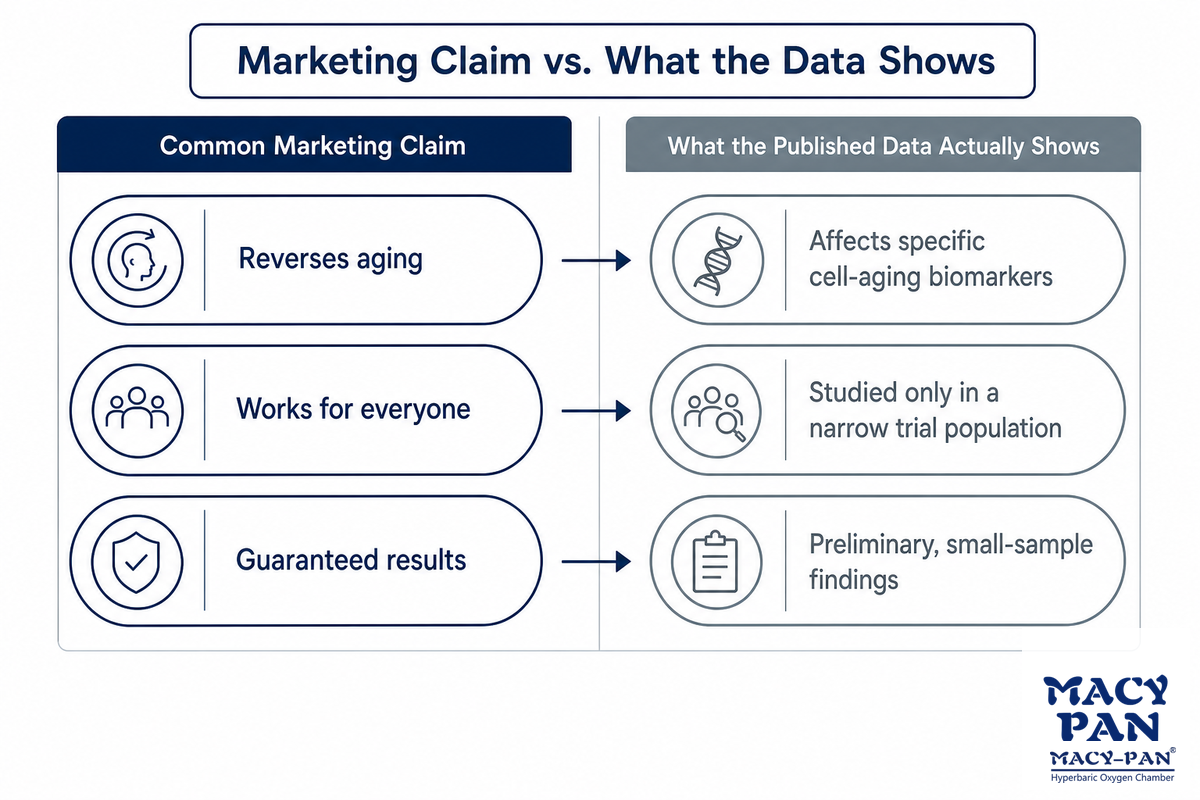
Of all the various sites and publications debunking the “hbot reverses aging” story, Fight Aging! provides perhaps the single most powerful analysis that comes not from an armchair outsider, but from an expert within the scientific domain: their November 20, 2020 article, “Overhyping the Effects of Hyperbaric Oxygen Treatment on Aging”, published shortly after the original telomere study made headlines. The claim: Measured telomere length in blood cells isn’t a surrogate measure for overall body aging. This is because blood cells, particularly immune cells, divide at vastly different rates depending on immune stimulation, inflammation and the vagaries of day to day physiology. An increase in blood cell telomere length reflects a real change, but it doesn’t reflect aging or rejuvenating of the body.
This analysis drive the point home with a comparison to a different category of therapeutic molecules. Senolytic drugs (designed to specifically eliminate senescent cells) reliably decrease the proportion of senescent cells in mouse studies by roughly 33% and produce well-documented benefits for arthritis, chronic kidney disease, and other age-related conditions – the kind of risk-vs-benefit track record HBOT’s own evidence base doesn’t yet have. They argue that if hbot really caused this magnitude of senescent cell reduction in the body as a whole, it would already be widely recognized as an established therapy for such diseases, which it isn’t. A more reasonable explanation is that the measure of improvement reflects something much more focused: The real, but far more modest effect reflected in the measurements must be concentrated somehow around function and health of the immune system specifically – not an anti-aging of the body as a whole, a far larger claim.
There’s another, quieter difference, between study-design language and marketing language. One commenter in a Reddit longevity forum who posted about the same trial made a good technical observation that it’s easy to overlook in the press release: this sort of small, single-arm study is what’s technically called a “pilot trial”-aimed at proving an effect might exist, and therefore worth investing further money in researching, rather than the sort of conclusive, repeatable proof that should justify a purchase. This isn’t a complaint about the researchers, who in the limitations section of their paper characterize their own study exactly this way. It’s a statement about what peer review both does and doesn’t ensure.
Why Biohackers and Celebrities Are Talking About It, and What That Doesn’t Prove
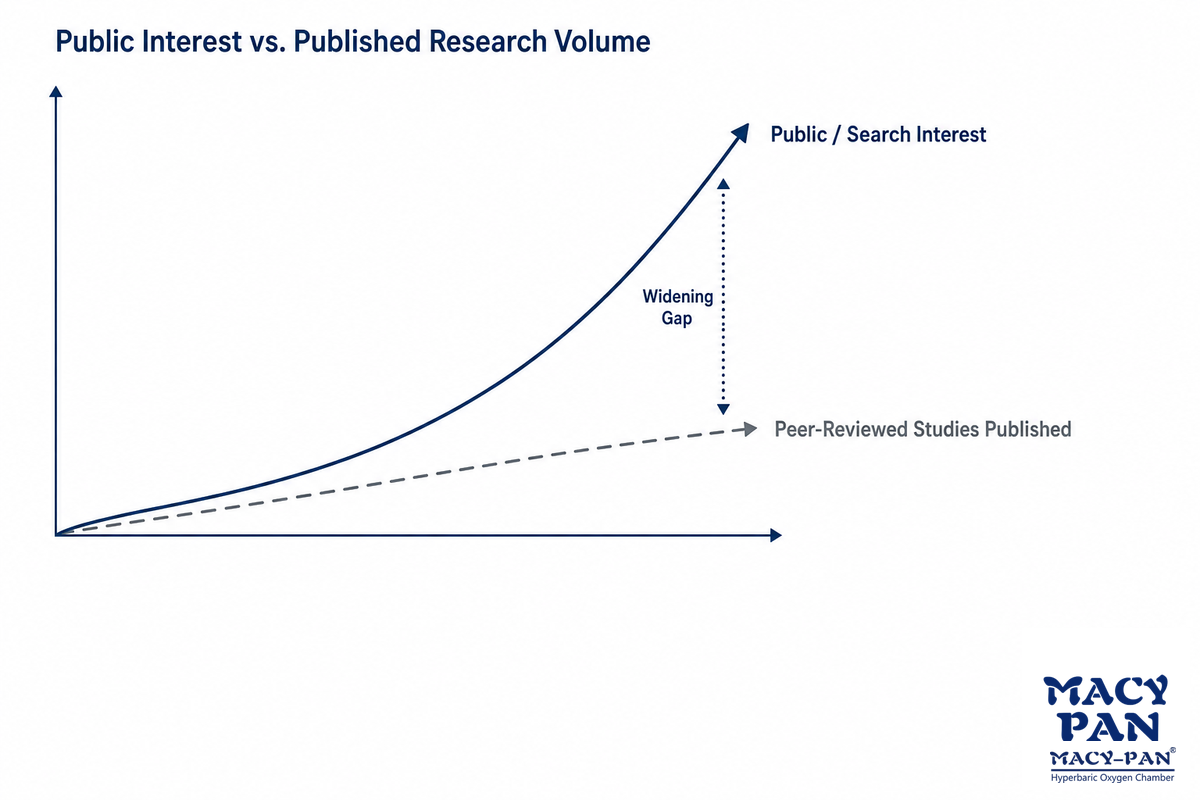
Hyperbaric oxygen therapy has real celebrity awareness and we need to be specific about that since it’s almost never because of “anti-aging.” Michael Phelps publicly talked about his hyperbaric (hbot) use throughout his swimming career for recovery in performance-training contexts – not cosmetic reasons. Justin Bieber has discussed using hyperbaric treatment in the context of Lyme disease and managing anxiety and depression – not skin or longevity goals. Dylan Hartley, the former rugby captain, did a hyperbaric program after several concussions. Not anti-aging uses; it just so happens that those medical practices offer multiple kinds of therapy and a celeb name for one travels farther on social media than their name for another unrelated issue.
One self-experiment does specifically address aging biomarkers: Dr. Joseph Maroon, a neurosurgeon and sports medicine physician who has also tested himself on the exact same research based protocol, and reported his telomere length doubling, as well as between a 7-15% increase in performance – a truly interesting data point in a single person, but inherently an n-of-1 self report.
There’s a similar pattern in how the biohacking community follows trends. In forum discussions around hbot and longevity, people are split between the real study on telomeres (accurately summarized) and the more general, hazy “it reverses aging.” It’s this difference between the exact claim of the research and the popularized summary that I’ve hoped this guide would narrow.
Industry Outlook: Where the Research Is Headed
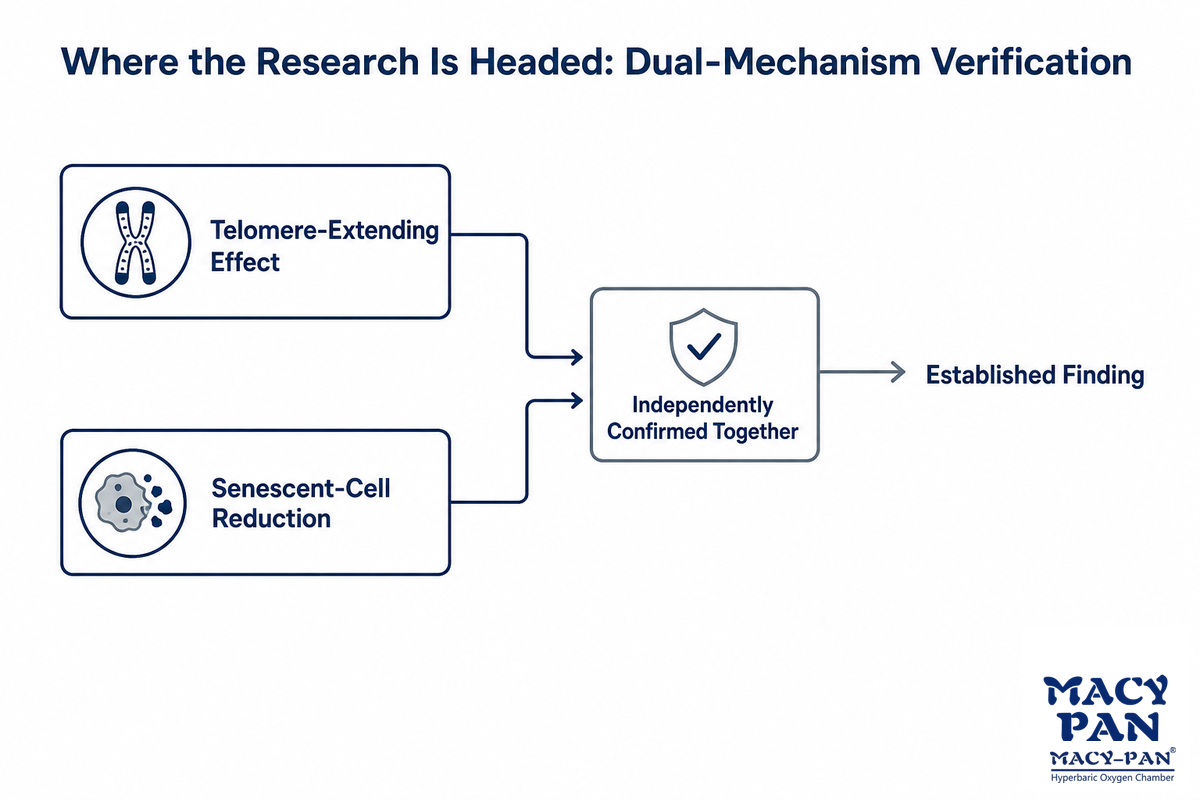
Estimates of market size aren’t the most concrete evidence of the future direction of the field – but where the research keep going is dual mechanism verification rather than single one. A 2024 Frontiers in Aging review frames the research agenda around confirming, through independent studies, both hbot’s telomere-extending effect and its capacity to deplete senescent cells together, not either marker alone. hbot only affecting one biomarker isn’t as convincing as one that affects both, via linked pathways. That’s what independent researchers will need to do to take this research from ‘one team’s preliminary findings’ to ‘well-established fact.’ So, if you’re looking at a Longevity program over the next 1-2 years, it’s worth asking: is this program independently researched and funded apart from the Sagol Center/AVIV Scientific group that pioneered this? The single fact may distinguish credible new research from repackaged old marketing material better than anything else you can ask.
Population-level framing matters too. As aging populations search for ways to slow down the aging process, researchers increasingly track biomarkers of aging – telomere length, senescent cell burden, and other biological signs of aging – as more meaningful endpoints than any single symptom. The physiological mechanism under study is straightforward: at sea level, arterial oxygen already sits close to full saturation, so a normal breath adds little extra oxygen supply to tissue; hyperbaric pressure is what produces a real spike in oxygen pressure. This deliberate shift in oxygen partial pressure, elevated then returned to baseline, creates the fluctuations in oxygen that researchers believe trigger the genetic response, an effect sometimes called the oxygen paradox: a brief episode of increased oxygen levels appears to do more for tissue aging than continuous high-oxygen exposure would. Whether hyperbaric oxygen therapy affects true aging reversal at the organism level, rather than just improving markers in isolated cell populations, remains the open question separating today’s anti-aging and longevity marketing from tomorrow’s regenerative benefits, assuming multi-year human outcome data eventually arrives.
Equipment-wise, the future direction is toward more purpose-built anti-aging chamber designs rather than generic wound-care units – U.S. patent US9919162B2 already describes hyperbaric chamber configurations specifically framed around skin anti-aging applications, distinct from general medical hbot hardware. By way of rough perspective, some estimates of the size of the global hyperbaric oxygen therapy market place it in the mid single digit billions and growing into the late 2020s, a number that’s worth mentioning in passing as background but not in evidence of clinical effect.
In the practical context of 2026, if you are being sold equipment or a program, take whatever protocol is offered, compare it to the 60 sessions, 2 ATA protocol detailed above, ask if the hbot units have FDA Clearance (Product Code CBF), check the accreditation of the facility and view any reported percentage outcome claims as purely marketing rhetoric unless they provide direct citations for their claims.
Frequently Asked Questions
Q: Does hyperbaric oxygen therapy make you look younger?
View Answer
Honest answer: No. There isn’t any peer-reviewed study showing hbot “erases” wrinkles. The peer-reviewed data show repeated hbot sessions can be used to prolong telomeres and deplete senescent (“zombie”) cells in the blood, two markers of biologic age that correlate with skin quality, not direct photo evidence. Chambers marketed purely as skin treatments are overselling a systemic finding.
Q: How many HBOT sessions are needed for anti-aging?
View Answer
Published anti-aging protocols run around 60 sessions over three months – five sessions per week, 2 ATA, roughly 90 minutes per session with a five-minute air break every 20 minutes. That matches the landmark telomere study, not the shorter 10-20 sessions typical for wound-healing indications.
Blood draws in that trial were taken at session 30 and session 60, and the measured telomere and senescent-cell changes grew larger between those two checkpoints – a course that stops at session 30 is, by the trial’s own data, working with roughly half the measured effect. A clinic advertising a short “intro” course for anti-aging is using a materially shorter protocol than the one that produced the published results.
Q: What is the downside of hyperbaric oxygen therapy?
View Answer
The most common side effect is transient middle ear barotrauma, followed by temporary myopia that generally resolves once the course ends. Claustrophobia rules out hard chambers for some patients. Rare, more severe issues include oxygen toxicity and, if equipment is misused or poorly maintained, fire risk from pressurized oxygen – why the FDA recommends a qualified, accredited facility.
Q: Does insurance cover HBOT for anti-aging?
View Answer
Almost never. In the US, insurance coverage for hyperbaric therapy — including Medicare’s — is built around a specific list of FDA-indicated medical conditions, such as a wound, decompression sickness or carbon monoxide poisoning. Anti-aging use and the longevity “protocol” are elective and considered off-label, and thus you will pay out-of-pocket, typically $100-$600 or more per session at a medspa or longevity clinic.
Q: What is anti-aging oxygen therapy?
View Answer
It’s standard hyperbaric oxygen therapy – breathing high-concentration oxygen at greater-than-normal atmospheric pressure – deliberately aimed at biological aging markers such as telomere length and senescent cell burden, rather than at a specific injury or medical condition. The protocol and equipment are the same; only the target outcome and the marketing framing differ.
Q: At what age should I start HBOT for anti-aging?
View Answer
There isn’t a defined published age threshold. Researchers behind the original human telomere study chose participants aged 64 and older – an age at which cellular aging biomarkers would already be present and more likely to be affected. It’s not to say a younger individual wouldn’t benefit or show some measurable effect; there simply haven’t been studies to determine an optimal age at which to start.
Considering a hyperbaric oxygen therapy for your medspa, clinic, or wellness program?
Check out MACY-PAN’s Medical Grade anti-aging Hyperbaric Chambers with certified quality management system support, direct from factory and built to the same pressure specs discussed here.
Why We Write This
MACY-PAN manufactures a full range of medical-grade hyperbaric oxygen therapy chambers, including models used for cosmetic and anti-aging treatments. We therefore have a direct business interest in this technology. This article separates the research data from claims that are marketing hype. Our own evaluation of the original studies (including highlighting unsubstantiated figures like 76.6% collagen increase) informed our scoring system. (Updated July 2026).
Reviewed by the Shanghai Baobang Medical Equipment Co., Ltd technical team.
References & Sources
- Hachmo et al., “Hyperbaric oxygen therapy increases telomere length and decreases immunosenescence in isolated blood cells: a prospective trial,” Aging (2020) — Impact Journals / Aging (Albany NY)
- Hachmo et al., “The effect of hyperbaric oxygen therapy on the pathophysiology of skin aging: a prospective clinical trial,” Aging (2021) — Impact Journals / Aging (Albany NY)
- Fu, Duan, Sun & Li, “Hyperbaric oxygen therapy for healthy aging: From mechanisms to therapeutics,” Redox Biology (2022) — National Library of Medicine / PMC
- Gupta & Rathored, “Hyperbaric oxygen therapy: future prospects in regenerative therapy and anti-aging,” Frontiers in Aging (2024) — Frontiers
- HBO Indications — Undersea & Hyperbaric Medical Society (UHMS)
- Follow Instructions for Safe Use of Hyperbaric Oxygen Therapy Devices — U.S. Food and Drug Administration (2025)
- Hyperbaric Oxygen Therapy: Evidence-Based Uses and Unproven Claims — Harvard Health Publishing (2024)
- Overhyping the Effects of Hyperbaric Oxygen Treatment on Aging — Fight Aging!
- Hyperbaric Oxygen Therapy Associated With Increased Telomere Length, Study Summary — Examine.com
Related Articles
- Hyperbaric Chambers for Skin, Beauty & Anti-Aging — MACY-PAN’s application solution page, chamber selection and ATA/pressure guidance for beauty-and-anti-aging buyers
- Hyperbaric Chambers by Pressure (ATA) — how 1.3 ATA, 1.5 ATA, and 2.0 ATA chamber classes differ
- Hyperbaric Chamber Manufacturer, MACY-PAN — factory-direct, certified quality management system medical-grade chamber catalog
- Hyperbaric Chambers for Wellness Centers
- About Shanghai Baobang Medical Equipment Co., Ltd
![Decision lenses: occupancy, gas path, access, staffing, facility interfaces, and exact-model evidence [article].](https://macypansolutions.com/wp-content/uploads/2026/10/monoplace-vs-multiplace-hyperbaric-chambers-featured-1-768x512.png)