Get in Touch with MACY-PAN Company

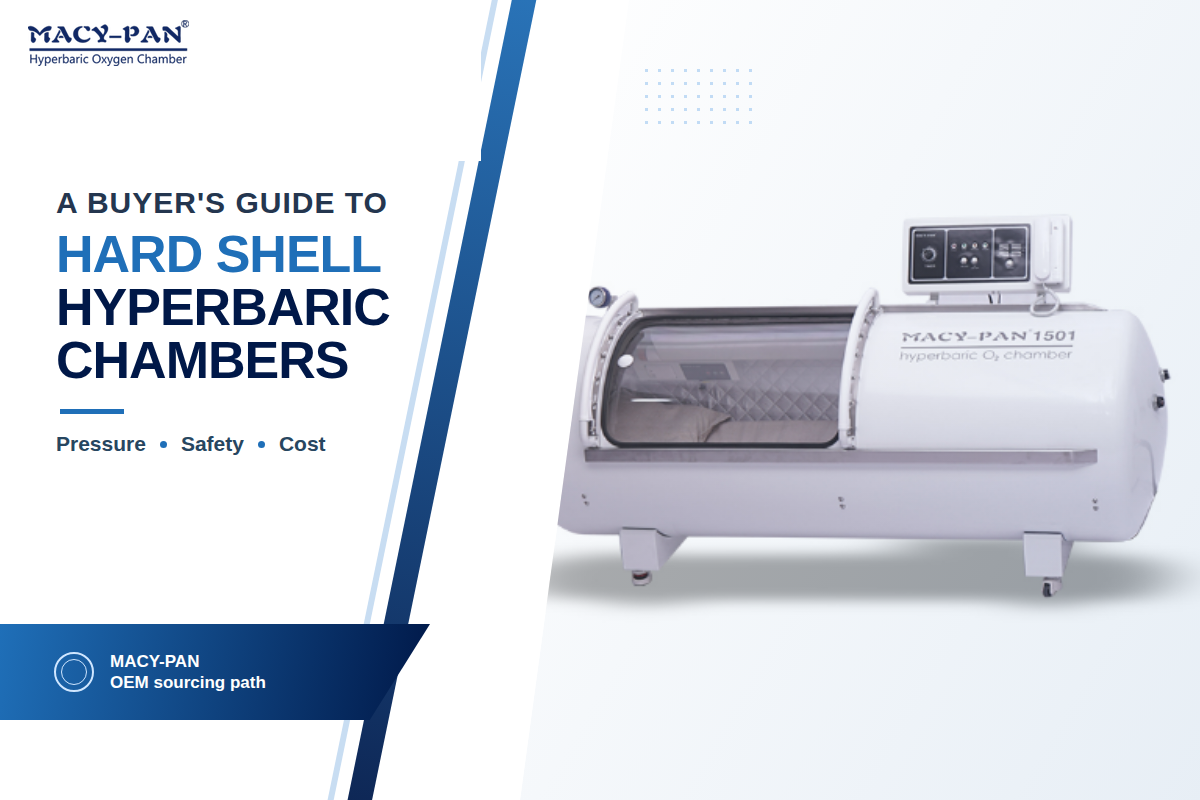
On the outside, a hard shell hyperbaric chamber is simple: a stiff chamber body, a door, some gauges, oxygen delivery, and a way to manage pressure. Actually buying one isn’t so simple. If you are purchasing for a clinic, wellness center, dealer, or as an OEM, you need to research the rated pressure, intended use, market records, install, service, and cost landed before you even begin to compare quotes.
This guide is written for equipment purchasers, not medical advice, on how to read hard-shell chamber claims, how those claims compare to a soft-shell chamber, and what to ask for before you make an RFQ for a hard-shell system from the manufacturer. It is not a protocol guide for hyperbaric therapy, and it does not claim that any hyperbaric oxygen chamber treats medical conditions; buyers should verify intended use and local device rules before purchase.
Quick Specs: What Buyers Usually Need to Confirm
| Primary buying question | Does the chamber match the intended use, pressure range, facility file, and support plan? |
| Common hard-shell pressure class | Many commercial hard-shell models are evaluated around 1.5-2.0 ATA; exact rated and working pressure must be confirmed by model. |
| Regulatory checkpoint | For U.S. medical use, FDA-cleared HBOT devices are Class II devices cleared through the 510(k) process. |
| Standards checkpoint | Ask how the supplier handles NFPA 99 and ASME requirements for the chamber and the installation context. |
| Best use for this article | Use it as a pre-RFQ checklist before talking with a chamber manufacturer, reseller, or OEM supply partner. |
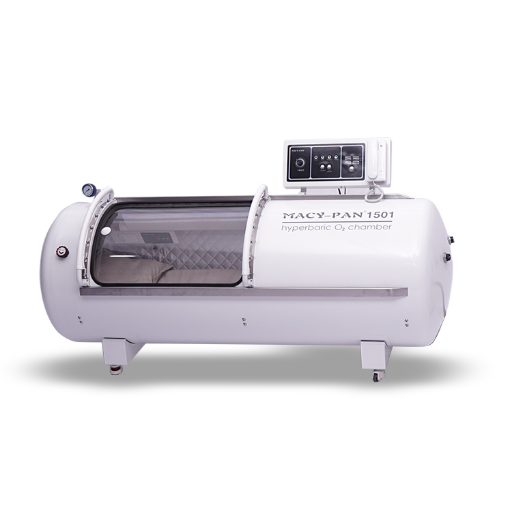
What Is a Hard Shell Hyperbaric Oxygen Chamber?
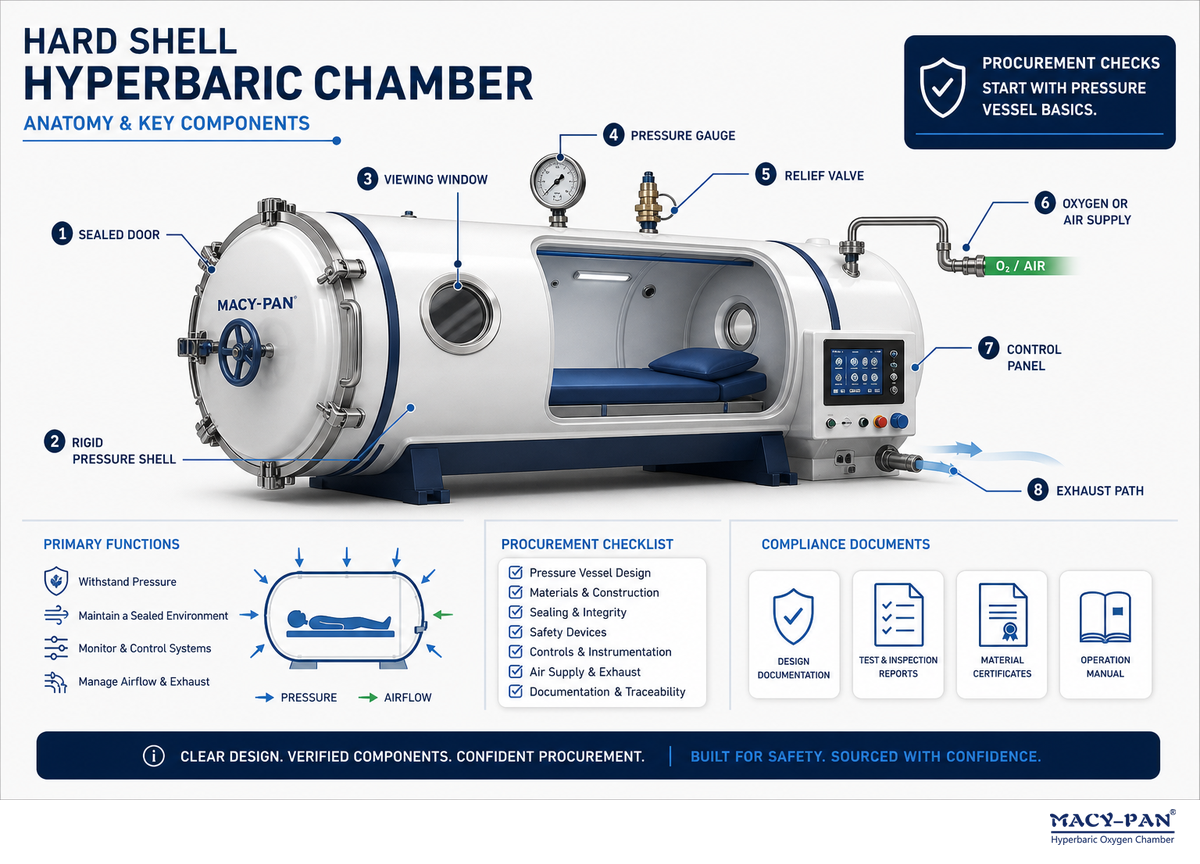
A hard shell hyperbaric chamber, practically speaking, is a pressure vessel, or a closed container that maintains internal pressure when occupied by a person. The essential parts of the system are the pressure shell (chamber body), a pressure-resistant door, seals, a viewing window (sometimes), pressure gauges, a pressure relief device, oxygen/air supply equipment, and controls to regulate pressurization and depressurization.
Shell integrity matters, because a person is located within the pressurized environment. But knowing only that it’s a hard shell isn’t sufficient. Regardless of the structure’s appearance, you need to consider its rated pressure, its stated purpose, the delivery of oxygen, and its status in your local market.
Is every hard shell chamber a medical-grade chamber?
No. “Hard shell” simply means the vessel is a rigid enclosure. It doesn’t guarantee that it’s FDA-cleared, ASME PVHO-compliant, has quality-system coverage like certified quality management system, or is suitable for clinical use. Consider “hard shell” to be the beginning of your RFQ.
Engineering Note
Ask for the rated pressure, normal working pressure, the pressure relief settings, pressure gauge arrangement, the depressurization schedule, cleaning instructions, and maintenance interval of the specific model you’re interested in. Brochure numbers aren’t good enough for your facility file.
Hard and Soft Shell Chambers: The Difference Buyers Feel
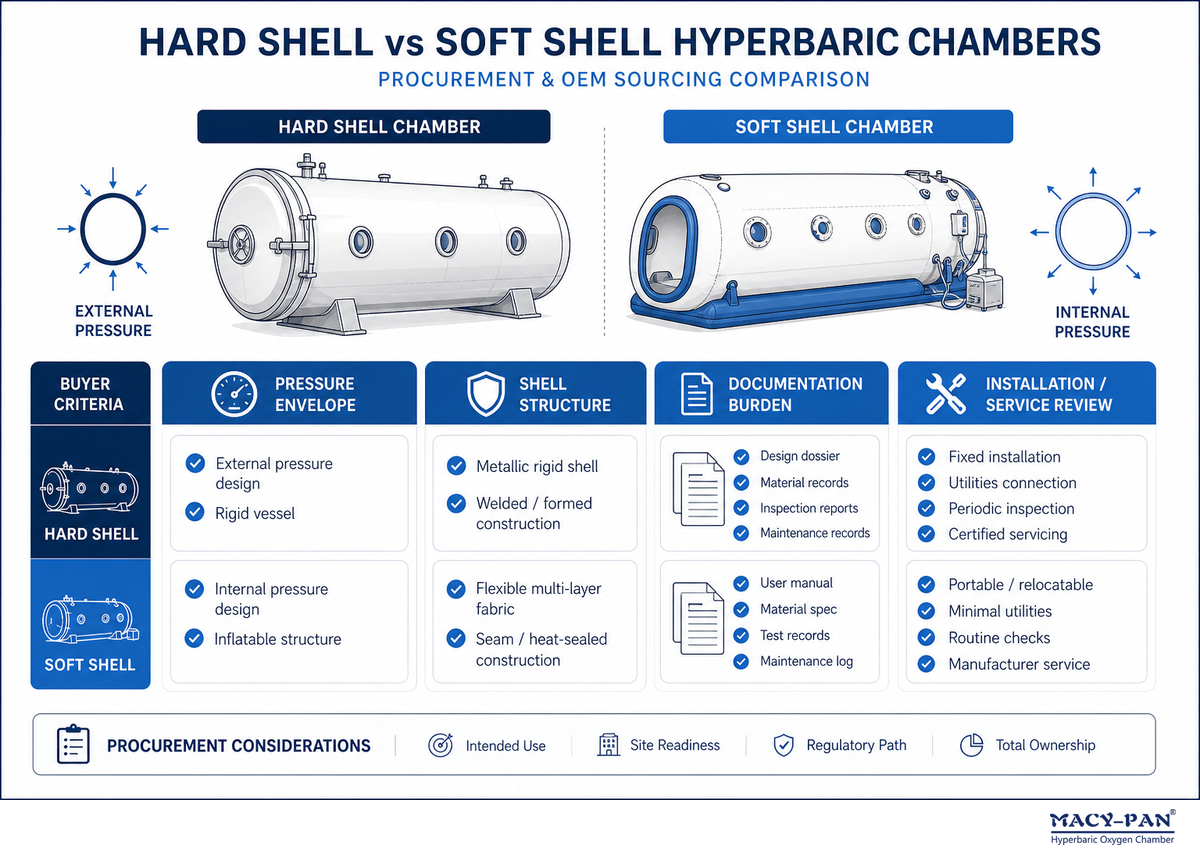
Soft and hard shell chambers serve different functions. Soft shells can be more mobile, and might be appropriate for mild wellness applications, depending on local regulations. In most cases, an inquiry about a hard-shell chamber means the pressure, cleaning requirements, service intervals, administrative burden, or use case necessitates a rigid enclosure.
These official warnings illustrate how much more serious this is than just product preference. In 2026, Health Canada warned about potential health risks from unauthorized soft-shelled hyperbaric chambers and discouraged their use in Canada. Likewise, the FDA device classification entry for hyperbaric chambers supports the Class II / 510(k) context, while FDA safety guidance reminds health professionals about manufacturer instructions, fire precautions, proper grounding, monitoring of patients, cleaning and maintenance, and staffing requirements for HBOT systems.
Hard-shell advantages
- Rigid pressure boundary for higher-pressure model classes.
- Suits clinics better. Also works for repeat commercial use and detailed record keeping requirements.
- Has more capacity for secondary safety measures like redundant gauges, safety valves, monitoring systems, and service access.
Hard-shell limits
- Higher landed cost than many soft-shell units.
- Requires more planning due to space requirements, shipping, installation, training, and service needs.
- Still subject to local market approval; “hard shell” does not guarantee it.
| Buyer question | Hard shell chamber | Soft shell chamber |
|---|---|---|
| Pressure boundary | Rigid shell, door, seal, gauges, and relief systems. | Flexible wall and zipper-style closure in many models. |
| Use-case fit | Clinic, wellness center, distributor, OEM, and high-use buyer evaluation. | Lower-pressure wellness or portability use where local rules allow it. |
| Evidence to request | Model records, pressure tests, service plan, quality certificates, market documents. | Authorization status, intended use, cleaning, grounding, oxygen setup, operator instructions. |
| Main hidden risk | Assuming a rigid shell proves clearance or installation readiness. | Assuming a lower-pressure device can serve the same role as a hard-shell clinic asset. |
The distinction is not simply a matter of pressure. Some soft-shell systems and lower-pressure hard shells can be in a comparable operating range to one another, with high-pressure professional systems operating at higher pressures. However, factors such as construction material, intended use, regulatory status, and facility needs combine to form the basis of your purchasing decision.
Which is better, hard shell or soft shell?
The best answer is “it depends.” It depends on the intended use case and what the burden of proof will be. If a buyer wants higher pressures, to use commercially regularly, to have formal facility processes, support from a distributor, or OEM paperwork, then a hard-shell chamber will likely be the more serious purchase decision to start. For lower-pressure wellness and for a more portable unit, one might discuss soft shell devices, but regulations, safety process, and authorization would still need to be reviewed.
Who Actually Needs a Hard Shell Hyperbaric Chamber?
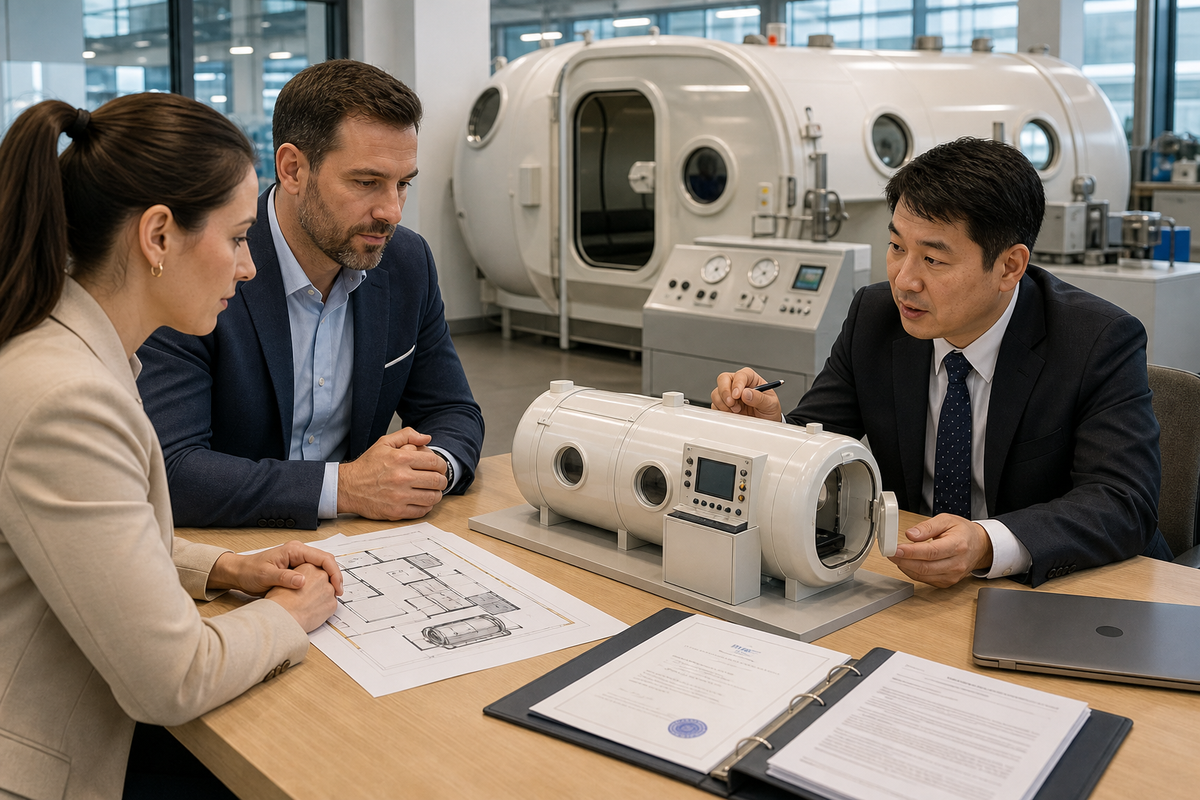
Four different ways to view a single chamber: Clinics – how they support patient flow and oversight. Wellness – revenue per room, staff processes. Distributors – warranty, paperwork, and future orders. Consumers – personal room fit, comfort and equipment use in the home.
| Buyer type | What they should decide first | Proof to request |
|---|---|---|
| Clinic or medical practice | Intended use, local medical-device rules, supervision, facility readiness. | 510(k) or market documents where required, manufacturer instructions, staff training plan, maintenance schedule. |
| Wellness center | Session model, room fit, operator workflow, cleaning and client screening. | Operating instructions, safety checks, service response, client-use boundaries, warranty terms. |
| Distributor or OEM buyer | Product range, document package, customization path, spare-parts supply, landed cost. | Factory certificates, model matrix, export records, OEM terms, private-label scope, parts lead time. |
| Hospital procurement lead | Whether the chamber fits the intended department, room plan, supervision model, and purchasing policy. | Model-specific clearance or registration files, installation notes, service contract, user manual, and warranty route. |
| Compliance or quality manager | Which claims can be used in the destination market and which documents must stay on file. | Quality-system certificate, declaration files, labeling scope, intended-use statement, and revision-controlled manuals. |
| Facility or operations manager | Room access, power, ventilation, oxygen handling, cleaning workflow, staff movement, and emergency procedure fit. | Site-preparation guide, electrical requirements, maintenance intervals, safety checklist, and operator training materials. |
| Private-label brand owner | Branding boundary, packaging scope, documentation responsibility, after-sales ownership, and repeat-order consistency. | OEM agreement, artwork process, model BOM boundary, spare-parts policy, inspection record, and export document sample. |
| Advanced home buyer | Fit, access, intended use, medical supervision, service access, local rules. | Instructions for use, service plan, power requirements, safety guidance, support contacts. |
Buyers evaluating supply chain partnerships instead of a single retail device will want to head over to the MACY-PAN hard shell hyperbaric chamber OEM and wholesale page, the first hand-off for those who want to review the options and internal process for OEM/ODM, white label, distribution, or wholesale options across all product ranges including soft, hard, multi-place and veterinary models.
Pressure Range: How 1.5 ATA and 2.0 ATA Claims Should Be Read
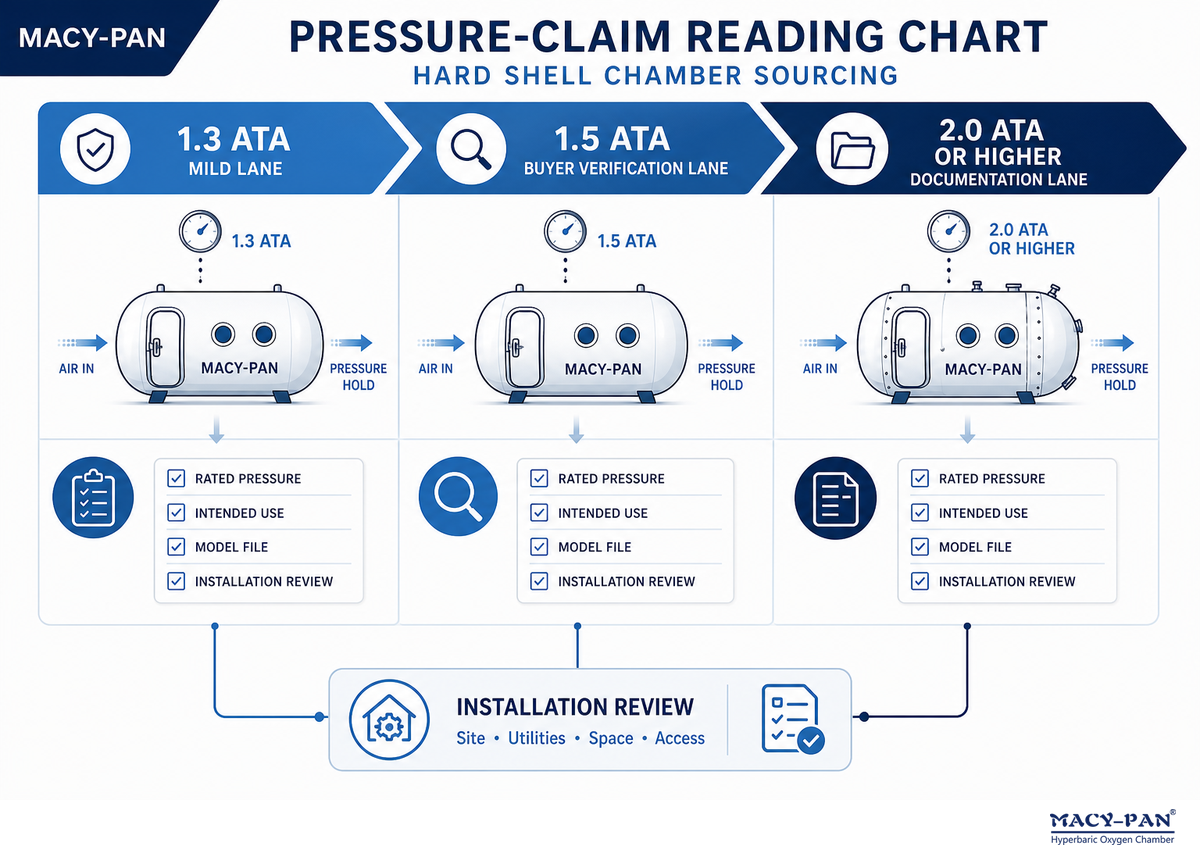
Although one of the first numbers listed by many manufacturers, pressure rating should not be interpreted in isolation. Ask three separate questions of the equipment supplier: what pressure is the chamber rated for? What pressure is required for the intended use and/or business model? What records or data exist to support that pressure level use in the target market?
MACY-PAN’s hard-shell page presents several 1.5 ATA and 2.0 ATA product lines, including seated, lying, stretcher, and multiplace layouts. Being able to separate a lower-pressure wellness room from a higher-pressure clinical room or higher-throughput room helps buyers avoid forcing one device into every role and application.
Is 2.0 ATA always better than 1.5 ATA?
No. It is not a bigger number = better number situation. For some professional and clinical uses a 2.0 ATA chamber might be needed, but it creates a whole other set of issues including the need for oversight, record keeping, facilities requirements, etc. A lower pressure 1.5 ATA may be a better fit for a wellness application or for use in a small space.
Pressure decision rule
- Write down the intended use case (wellness, recovery, clinical, distributor sales, or OEM).
- Request both rated and operating pressures.
- Research and confirm your local market and facility regulations before using the pressure rating as a justification.
- Compare service support and spare parts before comparing price.
Buyer Glossary: Oxygen Concentrator, Soft-Sided Chambers, and Medical Terms
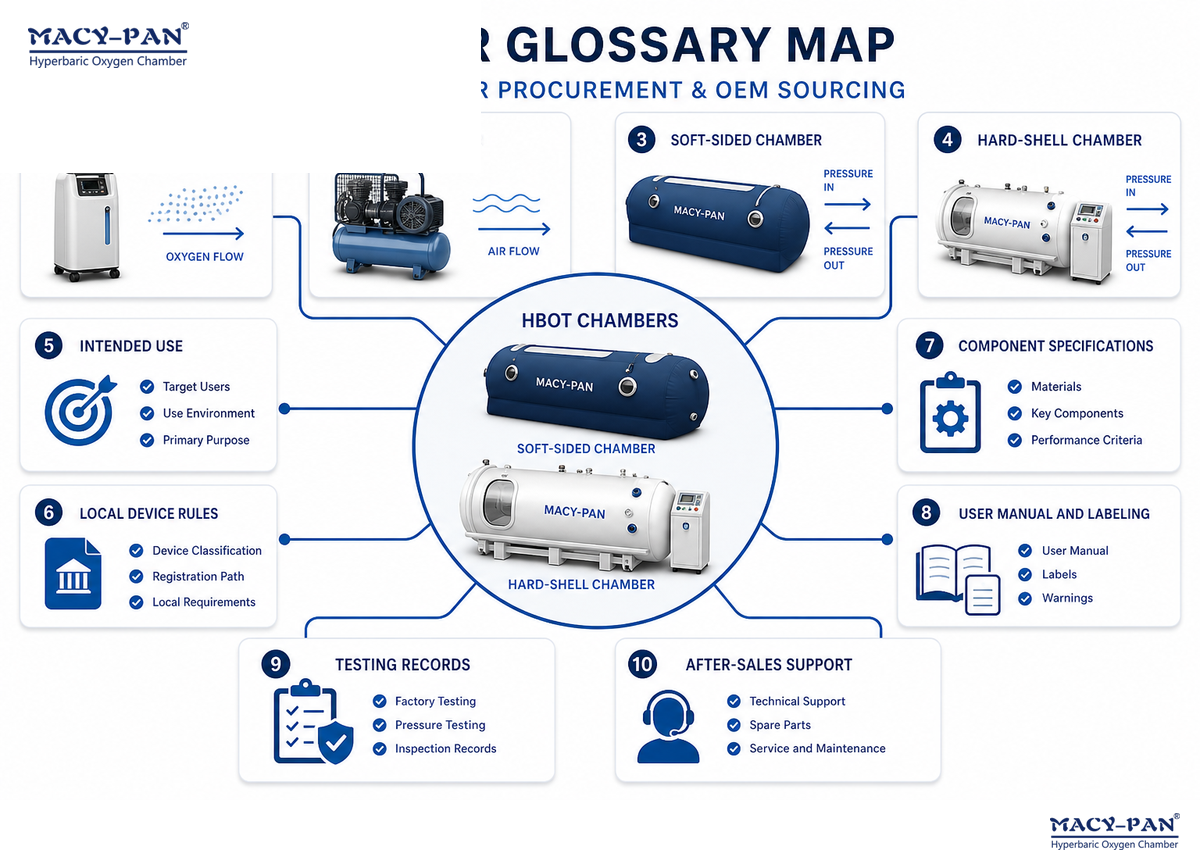
Procurement teams often see wellness, clinical, and engineering phrases mixed together. Treat these words as due-diligence prompts, not proof that a chamber fits a use case. For the difference between hard shell vs soft shell products, be careful with claims such as 2.4 ATA or higher or hard-shell hyperbaric oxygen therapy; those phrases need a model-specific file, not a brochure shortcut.
| Phrase buyers may see | How to read it before an RFQ |
|---|---|
| 1.3 ATA, mild hyperbaric, portable hyperbaric, portable chambers, hyperbaric oxygen chambers for home, home use, atmospheric pressure. | These phrases often appear around soft chambers or lower-pressure models. Do not compare them directly with a hard-shell chamber until the rated pressure, intended use, and local rules are clear. |
| Oxygen concentrator, oxygen mask, oxygen concentration, oxygen levels, normal air, inside the chamber, air inside the chamber. | Ask whether the person breathes chamber air, supplemental oxygen, or oxygen through a mask, and ask how the supplier verifies the delivery setup for the exact model. |
| Altitude sickness, decompression sickness, divers and mountain climbers, wound care, blood oxygen, arterial oxygen levels, bacterial and fungal growth, clinical settings, medical-grade devices, FDA-approved. | These terms belong in a regulated-use discussion. In U.S. medical use, do not rely on the phrase FDA-approved as a shortcut; ask whether the exact device is FDA-cleared through 510(k). |
| Hard-shell hyperbaric oxygen chamber, hard shell hyperbaric oxygen chamber, hard-shell hyperbaric oxygen chambers, hard hyperbaric chambers, hard hyperbaric oxygen chambers, hard-sided chamber, hard shell HBOT, hyperbaric oxygen therapy chambers, HBOT treatment, hyperbaric chambers are available. | These naming variants may describe different products in different markets. Match the phrase to a model number, pressure rating, vessel file, service route, and buyer responsibility. |
| Benefits of hyperbaric oxygen therapy, hyperbaric oxygen therapy increases, hyperbaric oxygen therapy treats, hyperbaric oxygen therapy typically, breathing pure oxygen, involves breathing pure oxygen, pure oxygen in a pressurized environment, oxygen in a pressurized environment, hyperbaric oxygen treatment. | These are therapy-context phrases. Equipment buyers should separate therapy claims from procurement facts and confirm which statements apply to the chamber, the protocol, and the destination market. Claims such as “2 to 3 times higher” or “3 times higher than normal” need source and protocol context. |
Safety and Certification Checklist for HBOT Chambers Before You Buy
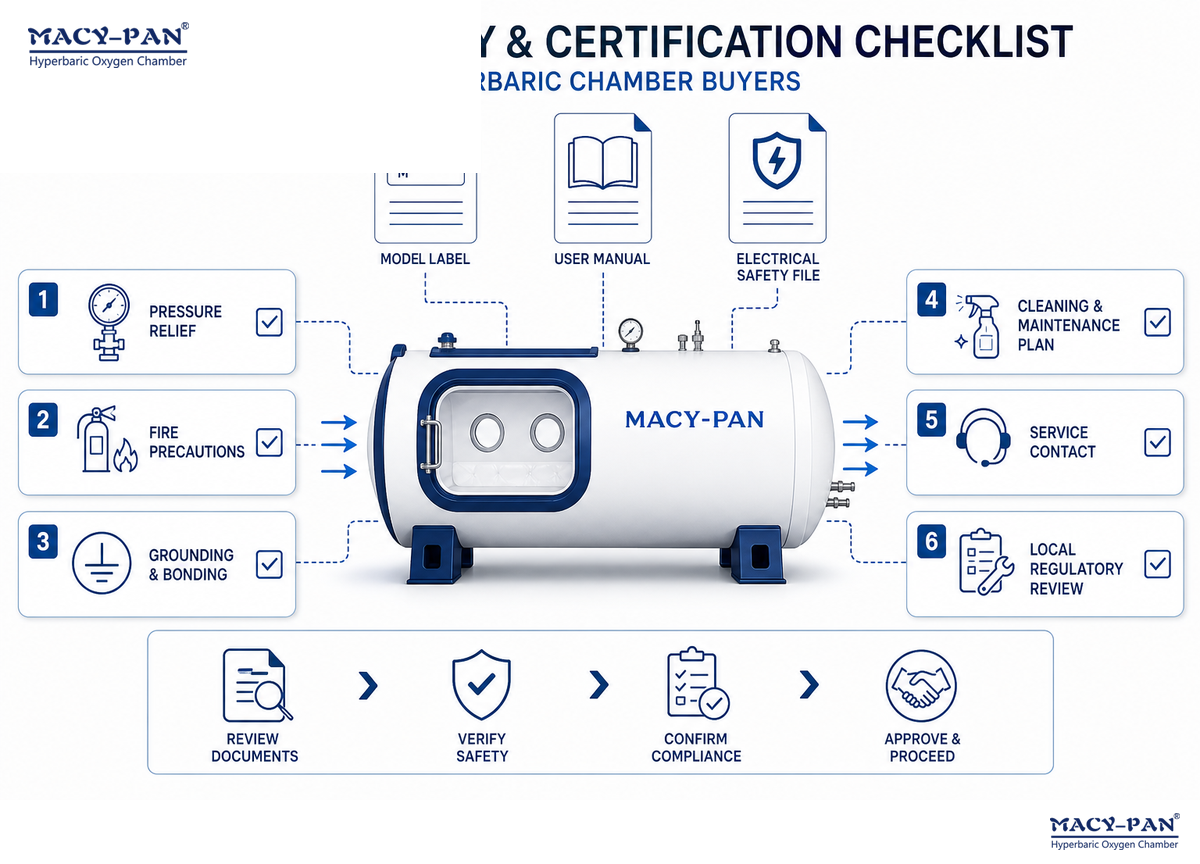
The 2025 FDA safety advisory has prepared an excellent checklist for buyers to consider: always follow the manufacturer’s directions for safe and effective operation; implement fire safety procedures and measures; ground equipment; provide adequate patient and operator training; monitor patients; adhere to manufacturers’ recommended cleaning and maintenance schedules; and perform routine safety checks on all HBOT equipment. These points serve as both a buyer checklist and operator guidelines.
Similarly, the Undersea and Hyperbaric Medical Society 2025 consumer warning points buyers toward NFPA 99 from the National Fire Protection Association and ASME when equipment involves human occupants, oxygen, pressure, and hazards associated with electricity, fire, and gases. As a serious purchaser, you’ll want to ask your equipment vendor for evidence demonstrating the applicable requirements and regulations for your country, facility, model of choice, and proposed use.
When you hear a supplier mention ASME or NFPA 99, you should treat that as the beginning of verification. Ask if the supplier is referencing the chamber body, installation, working environment, or the product line’s entire quality package.
| Hidden bottleneck | When it appears | Owner | Buyer action |
|---|---|---|---|
| Market document gap | The quote says “medical-grade,” but model-specific clearance or registration evidence is missing. | Compliance | Ask for documents by model, intended use, and destination market. |
| Facility safety gap | Room, grounding, electrical, fire, oxygen, cleaning, or staff process is not ready. | Operations | Review manufacturer instructions and facility rules before deposit. |
| Pressure-vessel evidence gap | Supplier shows a pressure number but not the vessel standard, test method, or relief setup. | Engineering / facility lead | Request rated pressure, test record, relief-valve data, and applicable PVHO evidence. |
| Service bottleneck | A low purchase price hides weak parts supply, slow support, or unclear warranty terms. | Finance / owner | Compare warranty, spare-parts lead time, remote support, and repair route before price. |
How Much Does a Hard Shell Hyperbaric Chamber Cost?
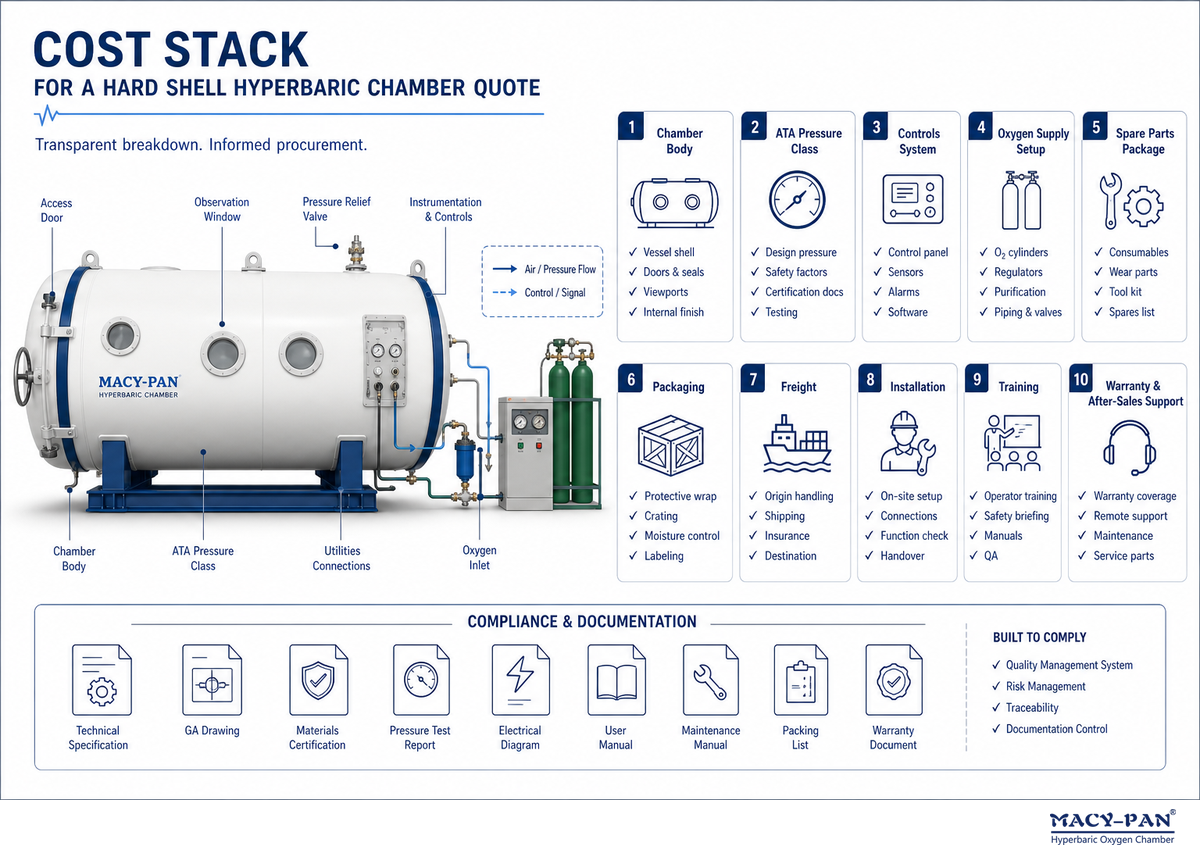
The cost for a hard shell hyperbaric chamber can vary widely, as the quote is for more than just the chamber vessel. Included components range from pressure class and chamber dimensions to oxygen supply setups, control systems, technical files, freight, post-sale service, warranty coverage, and even original equipment manufacturer (OEM) branding. While retail listings online can offer some reference, they are not a substitute for a quote that is specifically tailored to your selected model.
For those of you shopping around between suppliers, the relevant inquiry isn’t, “what is the least expensive hard-shell chamber?” but rather, “which quote includes the same pressure rating, chamber capacity, record package, scope of support, and assumptions on delivered cost?”
| Quote line item | What to normalize | Why finance cares |
|---|---|---|
| Pressure and capacity | Rated pressure, working pressure, monoplace or multiplace capacity. | This decides revenue model, room plan, and whether quotes are comparable. |
| Oxygen and controls | Oxygen delivery setup, gauges, relief valves, backup operation, communication features. | Support cost rises when components are difficult to source or service. |
| Documents | certified quality management system, CE, ASME/PVHO evidence where applicable, test records, manuals. | Missing documents can delay import, installation, or facility approval. |
| After-sales support | Warranty, spare parts, response time, local or remote technician path. | Downtime can exceed the savings from a lower unit price. |
Why do hard shell chamber prices vary so much?
At first glance, two quotes for hard-shell chambers may appear quite similar. One might feature a single-user 1.5 ATA chamber accompanied by a limited set of documents. The alternative may consist of a 2.0 ATA chamber that is supported by a detailed safety file, a different oxygen delivery setup, export clearance documents, and provisions for parts support. The disparities in pricing directly reflect the shifting nature of the risks being transferred.
How to Evaluate a Hard Shell Hyperbaric Chamber Manufacturer
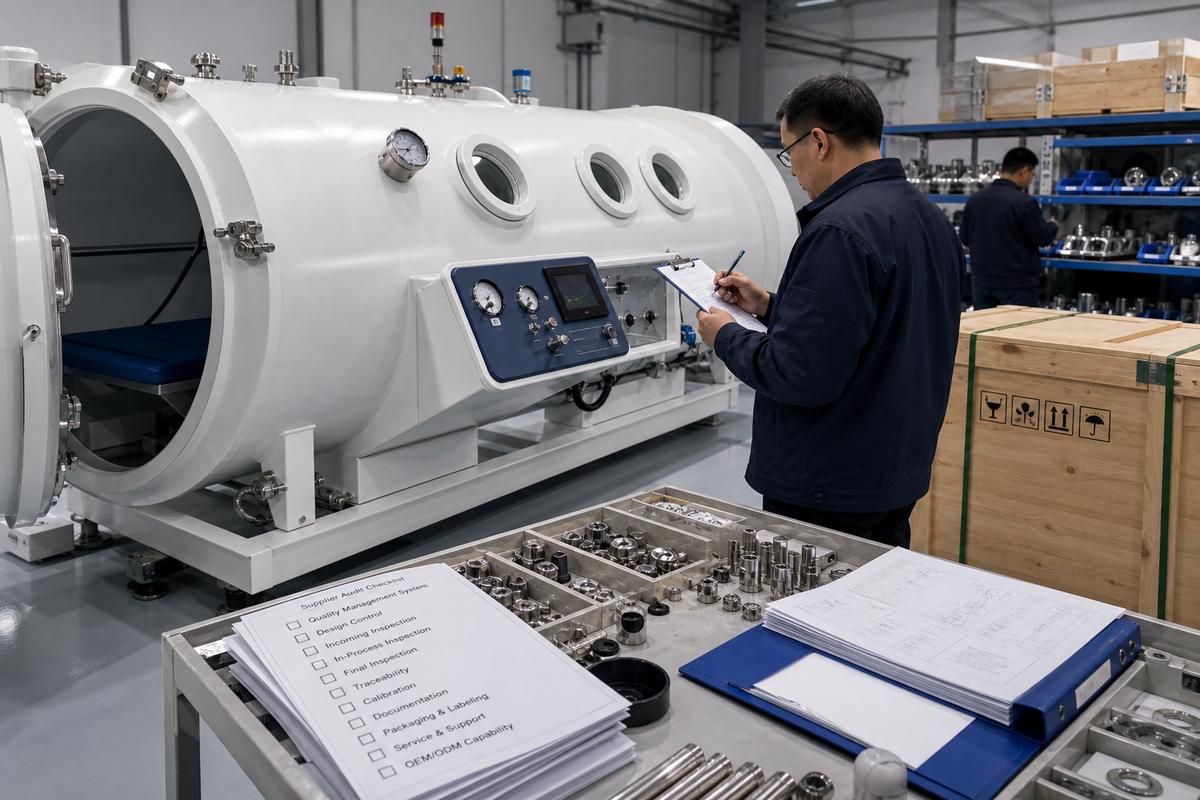
A credible manufacturer should help customers verify claims without making them chase basic files. This involves providing clear boundaries between distinct models, readily available pressure specifications, quality management system documents, evidence of product testing, OEM responsibility notes, expected delivery timelines, after-sales terms, and a support route that does not force customers through a reseller intermediary.
MACY-PAN, operated by Shanghai Baobang Medical Equipment Co., Ltd, presents itself as an experienced HBOT chamber manufacturer, with export coverage across more than 126 countries and OEM/ODM production for soft, hard, multiplace, and veterinary chamber types. While these first-party assertions are informative, it’s prudent for any prospective buyer to request specific, up-to-date files for the model under consideration prior to making a purchase.
| Hard-shell chamber fit scorecard | Ask the supplier | Acceptable proof |
|---|---|---|
| Use-case fit | Which model fits clinic, wellness, home, distributor, or OEM use? | Model matrix with pressure, capacity, footprint, and intended-use notes. |
| Quality file | Which certificates and test records apply to this exact model? | Current ISO 13485 or equivalent QMS evidence, CE files where relevant, pressure test records, manuals. |
| OEM path | What can be private-labeled, customized, translated, or packed for local sale? | Written OEM scope, sample process, artwork rules, packaging details, minimum order terms. |
| Support path | Who answers technical issues after installation? | Warranty terms, spare-parts list, service contacts, response time, remote support path. |
When sourcing through an OEM or distributing their products, you should scrutinize MACY-PAN’s MACY-PAN OEM and wholesale hyperbaric chamber supply channels. Then, request the quote package that is tailored to your preferred pressure range, desired branding, and target market.

Buying Checklist Before You Request a Quote
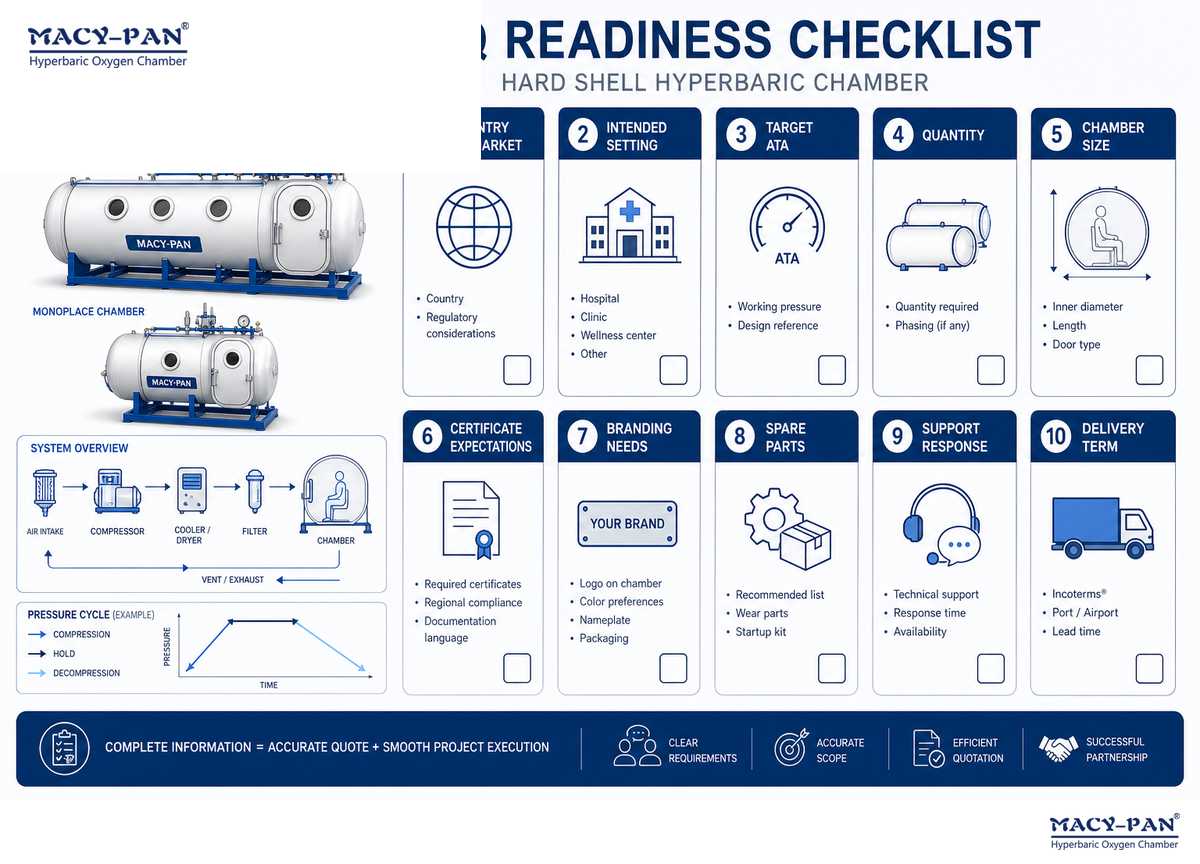
Use the following checklist before submitting a request for quotation (RFQ), so the replies can be compared later.
RFQ checklist
- Clearly indicate whether the buyer is a clinic, wellness center, distributor, OEM brand, or private user.
- Specify your desired pressure and ask the supplier to provide a quote for the 1.5 ATA, 2.0 ATA, or both models.
- Request dimensions, information on fitting through doorways and into rooms, power requirements, and installation guidance.
- Inquire about the document package for the exact model you are interested in, rather than solely company certifications.
- Request cleaning, maintenance, grounding, staff training, and safety-check instructions.
- Ask for warranty terms, spare-parts list, and support route.
- For OEM orders, ask about branding capabilities, packaging, user manual content, available color options, minimum order quantities (MOQs), sample availability, and delivery timeframes.
- If you are a distributor, find out how many chamber families the supplier can accommodate under a single purchase program.
The MACY-PAN website offers helpful resources for buyers to explore before submitting an RFQ, including a hard-shell chamber selector, a clinic HBOT ROI calculator, and a hard vs soft ATA pressure advisor.
Request a factory quote
Before requesting price information for hard-shell chambers for your clinic, wellness center, distributor program, or private-label brand, please provide details on your target pressure, capacity, market, and branding preferences.
2026 Buyer Outlook: More Scrutiny, Better Sourcing Questions
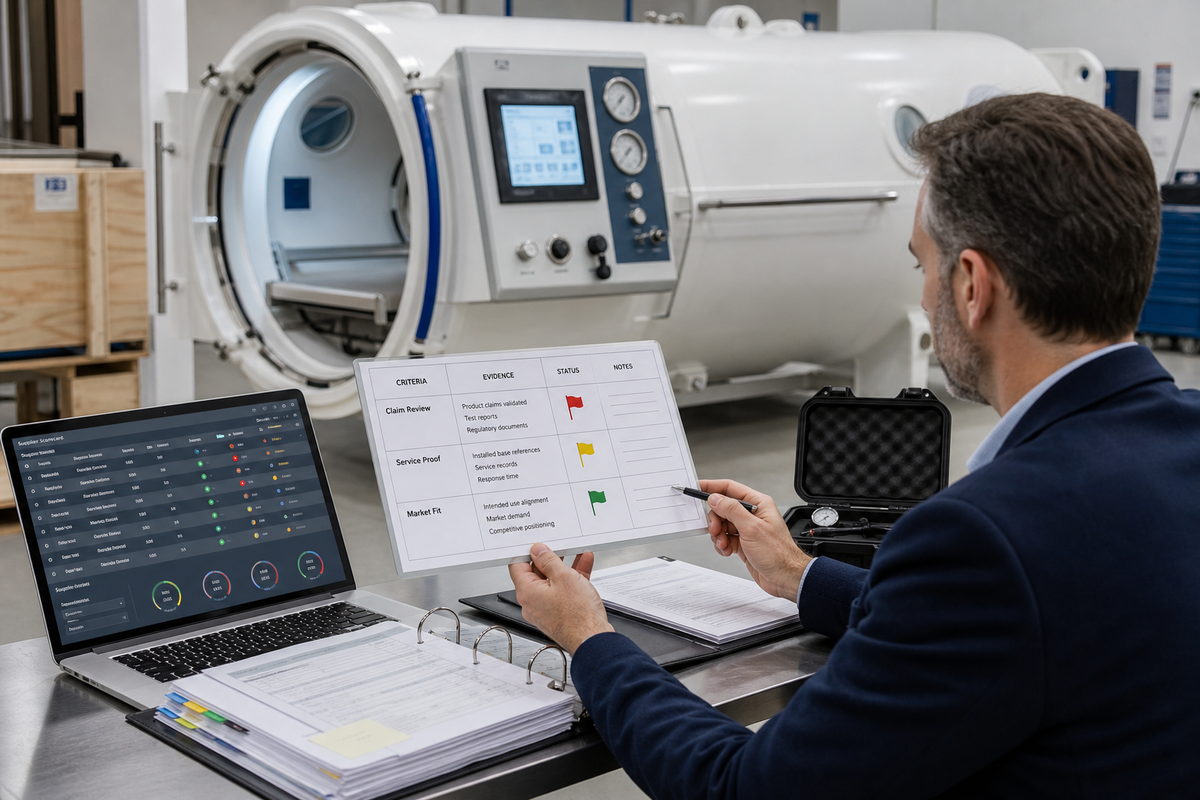
Buyers should anticipate increased attention to hyperbaric equipment claims during the 2026 sourcing process, especially concerning any soft-shell devices being marketed for broad health uses. Health Canada’s June 2026 advisory is one clear indicator of regulatory attention to unauthorized soft-shelled chambers. An earlier FDA 2025 letter is a good reminder for all providers and facilities that the safe operation of equipment relies on proper instructions, fire prevention measures, grounding, staff training, monitoring, cleaning, maintenance, and regular safety checks.
In practice, the best supplier for your needs is not always the lowest-priced option, but the one that helps you answer all your questions related to pressure, record-keeping, service, import, and operation before the chamber arrives.
FAQ: Hard Shell Hyperbaric Chamber Buying Questions
Q: Which is better, a hard shell or soft shell hyperbaric chamber?
View Answer
Hard-shell chambers usually fit buyers who need higher pressure, repeated commercial use, facility planning, or OEM/distributor support. Soft-shell units may fit lower-pressure wellness or portability use where authorization, instructions, and local rules allow.
Q: How much does a hard shell hyperbaric chamber cost?
View Answer
The cost varies depending on pressure rating, size, capacity, oxygen setup, control type, certifications offered, freight charges, warranty period, and availability of spare parts or OEM customization. Public price lists are merely market context; to obtain a real comparison, insist that every supplier quote on the exact same pressure class, capacity, record set, service scope, and shipping terms.
Q: Is a hard shell hyperbaric chamber safer than a soft shell chamber?
View Answer
Not by shell type alone. Safety depends on the model, intended use, facility layout, grounding, fire precautions, maintenance, staff training, and monitoring.
Q: What certifications should a hard shell hyperbaric chamber supplier provide?
View Answer
Request specific files for each model you consider. Start with the model name, rated pressure, intended-use statement, operating manual, service manual, pressure test record, electrical and safety notes, and the quality-system certificate that actually covers the device family. Depending on the destination market, you may also need CE files, certified quality management system evidence, ASME or NFPA 99 support materials, import documentation, and translated labeling. For U.S. medical applications, verify whether the exact equipment setup is FDA-cleared through 510(k), rather than accepting a general company certificate.
Q: Can a hard shell hyperbaric chamber be customized for OEM or wholesale supply?
View Answer
Yes, if the manufacturer has a defined OEM/ODM program. Confirm MOQs, branding rights, sample policy, paperwork responsibility, and lead time in writing.
Q: Do I need FDA 510(k) clearance for every hard shell chamber?
View Answer
No universal answer applies across every buyer and every country. For U.S. medical-device use, FDA-cleared HBOT equipment is generally handled as Class II equipment and cleared through 510(k); buyers can review relevant records by searching the FDA database for the appropriate product code and model details. For non-U.S. markets, the route may involve a different registration, import, labeling, or facility requirement. Treat clearance as model-specific and use-specific: confirm the exact chamber, accessory setup, intended use, destination market, and responsible importer before purchase.
Related MACY-PAN Resources
- Hard-Shell & Medical-Grade Hyperbaric Chambers – model families and hard-shell specifications.
- Soft vs Hard Chamber Comparison – chamber type differences.
- Hyperbaric Chambers by Pressure ATA – pressure-led product navigation.
- Hyperbaric Certification Decoder – key certification questions.
- Distributor Program – information for resellers.
- OEM vs ODM vs Private Label for Medical Devices – private-label sourcing context.
References & Sources
- Follow Instructions for Safe Use of Hyperbaric Oxygen Therapy Devices – U.S. Food and Drug Administration.
- Consumer Warning: The Dangers of Soft-Sided Bag Chambers – Undersea & Hyperbaric Medical Society.
- Unauthorized soft-shelled hyperbaric chambers may pose serious health risks – Health Canada.
- The Use of Pressure Vessels for Human Occupancy in Clinical Hyperbaric Medicine – National Board.
![Decision lenses: occupancy, gas path, access, staffing, facility interfaces, and exact-model evidence [article].](https://macypansolutions.com/wp-content/uploads/2026/10/monoplace-vs-multiplace-hyperbaric-chambers-featured-1-768x512.png)