Get in Touch with MACY-PAN Company


Updated September 2026
Hyperbaric oxygen therapy is a form of medical therapy that combines increased ambient pressure with breathing pure oxygen in a pressurized chamber, or another prescribed high-concentration oxygen supply under pressure; this is the short answer to “how does hyperbaric oxygen therapy work?” This exposure can increase oxygen dissolved in plasma, alter the size and behavior of gas bubbles, and induce biological signals. Which of the displayed effects is the most significant will depend on the patient, the protocol, and the medical concerns.
Simple explanations often leave out that last distinction. HBOT isn’t a universal “oxygen booster.” For a diver with decompression sickness, pressure can help shrink gas bubbles, while oxygen can speed nitrogen elimination. In carbon monoxide poisoning, the presence of oxygen can alter the rate of elimination of carbon monoxide from hemoglobin. In a hypoxic wound, dissolved oxygen and tissue gradients may matter more. Repeated exposures may also affect cellular signaling, but the observed biological response does not necessarily translate into a clinically significant finding.
⚠️ Medical scope
This guide explains mechanisms and claim boundaries. It does not diagnose a condition, recommend a chamber pressure, or replace screening by a clinician trained in hyperbaric medicine.
The 4-Checkpoint Pressure-to-Tissue Trace
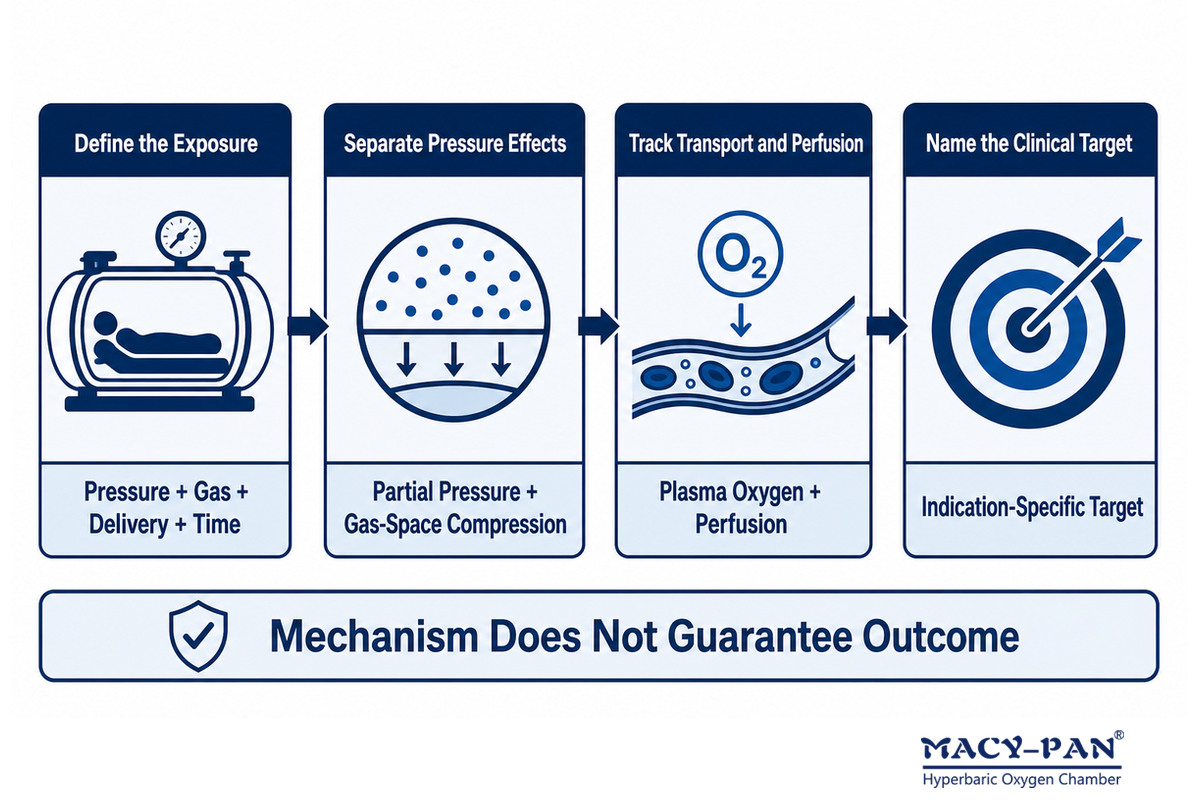
In concrete terms, how does hyperbaric oxygen therapy operate? This can be answered by following four steps and naming their checkpoints. First, the exposure must be articulated. Second, the changes that may be caused by the application of pressure must be analyzed. Third, the blood flow and the concentration of oxygen must be analyzed separately. Fourth, the primarily operative mechanism of the system must be linked to a specific indication. Unlike the other steps in this process, the last step doesn’t guarantee a single outcome. The practical risk is a claim that skips one checkpoint, because the same pressure number leaves oxygen dose, indication, and outcome unspecified.
- Record chamber pressure, breathing gas, delivery method, and exposure time.
- Identify pressure’s two jobs. It raises oxygen partial pressure and compresses enclosed gas spaces.
- Track transport and perfusion. More oxygen can dissolve in plasma, while hyperoxia may also constrict some blood vessels.
- Name the indication-specific target. Bubble disorders, carbon monoxide poisoning, hypoxic wounds, and repeated-session research do not share one complete causal pathway.
The scientific basis includes both elevated inspired oxygen partial pressure and hydrostatic pressure. A peer-reviewed review describes bubble compression as directly relevant to gas embolism and decompression sickness, while reactive oxygen and nitrogen species participate in signaling for many non-bubble conditions. The mechanism review indexed by PubMed supports this branched model.
This helps you determine how to read a claim. The claim “raises oxygen” is incomplete. The complete claim requires a physical or biological target, the exposure that caused it, and confirmation that the outcome was measured under the same conditions. Pulse oximetry also doesn’t answer the complete question. It only measures the saturation of hemoglobin and doesn’t determine the total volume of oxygen dissolved in plasma or transported to a tissue.
Why Pressure Changes Oxygen Behavior in Hyperbaric Medicine
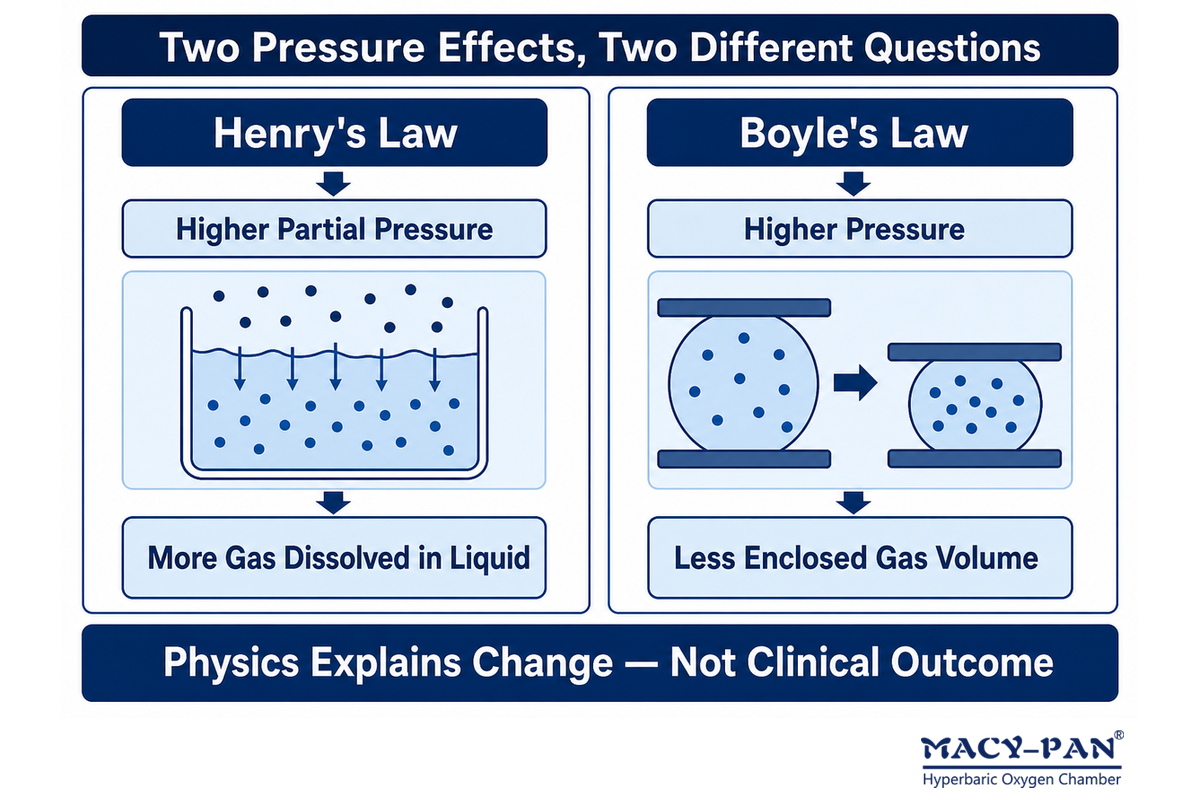
Pressure acts in two separate ways during HBOT. It increases the oxygen partial pressure that drives gas into solution, and it changes the volume of gas in bubbles or body spaces. Henry’s law explains the first effect; Boyle’s law explains the second. Neither law predicts a clinical outcome by itself. The common mistake is treating gas laws as a treatment guarantee, because patient risk and benefit depend on a complete medical protocol.
Henry’s law: more gas can dissolve in liquid
Under normal atmospheric pressure, almost all the oxygen in the blood is bound to hemoglobin and a small portion is dissolved in the blood plasma. Breathing a high oxygen concentration under higher ambient pressure increases oxygen partial pressure. Henry’s law describes how more gas can dissolve in a liquid as its partial pressure rises; plasma and other body fluids can therefore carry more dissolved oxygen. NCBI’s hyperbaric physiology chapter describes the gas-law relationship.
Boyle’s law: pressure changes gas volume
Boyle’s Law describes that an increase in pressure is associated with a decrease in the volume of gas at a constant temperature. An increase in pressure leads to a decrease in the volume of enclosed gas. This can be of therapeutic value in cases where gas bubbles are obstructing normal circulation. It also explains why changes in pressure have negative effects on the middle ear, sinuses, lungs, and other gas containing cavities.
Describing the process as “higher pressure means more oxygen” oversimplifies it. Higher pressure can increase dissolved oxygen. Increasing ATA isn’t an automatic improvement in treatment quality or an individual dosing recommendation.
Normal air offers a useful comparison because it contains around 21% oxygen at normal atmospheric pressure. As one can breathe in pure oxygen at normal air pressure, people can increase oxygen levels, but they don’t achieve the combination of increased pressure and oxygen used in a clinical hyperbaric setting. This is the reason for the difference that “extra oxygen” and “hbot” can’t be the same thing.
How Hyperbaric Oxygen Therapy Increases Oxygen Beyond Red Blood Cells
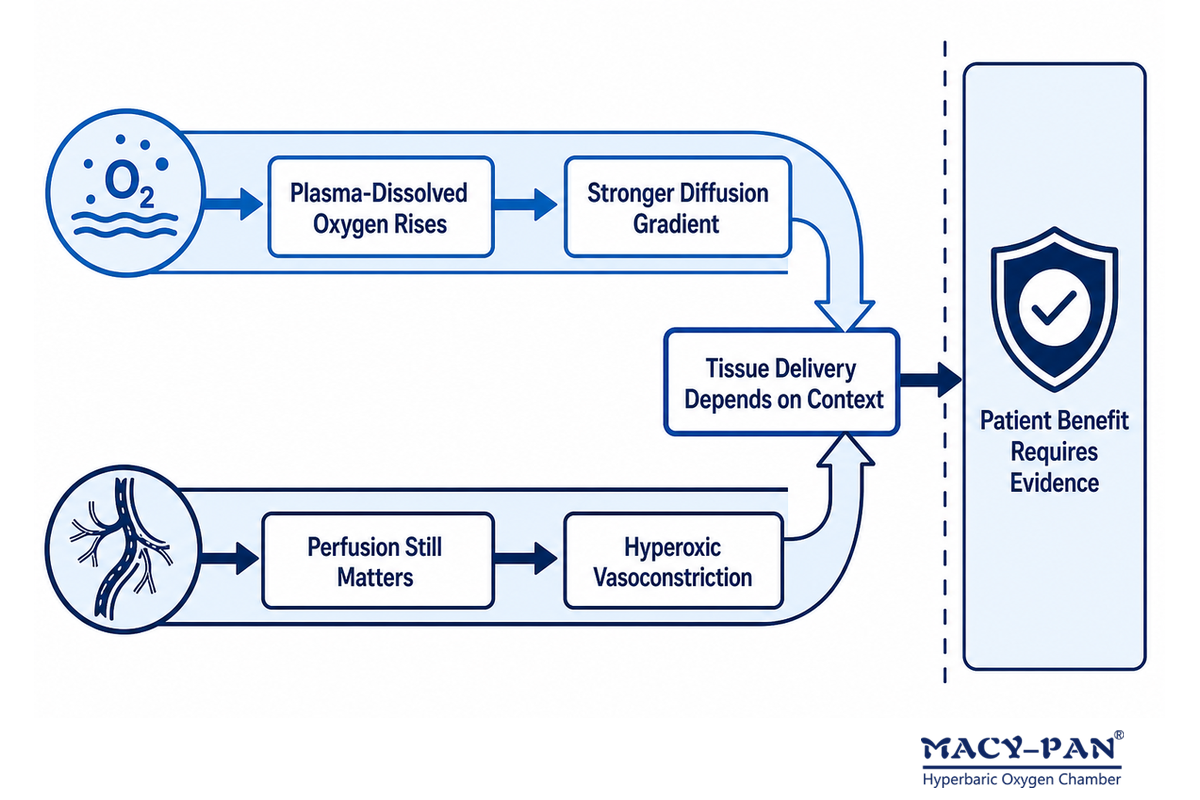
Additional oxygen during HBOT doesn’t require more empty seats on hemoglobin. This is one way HBOT carries additional oxygen to the body, but increased oxygen levels alone don’t prove tissue recovery. An increase in pressure concentrates more oxygen in the plasma. That dissolved oxygen has the potential to create a gradient that reaches more areas of the body where normal transportation of oxygen is impeded, limited, or slow.
That stronger gradient is a transport mechanism, not proof of recovery. Confusing oxygen delivery with tissue recovery is the risk, because perfusion, edema, infection, and viable cells still limit some medical applications.
Diffusion has its limits. Blood has to reach the area and the microcirculation has to be functioning normally, and the cells have to be healthy enough and able to use the delivered oxygen. Not all tissues that are scarred, infected, swollen, ischemic, or damaged behave the same, and the timing of the treatment is just as important as the chamber label.
There’s also an important counterweight: hyperoxia can cause vasoconstriction. NCBI’s current pharmacology review describes how oxygen content may rise even while blood flow falls in some vascular beds. In selected situations, that combination may reduce edema while maintaining or increasing oxygen delivery. In susceptible patients, however, increased systemic vascular resistance and afterload can matter clinically. NCBI’s review of hyperbaric gas effects is the source for this content-versus-flow distinction.
Chronic wound care shows the importance of the full pathway. For damaged tissue, oxygen to heal is one part of standard wound care rather than the whole pathway. Wounds need oxygen, but higher systemic oxygen levels alone don’t guarantee delivery to the injury. In selected patients, improved tissue oxygenation may support white blood cells and processes associated with wound healing and new blood vessels. HBOT may be one adjunct for specific indications; it doesn’t replace debridement, infection control, vascular assessment, glucose management, or a coordinated wound-care plan.
A better mental model
- Oxygen content isn’t the same as hemoglobin saturation.
- Oxygen content isn’t the same as blood flow.
- A larger diffusion gradient isn’t the same as a proven patient benefit.
Immediate Effects Versus Repeated-Session Signals
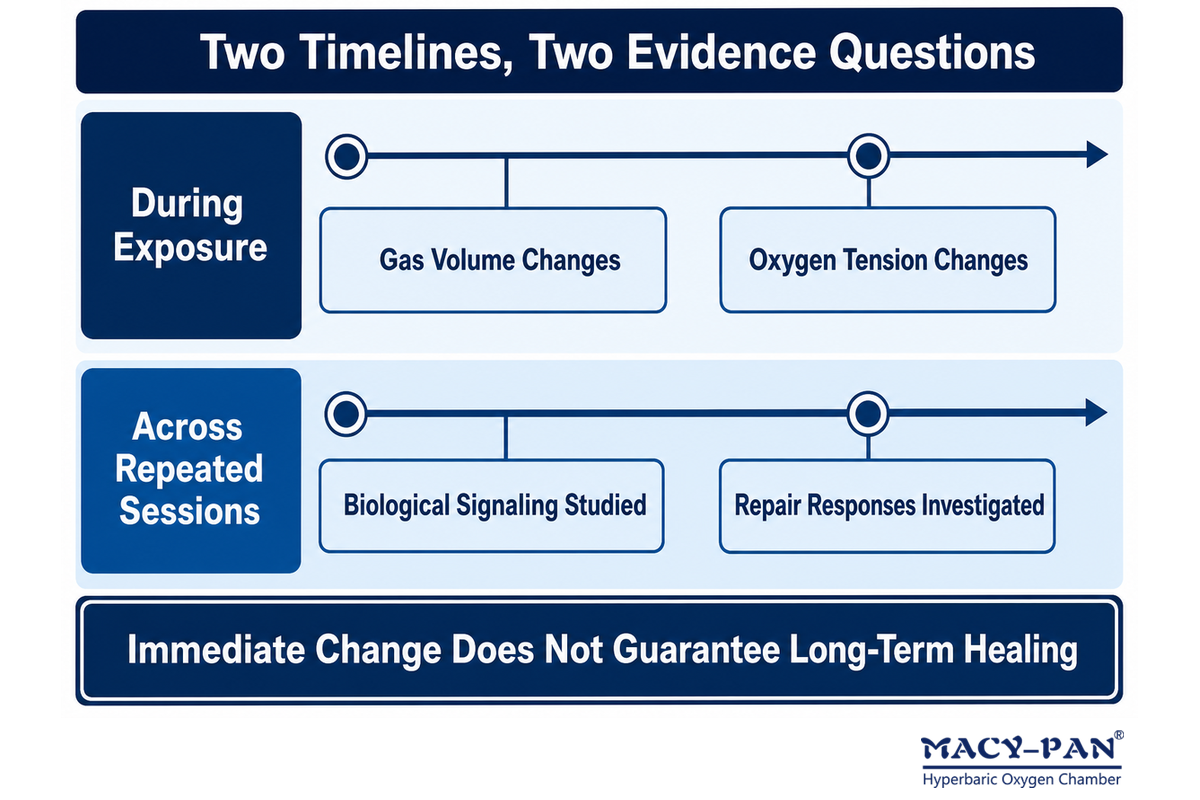
Some HBOT effects occur during pressure and oxygen exposure. Others are biological responses studied after repeated sessions. Keeping those time horizons separate prevents a rapid oxygen-tension change from being mistaken for guaranteed long-term healing, new-vessel growth, or an anti-aging result.
| Time horizon | What may change | What it does not prove |
|---|---|---|
| During compression | Gas volume decreases; inspired oxygen partial pressure rises. | That a higher pressure is appropriate for a particular patient. |
| During oxygen exposure | Dissolved oxygen and tissue gradients increase; vascular and immune responses may change. | That every oxygen-starved condition will respond. |
| Across repeated sessions | Researchers study redox signaling, growth factors, angiogenesis, and repair-related responses. | A universal schedule or a proven anti-aging outcome. |
Reactive oxygen species (ROS) shouldn’t be considered evil and regeneration shouldn’t be promised. In the absence of adverse effects, they may act as signaling molecules, and in ROS excess, they may contribute to an unacceptable level of toxicity, which would negatively impact the treatment response. The treatment window is a dosing decision. Pressure, oxygen fraction, time, breaks, number of treatments and the patient’s response are factors that influence the benefit to risk ratio.
The side-effect review makes the same point from another angle: pressure and hyperoxia can support treatment, but the same forces may also produce barotrauma and oxygen-related adverse effects. The peer-reviewed review calls for better quantification of benefit and risk across exposure conditions.
What Happens During a Typical Hyperbaric Oxygen Treatment Session
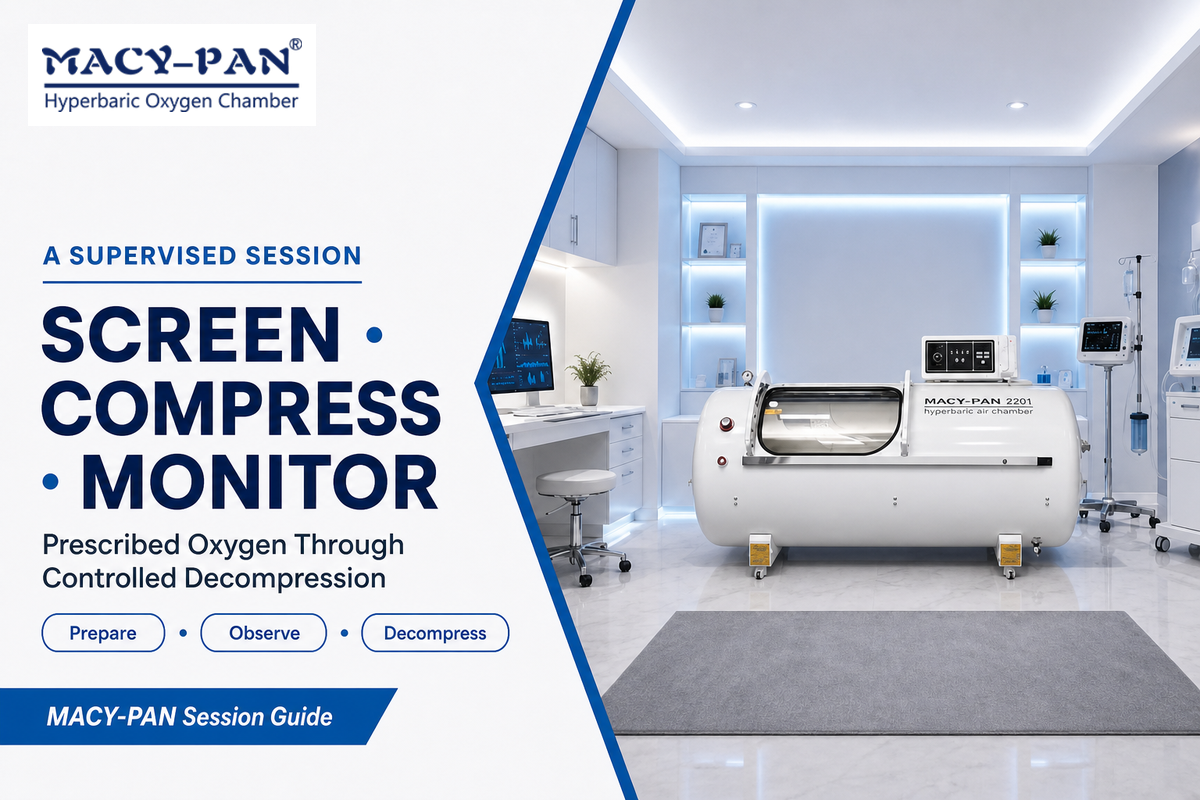
A session usually consists of preparation, compression, prescribed exposure to oxygen, monitoring, and decompression. The exact pressure and duration vary depending on what is being treated, the institution, and local guidelines. UHMS describes many supported clinical treatments as using medical-grade oxygen in a compliant chamber, often around 1.9 to 3.0 ATA and commonly 90 to 120 minutes, but those ranges aren’t a DIY schedule. Those ranges are orientation, not a do-it-yourself schedule.
- Screening and preparation. The team reviews the indication, lung and ear risks, the types of relevant medications, glucose concerns, clothing and personal effects, as well as items that could generate a fire or static issue.
- Compression. A gradual rise in pressure in a chamber system may result in an individual feeling pressure in their ears that’s similar to the pressure an individual may feel when a plane is beginning its descent. Staff coaching helps to relieve the pressure in the ears.
- Prescribed oxygen exposure. A Monoplace chamber may be pressurized with oxygen; a multiplace chamber may be pressurized with air while a subject is provided with oxygen through a mask or hood. The specific breathing gas and the method of delivery require specification.
- Monitoring. Equipped staff monitor the patient and equipment. Protocols may require breaks and may divide oxygen administration into multiple segments.
- Decompression. The pressure is reduced to normal and decompression is controlled. Expanding gas spaces may create health and safety concerns if decompression isn’t controlled.
Mayo Clinic provides easy-to-understand information about patient preparation, chamber options, monitoring, and common pressure sensations. Its patient guide can help explain a session, while the treating facility’s individual protocol remains authoritative.
Our guide to what a hyperbaric chamber does gives the hardware context; different hyperbaric oxygen chambers can deliver a prescribed exposure in different ways. A monoplace chamber may be filled with oxygen, while a multiplace chamber may be pressurized with air and deliver oxygen through a mask or hood. The use of HBOT, sometimes labeled “HBO therapy”, must be described by pressure, gas source, delivery interface, monitoring, and indication, not by chamber appearance alone.
Clinical HBOT and Mild Chambers Are Not Interchangeable
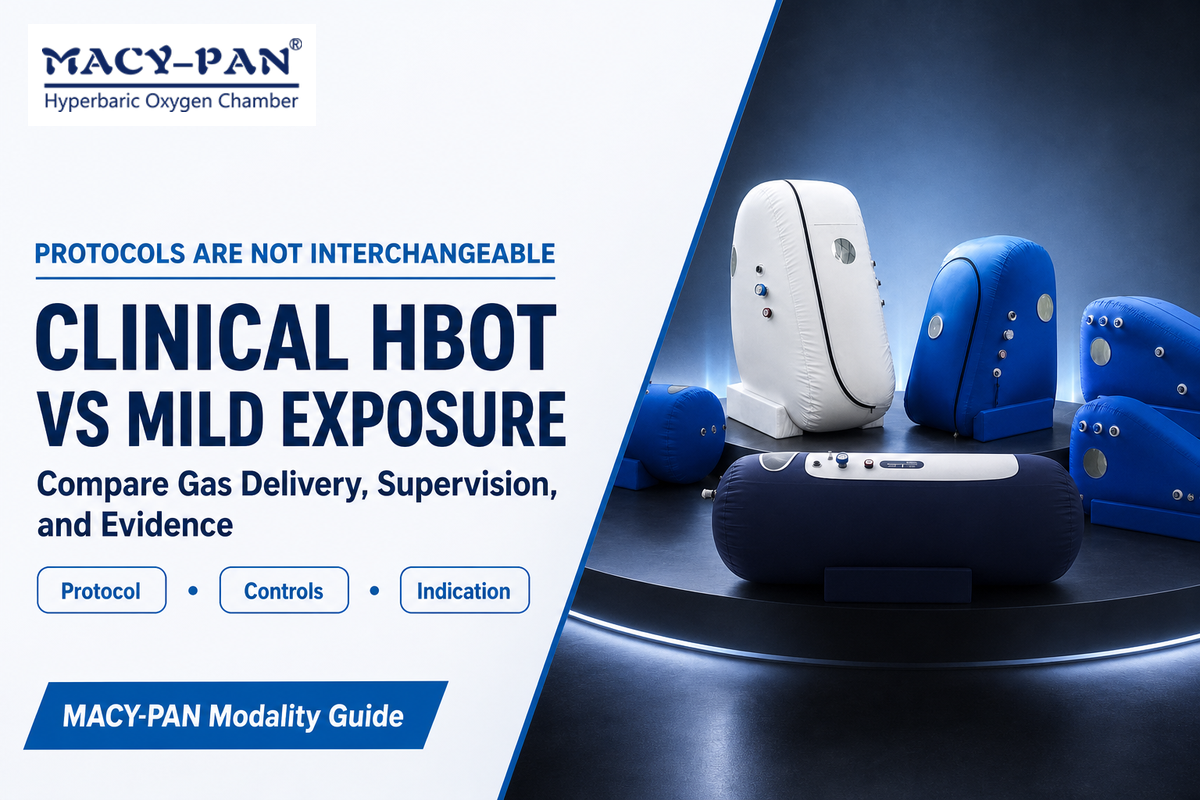
A pressurized enclosure isn’t enough to establish clinical equivalence between hyperbaric chamber solutions. Protocol mismatch is the central risk: pressure alone leaves a device’s certification, instructions, oxygen-delivery method, and supervision unverified. Compare chamber construction, pressure categories, the hyperbaric environment, breathing-gas composition, oxygen delivery, prescription, supervision, safety standards, indication, and outcome data. “1.3 ATA,” or “soft chambers,” or even “oxygen concentrators,” describe a part of an exposure, not the whole.
Clinical HBOT in the cited UHMS definition
- Physician-prescribed and medically supervised
- High-concentration medical oxygen
- Hard-sided, code-compliant chamber
- Protocol tied to an indication and monitored outcome
- Facility and device controls for pressure and oxygen hazards
Mild or low-pressure commercial exposure
- Often below the pressure used in supported clinical protocols
- May use air or lower-concentration oxygen delivery
- May use a fabric chamber with different clearance and construction limits
- Frequently promoted for broader wellness goals
- Cannot borrow evidence from a different pressure, gas, chamber, or indication
UHMS’s public definition describes supported clinical treatments as physician-prescribed and supervised in standards-compliant chambers with medical-grade oxygen. Its page calls exposures below 1.5 ATA “mild” and unproven for the medical claims often promoted around them. Read the UHMS definition and indication boundaries.
The older but still relevant UHMS position statement is more specific about low-pressure fabric chambers: it says devices operating below 1.4 ATA were cleared for acute mountain sickness and designed for air, not supplemental oxygen. The position statement shouldn’t be generalized to every device, but it shows why a chamber label can’t replace its instructions, clearance, and protocol.
Evidence based on a given protocol can’t be transferred if changes are made to the pressure, oxygen fraction, mask seal, chamber type, exposure time, session count, supervision, population, or outcome. Evidence can’t be transferred just because both interventions are called “hyperbaric.”
Safety, Contraindications, and Device Controls
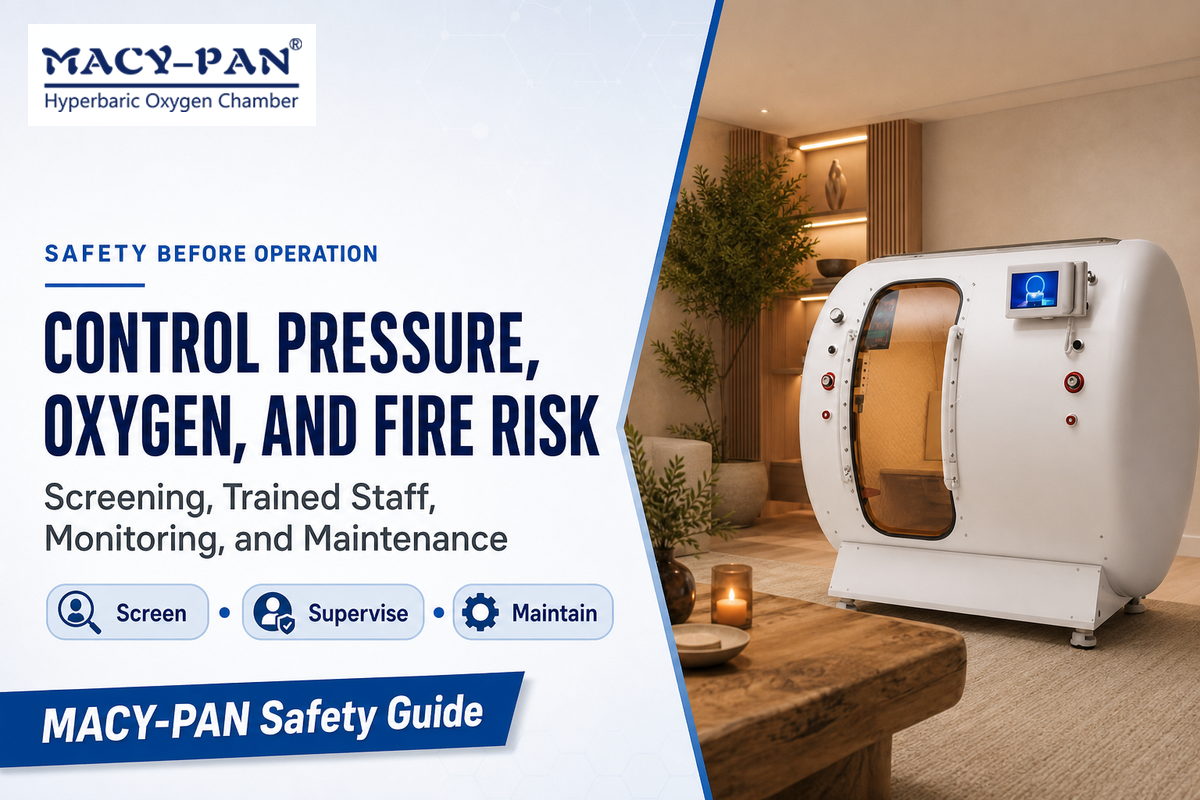
HBOT is noninvasive, but it isn’t risk-free. Pressure can injure gas-containing spaces, high oxygen exposure can cause toxicity, and an oxygen-rich environment heightens fire consequences. Safe use requires screening, adequate supervision, and control of the dose.
Pressure and oxygen effects
Ear and sinus barotrauma are familiar concerns because pressure must equalize across closed spaces. Temporary vision changes and claustrophobia may occur. Visual changes, phobias, and panic may occur, and oxygen toxicity of the central nervous system may result in seizures, although serious sequelae are rare in proper clinical use. Lung disease, air trapping, fever, glucose control, seizure risk, medications, and various other factors may affect the overall clinical assessment.
Untreated pneumothorax is widely treated as the absolute contraindication because trapped pleural gas can expand during decompression. Other contraindications are relative rather than a single, universal prohibition. Previous radiation therapy may be relevant to both the reason clinicians consider HBOT for delayed tissue injury and the patient’s broader history. The current NCBI contraindications chapter supports individualized specialist review.
The 2025 FDA device-fire reminder
On August 25, 2025, the FDA reported awareness of HBOT device fires that caused serious injuries and deaths. The agency said the root cause of those events was not known and that serious adverse events appeared rare, but could occur. Its recommendations include following the manufacturer’s instructions, fire prevention, grounding, staff training, continuous supervision, cleaning, maintenance, safety checks, and control of incompatible items and clothing.
“Be aware that there is a heightened risk of fire with use of oxygen at a high concentration.”
U.S. Food and Drug Administration, 2025 safety communication
A device’s FDA 510(k) clearance and its safe operating instructions are separate from proof that a promoted wellness outcome works. The FDA letter identifies HBOT chambers as Class II medical devices and points users to Product Code CBF, but that does not approve every claim placed next to a chamber.
| Control category | Question to verify | Why it matters |
|---|---|---|
| 1. Clinical screening | Were lung, ear, medicine, seizure, glucose, and device factors reviewed? | Patient-specific risks can change the decision or protocol. |
| 2. Oxygen source | Is the source, concentration, and delivery route documented? | Normal air is about 21% oxygen; prescribed delivery may approach 100% oxygen. |
| 3. Pressure profile | Are treatment pressure and compression/decompression steps stated? | Pressure changes gas volume, oxygen dose, and barotrauma risk. |
| 4. Exposure time | Is time at pressure recorded rather than only total room time? | A 90 min exposure and a 120 min exposure are not the same dose. |
| 5. Compatible items | Have clothing and every chamber item passed the facility check? | Ignition control is critical around high oxygen concentrations. |
| 6. Grounding | Are equipment and the patient grounded as instructions require? | Static control is part of fire prevention. |
| 7. Maintenance | Are cleaning, service, and safety checks current? | Clearance does not replace device upkeep. |
| 8. Continuous monitoring | Can trained staff see, hear, and respond throughout treatment? | Early symptoms require prompt assessment. |
| 9. Emergency readiness | Are stop, decompression, fire, and medical response procedures ready? | A safe system plans for low-frequency, high-consequence events. |
HBOT is often considered safe when appropriately prescribed and operated, but that never means risk-free. The benefits and risks of using hbot vary with each person and the exposure. Excess oxygen can contribute to oxygen poisoning, pressure errors can cause tissue damage, and device compatibility and fire control add a separate safety dimension.
Where Mechanism Ends and Evidence Begins
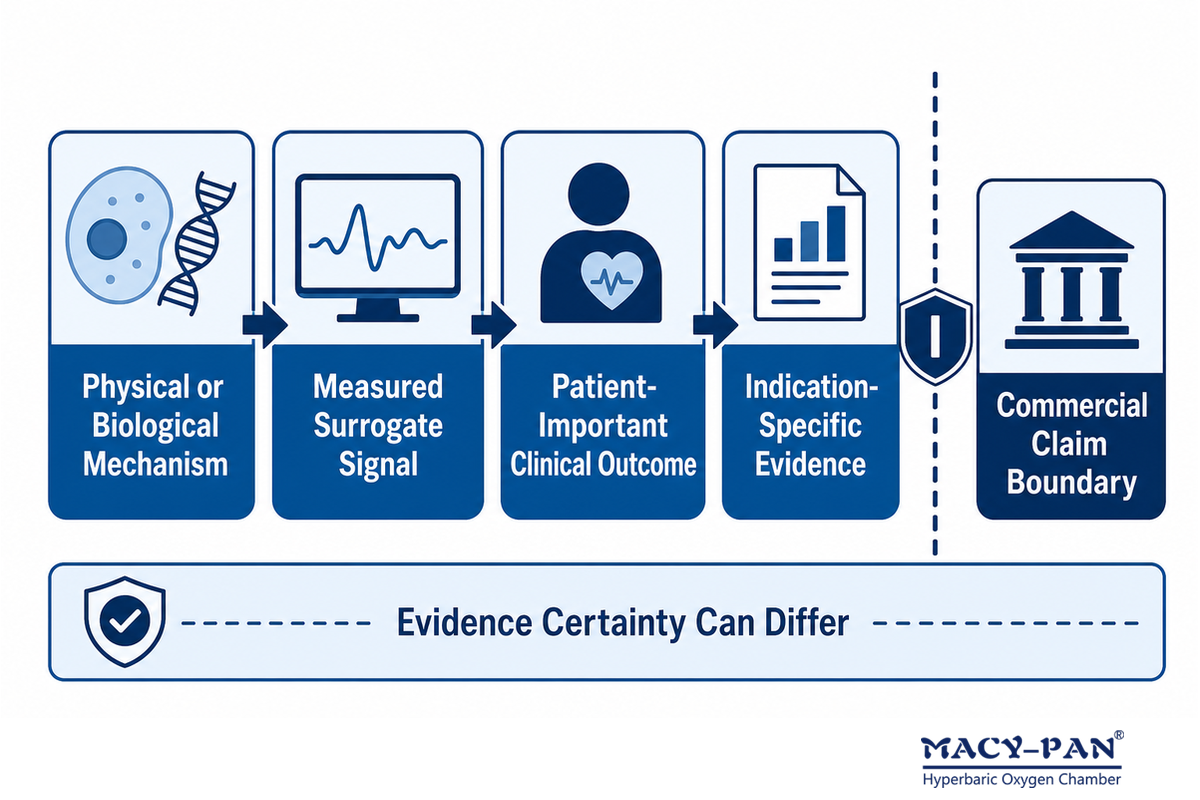
Mechanistic reasoning answers “what changes in the body?” Overclaiming becomes a risk because a surrogate signal and a patient-important outcome can move differently even under the same medical exposure. Clinical evidence asks “does that change improve an outcome that matters for this population?” Those questions overlap, but they aren’t identical.
There can be changes to oxygen levels, growth factors, telomere length, collagen density, or an image that can be a valuable finding, even if it cannot show that an intervention reverses the process of aging or improves functional capacity.
This is especially important for beauty and anti-aging claims. The cited review of HBOT and aging describes promising findings but also notes small or preclinical evidence, heterogeneous exposure conditions, incomplete understanding of skin-aging effects, and unresolved dose-response questions. The aging review supports cautious research language, not a claim that HBOT is an established anti-aging treatment.
The company’s beauty and anti-aging hyperbaric chamber solutions page is useful if you’re comparing commercial chamber formats and application positioning. It’s a first-party product route, however, not independent proof of efficacy. Any study cited there still needs to be evaluated by population, chamber pressure, oxygen delivery, session schedule, comparator, and patient-important outcome.
Not all medical conditions have equal certainty in their recognized indications. An umbrella review using the GRADE framework found that evidence for HBOT indications ranged from high to very low quality because of bias and imprecision. Evidence quality reviews like this will remind you that “listed,” “cleared,” “standard of care,” and “proven to the same degree” aren’t synonyms.
Pay attention to the verb when a page says hyperbaric oxygen therapy treats a certain condition. Hyperbaric oxygen therapy is used by clinicians only after they match a patient and an indication to a specific protocol. There are also indication-specific benefits of hbot, and a plausible mechanism does not, by itself, establish HBOT as a proven treatment. Wanting to get more oxygen is not enough; clinicians still need a matching patient, indication, and protocol. When reviewing benefits of hyperbaric oxygen therapy, determine whether the source describes an accepted adjunctive use, early research, a surrogate marker, or a commercial hypothesis.
Key takeaway: Hyperbaric oxygen therapy can have a sound physical mechanism and accepted uses without validating every commercial claim. Match the exact exposure and indication to the outcome evidence before drawing a conclusion.
The Seven Fields Every HBOT Claim Should State
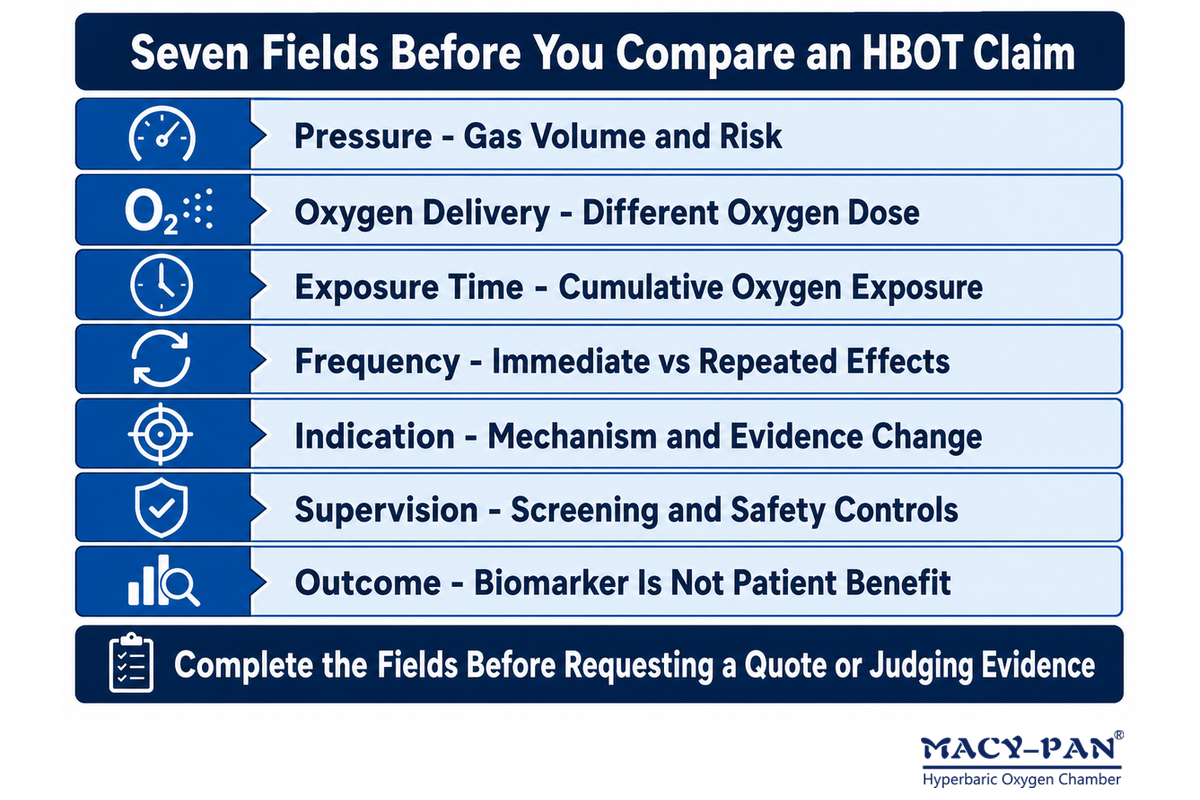
You cannot compare two HBOT claims fairly until both disclose the same seven fields. This checklist is an editorial decision tool built from the variables repeatedly required by FDA, UHMS, clinical reviews, and study reports. This checklist is not a substitute for a prescription or a universal protocol.
| Field | What to record | Why it changes interpretation |
|---|---|---|
| 1. Pressure | ATA and compression/decompression profile | Changes oxygen partial pressure, gas volume, and risk. |
| 2. Oxygen delivery | Gas concentration, chamber gas, mask or hood, and fit | The same ATA can produce a different oxygen dose. |
| 3. Exposure time | Time at treatment pressure and any air breaks | Duration changes cumulative oxygen exposure. |
| 4. Frequency | Sessions per week and total course | Immediate and repeated-exposure effects differ. |
| 5. Indication | The exact condition and disease stage | The dominant mechanism and evidence base change by condition. |
| 6. Supervision | Prescriber, trained staff, monitoring, and emergency capability | Screening and operational controls shape safety. |
| 7. Outcome | Symptom, healing, function, event, or surrogate endpoint | A biomarker change may not equal a patient-important benefit. |
Consider this incomplete decision statement: “two atmospheres improved collagen.” This omits so many other elements of the study, such as the method of oxygen delivery, exposure time, course length, the type of participants, the comparator, supervision, whether the study measured a biopsy marker, a visible skin change, an assessment of quality of life, or a clinically meaningful, long-lasting result. Filling in these elements reduces the level of uncertainty.
A 2023 systematic review of randomized trials suggests adverse events varied with pressure and course length. The studies were heterogeneous, so its thresholds shouldn’t be turned into a personal rule. The meta-analysis instead reinforces the broader point: safety is multidimensional, and a protocol label alone isn’t enough.
If you’re looking at a chamber for a clinic, distributor program, or commercial application, please fill in the seven fields before you ask for a quote. When the supplier sends a document, ask for the instructions for use, and details of the device for the delivery of oxygen, the applicable construction/facility standards, and the maintenance and the basis for the claim. Clinical staff should determine whether the proposed use and protocol are medically appropriate.
Discuss chamber Requirements →
Frequently Asked Questions
Does hyperbaric oxygen therapy actually work?
For recognized indications, hyperbaric oxygen therapy has accepted medical uses and the therapy can help when the patient, protocol, comparator, and outcome match the evidence; mechanism alone doesn’t validate every marketed claim.
Pressure can compress pathological gas bubbles, increase dissolved oxygen, speed selected gas elimination or dissociation, and affect signaling. Those mechanisms support several recognized uses, but they do not validate every marketed claim. Evidence certainty also differs among accepted indications. To decide whether HBOT works, name the condition, exact exposure, comparison, and patient-important outcome, then check whether those elements match the study or clinical guideline being cited. A mechanism alone cannot answer all four questions.
What is the downside of hyperbaric oxygen therapy?
Side effects include pressure injuries, temporary visual effects, claustrophobia, oxygen toxicity, and device-related fire hazards; likelihood depends on pressure, dose, patient factors, equipment, and supervision.
Risk depends on pressure, oxygen exposure, decompression, session count, health status, equipment, and supervision. Ear and sinus problems are common concerns; oxygen-related seizures are less common. FDA’s 2025 warning also emphasizes grounding, compatible items, cleaning, maintenance, staff training, continuous monitoring, and adherence to manufacturer instructions. Screening matters because lung air trapping, selected medicines, glucose changes, implanted devices, and an inability to equalize pressure may change the plan. This is why risk cannot be summarized by a chamber model or pressure number alone.
What does HBOT do to the brain?
HBOT raises blood oxygen content and can alter cerebral blood flow, tissue oxygenation, edema, and cellular signaling; the net effect varies by condition, protocol, and underlying circulation.
The net effect depends on the condition and protocol. Carbon monoxide poisoning is not evidence that the same exposure treats stroke, concussion, dementia, or healthy-brain enhancement. Hyperoxic vasoconstriction may reduce cerebral blood flow even while oxygen in the blood rises, so brain claims require condition-specific outcomes, suitable comparators, and safety review.
How long does hyperbaric oxygen therapy last, and when might it work?
HBOT has no universal countdown because immediate physical effects and repeated-session biological responses follow different timelines; the relevant schedule depends on the indication, dose, response, and clinical protocol.
Gas-volume and oxygen-tension changes begin during exposure. Repair-related responses may require a prescribed course; emergencies may use another schedule. Timing must follow the indication and clinical protocol.
Who should not do hyperbaric oxygen therapy?
People with untreated pneumothorax should not undergo HBOT; other risks require individualized specialist screening of lung, ear, medication, glucose, device, and other patient-specific health factors.
Lung air trapping, ear-pressure difficulty, fever, seizure risk, glucose issues, pregnancy, implanted devices, and selected medicines may alter the decision. A trained team must review the patient and proposed exposure.
Why MACY-PAN Published This Mechanism Guide
Chamber buyers often receive a pressure number and a broad oxygen claim without the protocol details needed for a fair comparison. This guide separates chamber physics, oxygen transport, indication-specific mechanisms, and evidence limits so clinic and distribution teams can ask better technical questions. It doesn’t replace medical evaluation. Reviewed by the Shanghai Baobang Medical Equipment Co., Ltd technical team.
References & Sources
- Follow Instructions for Safe Use of Hyperbaric Oxygen Therapy Devices U.S. Food and Drug Administration
- Indications for Hyperbaric Oxygen Therapy Undersea and Hyperbaric Medical Society
- Low-Pressure Fabric Hyperbaric Chambers Position Statement Undersea and Hyperbaric Medical Society
- Hyperbaric Oxygen Therapy: Side Effects Defined and Quantified PubMed
- A General Overview on Hyperbaric Oxygen Therapy PubMed Central
- Hyperbaric Physics NCBI Bookshelf
- Hyperbaric Physiological and Pharmacological Effects of Gases NCBI Bookshelf
- Hyperbaric Oxygen Therapy Contraindications NCBI Bookshelf
- GRADE Assessment of Evidence for HBOT Indications PubMed
- Adverse Effects of Hyperbaric Oxygen Therapy: Systematic Review and Meta-analysis PubMed
- Hyperbaric Oxygen Therapy and Aging PubMed Central
- Hyperbaric Oxygen Therapy Mayo Clinic